



The Sacred Harmony of the "Tujuh Likur" Night in Maluku Islands
- 18 Mar 2026 09:53 WIB
- Voice of Indonesia
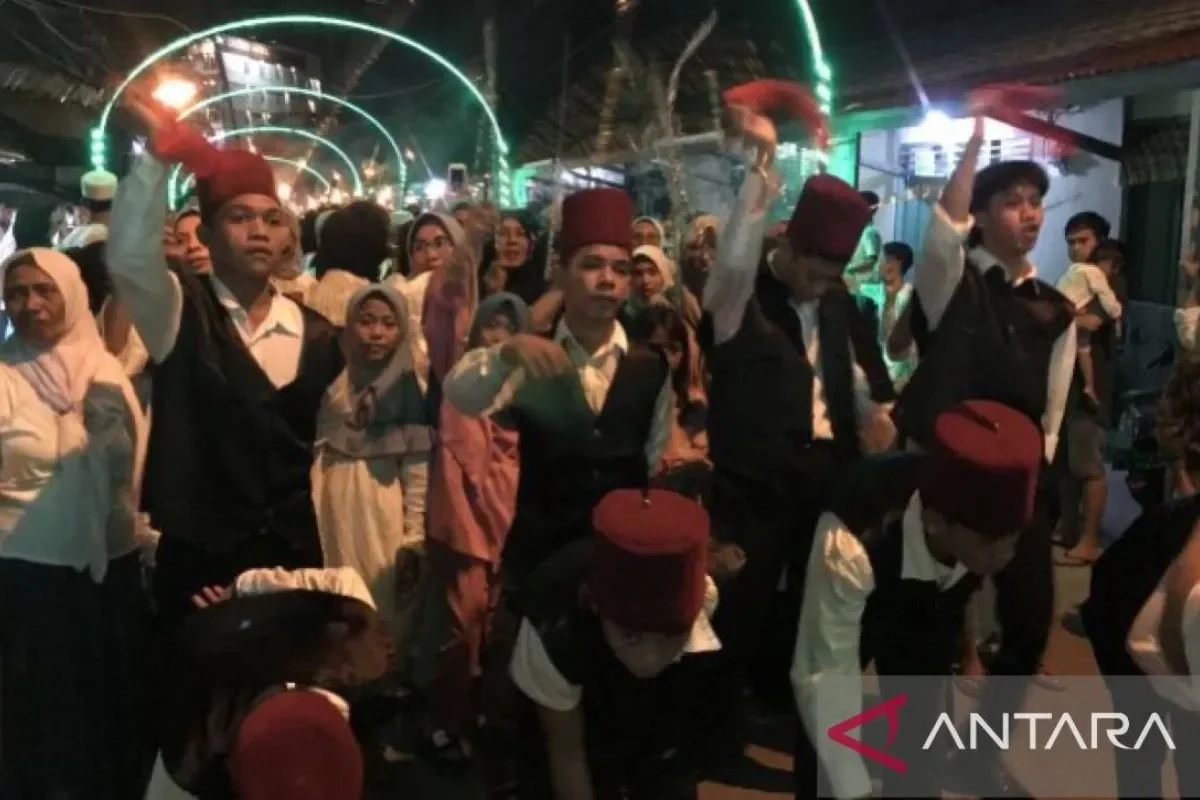
RRI.CO.ID, Ambon - As the 27th night of Ramadan descends upon the Maluku islands, the region transforms into a vibrant intersection of deep spiritual devotion and ancient ancestral heritage. Known locally as Malam Tujuh Likur, this sacred milestone is far more than a countdown to Eid al-Fitr, it is a living ritual that pulses through the "Land of the Thousand Islands."
From the historic streets of Ambon to the coastal villages of Leihitu, the night serves as a collective space where religious values and cultural legacy breathe in unison. Whether through the sharing of traditional trays or the glow of thousands of torches, the people of Maluku are proving that faith and tradition are not just compatible, they are inseparable.
In the Negeri Batu Merah of Ambon, the Antar Dulang tradition remains a cornerstone of the 27th night. Nine traditional clans, Lebeharia, Hatala, Masahoy, Lisaholet, Tahalua, Nurlete, Waliulu, Namang, and Hunsow, process through the village carrying ornate trays (dulang) filled with food and fruits. These offerings are brought to the An-Nur Mosque, the oldest in Ambon, to be shared as a communal feast.
The King of Batu Merah, Ali Hatala, emphasizes that the activity is a form of thanksgiving, where residents come bringing food to be enjoyed together as an expression of gratitude for the sustenance provided throughout the year. For the community, the sight of children joyfully scrambling for the treats on the trays is a rare glimpse of pure communal happiness that has become scarce in urban settings.
Further along the coast in the ancestral village of Wakal, the night is defined by a "festival of light." From dusk until dawn, hundreds of candles, oil lamps (pelita), and torches illuminate every corner, from private porches to the village cemetery. This tradition symbolizes the descent of the Quran as a guiding light for humanity.
Meanwhile, in the neighboring village of Morella, the night is celebrated as Malam Langansa. Here, the focus shifts to social welfare. Women deliver food collected from village leaders and the mosque's imam to be distributed specifically to orphans and the underprivileged. This act of charity is accompanied by Hadrat, soulful zikir chants performed to the rhythmic beat of the rebana.
This unique cultural tapestry has drawn praise from both regional and national leaders. Maluku Governor Hendrik Lewerissa and Religious Affairs Minister Nasaruddin have identified these traditions as a gold standard for religious moderation.
Minister Nasaruddin noted that these cultural practices that grow from the community, as seen in the 27th Ramadan tradition in Maluku, are clear examples of how religion and culture can walk hand-in-hand to create a harmonious life.
As Maluku continues to act as a "miniature Indonesia," these traditions of Malam Tujuh Likur serve as a spiritual and social foundation, ensuring that the diverse threads of the archipelago remain tightly woven for generations to come. ***
News Recomendation
Loading latest news.....