



Kartini Reads These 5 Books to Shape Her Modern Thinking
- 28 Feb 2026 09:45 WIB
- Voice of Indonesia
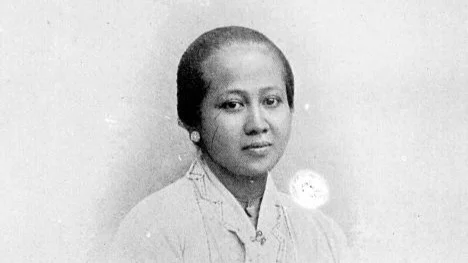
RRI.CO.ID, Jakarta – Raden Ajeng Kartini's passion for literacy was the key to her struggle for equality. Her interest in writing began with her love of collecting books.
“Three of the four shelves are filled with books.” This is how the National Hero described the contents of her bookcase in the book Jalan Literasi.
Kartini discovered the world through books given to her by her father and brother. In spite the restrictions placed on her, she broadened her horizons through strong reading skills. Her interest in reading flourished from a very young age. As written in Soeroto's biography, reading served as a gateway to a new world for her.
Kartini was known to be very careful and critical when choosing her reading material. She would set aside boring books and neatly store high-quality ones. She also had a unique habit of writing down new foreign words. She would later ask her brother about these words to better understand the language.
One work that greatly influenced her thinking was Max Havelaar by Multatuli. This book tells of the suffering of people under a cruel farming system. Kartini liked this work because of the author's courage in defending people's rights. Through this book, she understood how the Dutch government oppressed people in Indonesia.
In addition, she greatly admired the book Minnebrieven, also written by Multatuli. The book discusses the idea of fairness for women through a collection of clever letters.
Kartini wrote to her friend Stella Zeehandelaar that she had read it twice. "Today I read Multatuli's Minnebrieven (‘Love Letters’) for the second time. How brilliant he is," she wrote.
The book Hilda van Suylenburg also left a deep impression on Kartini. This story follows a young woman's struggle against unfair rules made only for men. She admitted to reading the book three times because she liked it so much. “Mrs. Goekoop's book is so beautifully written that I enjoyed reading it three times,” she said.
Kartini also admired the beautiful language in the novel Eline Vere by Louis Couperus. This book provides a deep look into how Dutch society lived at that time.
Finally, the book De Vrouw en het Socialisme became an important reference for her. This work by August Bebel provides a sharp look at the topics of progress and social change.
News Recomendation
Loading latest news.....