



The Cultural Significance and History of the Lion Dance in Indonesia
- 08 Feb 2026 12:51 WIB
- Voice of Indonesia
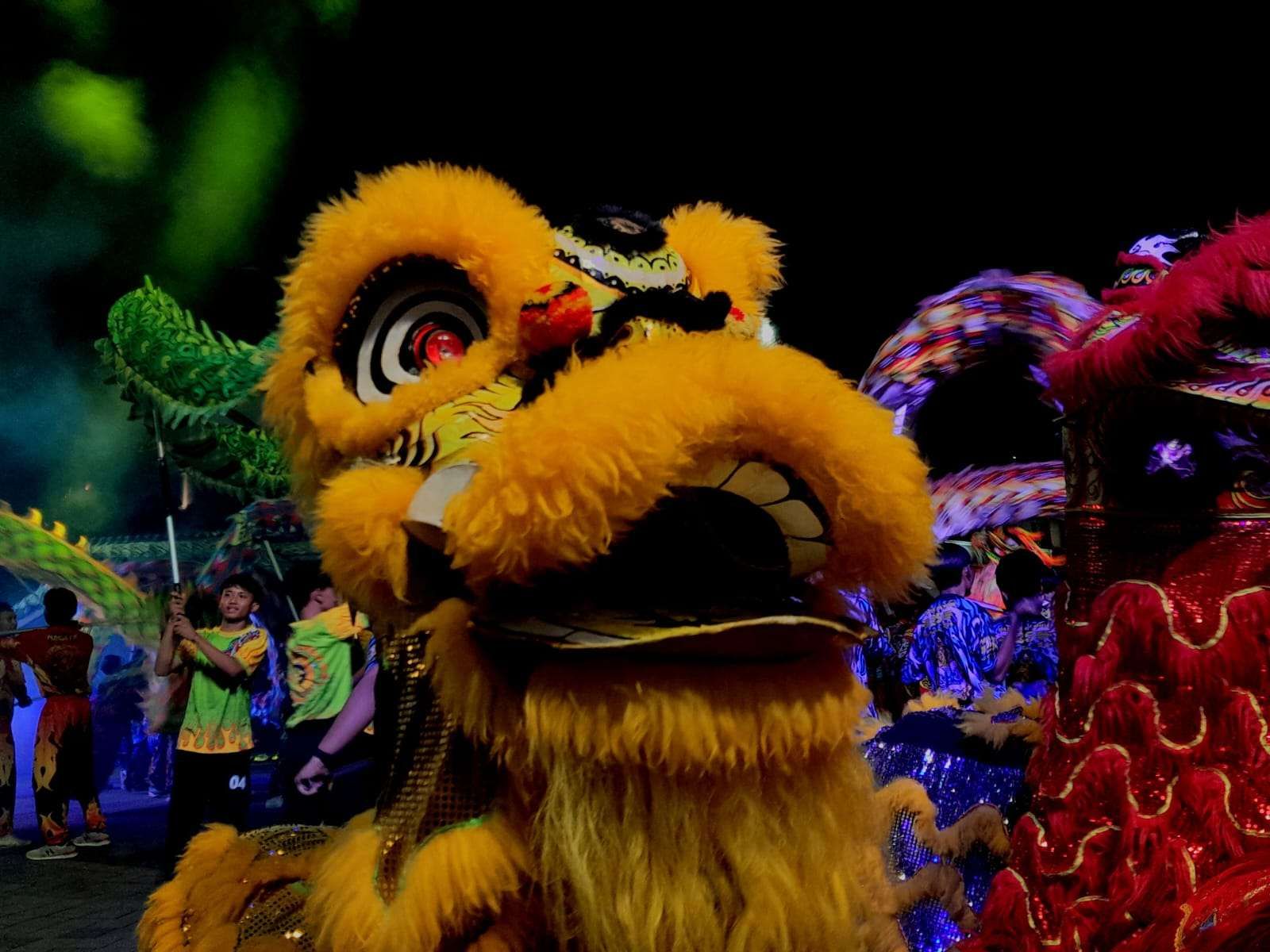
RRI.CO.ID, Jakarta - Barongsai is a traditional Chinese dance that is an essential part of every Lunar New Year celebration. This performance is characterized by vibrant lion costumes accompanied by the dynamic rhythms of traditional percussion instruments.
According to Indonesia Kaya, the lion dance is performed by two people inside a single lion costume. Its movements skillfully blend elements of dance, martial arts, and high-energy acrobatics.
Generally, Barongsai is divided into two types, which are the Northern Lion and the Southern Lion. The Northern Lion is distinguished by its thick fur, while the Southern Lion appears more agile and expressive.
In every performance, the lion often carries out the attraction of eating angpao (red envelopes) and vegetables. This tradition symbolizes prayers for good luck, prosperity, and safety.
Globally, the history of the lion dance is believed to have originated in China thousands of years ago. The dance emerged from a legend about a ferocious beast that was successfully driven away by loud noises and striking colors.
From the Han Dynasty to the Tang Dynasty, the lion dance evolved as a core part of religious rituals. These performances were believed to be capable of warding off evil spirits and bringing peace to the community.
Barongsai later spread to various Asian countries following the migration of the Chinese people. This tradition flourished in Vietnam, Malaysia, Singapore, and Indonesia, with each region developing its own unique characteristics.
The lion dance entered Indonesia through Chinese migration around the 17th century. The word Barongsai itself is derived from a combination of the Javanese word 'barong' and the Hokkien word 'sai,' both of which mean lion.
In the past, the lion dance was closely tied to religious ceremonies in temples, but its reach has now expanded significantly. Today, Barongsai is widely staged as public entertainment and has even become a competitive sport.
Previously, during the New Order era, there was a period where Chinese cultural expressions were restricted. However, Barongsai was revitalized after the Reformation era in 1998 and currently thrives within various communities across Indonesia.
Today, Barongsai does not only entertain but also serves as a cultural symbol studied by various ethnicities and the younger generation. This art form plays a vital role in strengthening the values of tolerance and cross-cultural togetherness within Indonesian society. (Diva Rifdah/Bambang MBKA)
News Recomendation
Loading latest news.....