



Explore Yogyakarta's Batik Museum Honoring Batik as a World Heritage
- 30 Jan 2026 12:21 WIB
- Voice of Indonesia
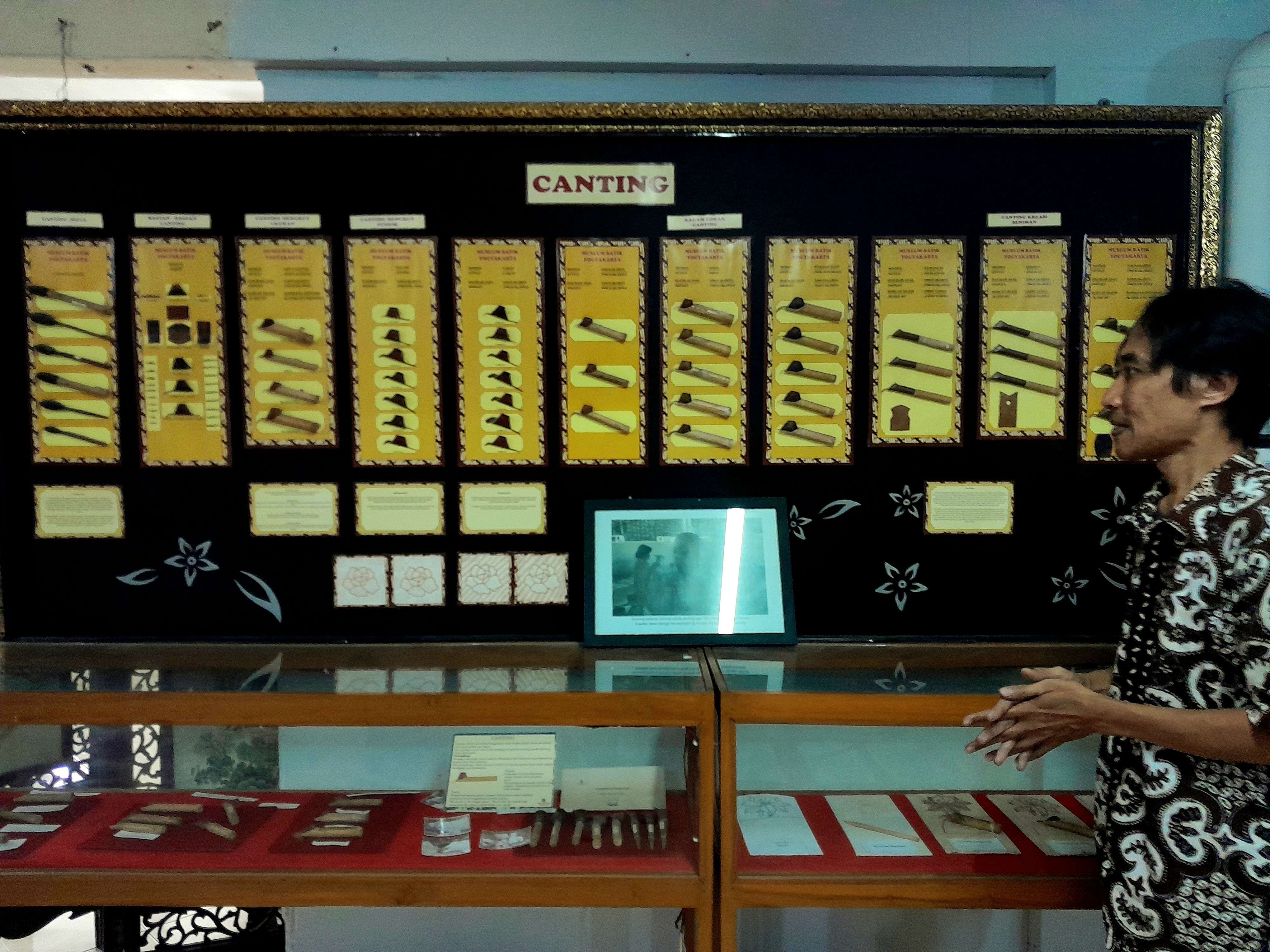
RRI.CO.ID, Yogyakarta – The Yogyakarta Batik Museum provides an educational experience that allows visitors to immerse themselves in the traditional art of the archipelago. The museum displays several batik collections, including palace batik and pieces influenced by Indian, Chinese, Japanese, Dutch, and Middle Eastern cultures.
Didik Wibowo, Deputy Manager of the museum, explained that it was founded in 1973 by Hadi Nugroho and Dewi Sukaningsih, a husband-and-wife team who were passionate about Indonesian batik and wanted to preserve batik culture. The museum located in Bausasran, Danurejan Subdistrict, Yogyakarta City, was inaugurated by the Yogyakarta Education and Culture Agency on May 12, 1979.
"At that time, Ibu Dewi was 47, and because of her love for Indonesian batik culture, she founded this batik museum. She wanted to preserve batik and educate the public and tourists," said Didik in January 2026.
The museum houses 1,200 batik pieces, including 500 hand-drawn cloths, 560 stamped cloths, 124 canting tools, and 35 pans used for batik. The museum displays a diverse collection of batik patterns, including Sinom, Semen, Gurdho, Yuyu Sekandang, Parang Kusuma, Satria Wibawa, Tambal, Cuwiri Ageng, and Ceplok, which were influenced by Indian chintz and Pekalongan batik.
In addition to batik, the museum displays kebaya encim in various colors and materials. Near the museum's exit are several collections of embroidered fabrics from 1947.
The kebaya encim is a traditional Betawi garment that resulted from the fusion of Chinese, Betawi, and European cultures. It is known for its V-shaped collar, tapered cut from the waist to the thigh, bright colors, and fine, festive embroidery.
In addition to batik, the museum showcases the storage method of Hadi Nugroho and Dewi Sukaningsih. The batik is neatly rolled to avoid prolonged folding, which can damage the fabric's fibers.
The museum attracts visitors from various backgrounds, including students, families, and groups of tourists, both domestic and international.
According to Didik, hands-on batik experiences enhance tourists' appreciation of Indonesian batik's art, philosophy, and cultural values, while encouraging the preservation of cultural heritage.
"One way we preserve batik is by hosting workshops and operating an art shop. We also collaborate with batik artisans who consign their products to the museum. There are indoor and garden cafes behind the museum, as well as the Yogyakarta Batik Museum Hotel," said Didik.
Entrance tickets start at IDR 30,000 for visitors of all ages. Batik workshops start at IDR 90,000, and the museum is open from 9 a.m. to 3 p.m. (Misni Parjiati/Bambang MBKA)
News Recomendation
Loading latest news.....