


Eight Unique Traditions of Welcoming Ramadan Across Indonesia
- 03 Mar 2025 13:14 WIB
- Voice of Indonesia
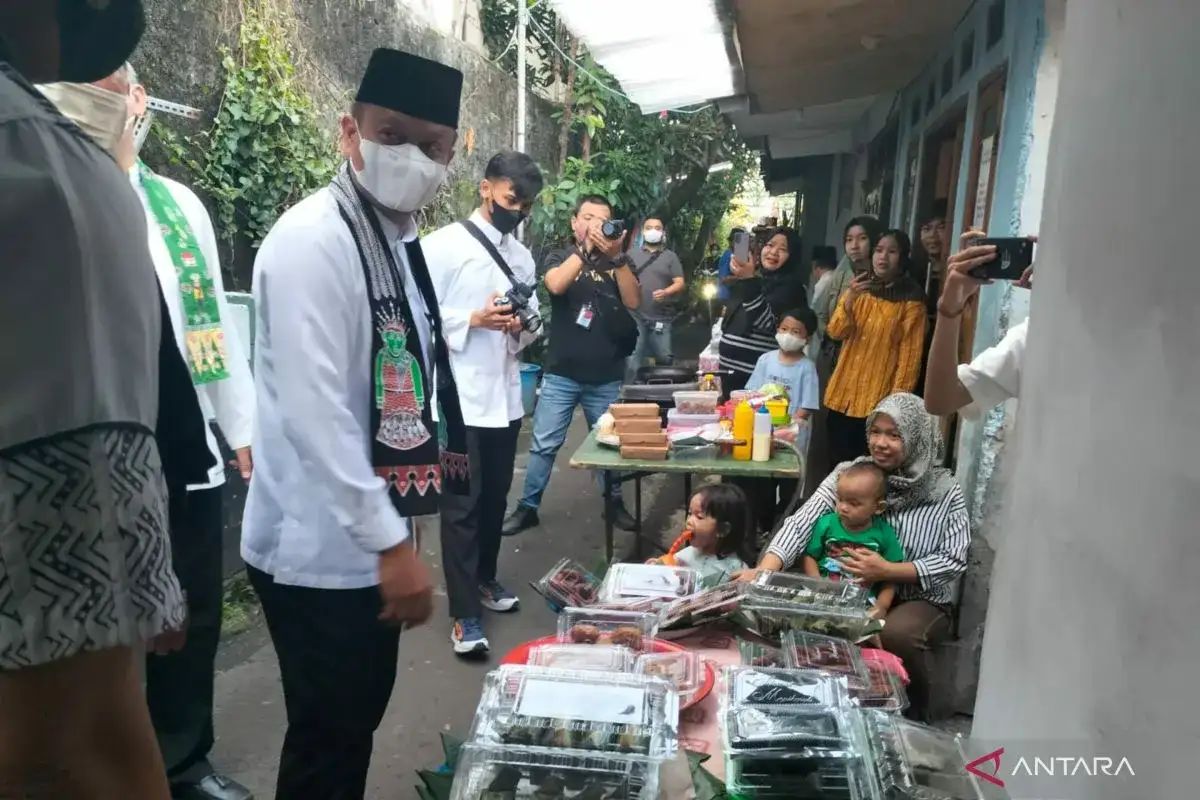
KBRN, Jakarta: Ramadan has arrived, and the predominantly Muslim Indonesian community welcomes it joyfully.
Each region in Indonesia has unique traditions to greet this holy month, passed down through generations as a form of cultural and customary preservation.
These traditions hold deep meanings, aiming to purify oneself, pray for one another, forgive, and strengthen bonds of kinship in welcoming the arrival of Ramadan
According to the Tourism and Creative Economy Ministry's official website, here are eight traditions of welcoming Ramadan in Indonesia that are full of joy and very meaningful:
Nyorog (Jakarta)
The Betawi people of Jakarta have many traditions that are still preserved today. One is 'Nyorog, the tradition of delivering food parcels to elderly family members or community leaders.
The Nyorog tradition is not necessarily about sending food alone. Instead, this tradition of welcoming Ramadan is done as a form of respect and friendship to strengthen the bonds of brotherhood between people.
Cucurak (West Java)
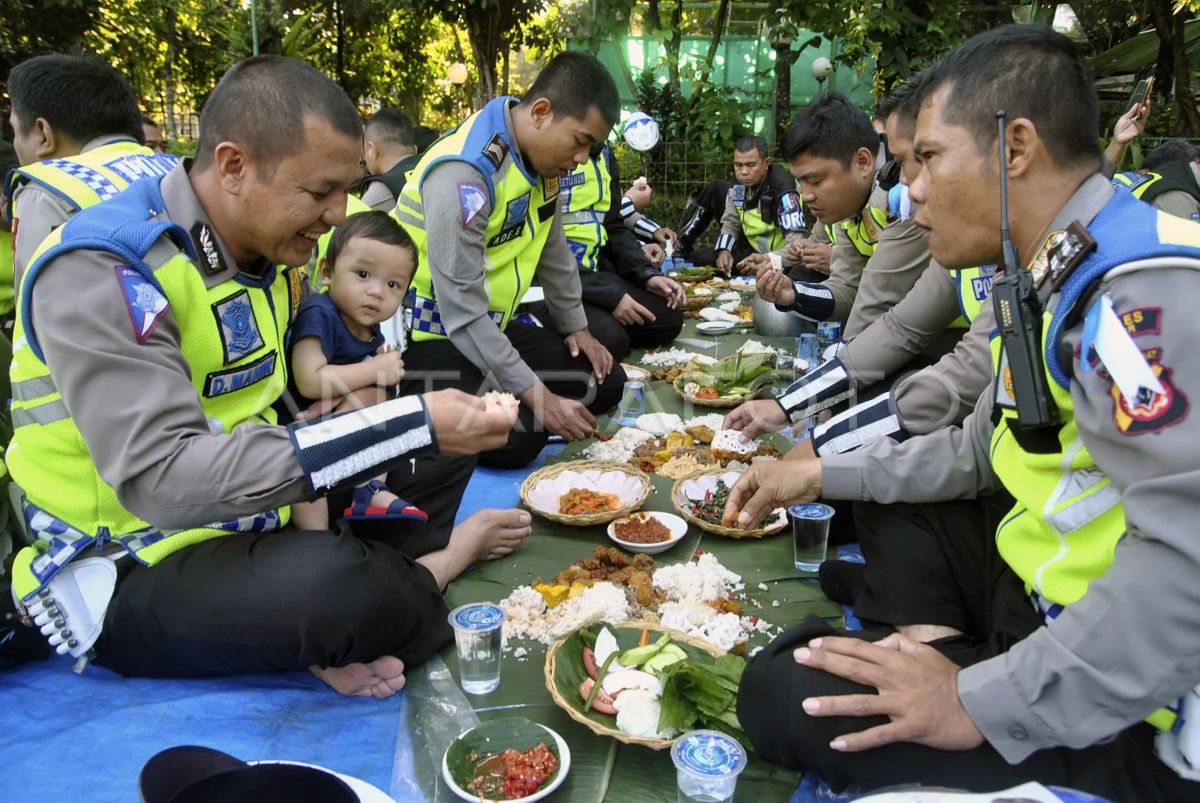
Archive photo - Members of the Bogor Police Traffic Unit shared a communal liwet rice meal during a 'Cucurak' tradition, a pre-Ramadan communal meal, as an expression of gratitude and strengthens camaraderie among the members of the Bogor Police Traffic Unit. (Photo: Antara/Arif Firmansyah/ama)
The 'Cucurak' tradition, which in Sundanese means to have fun and gather with extended family, marks the welcoming of the holy month of Ramadan.
Beyond simply gathering, the 'Cucurak' tradition typically involves a communal meal served on banana leaves while seated on the floor.
The menu features dishes such as liwet rice (Indonesian rice dish cooked in coconut milk, chicken broth, and spices), tempeh, salted fish, sambal, and fresh vegetables.
According to Sundanese beliefs, the 'Cucurak' tradition is not merely a gathering and meal. It also serves as a moment for strengthening kinship and an invitation to express gratitude for all the blessings bestowed by God.
Padusan (Java)
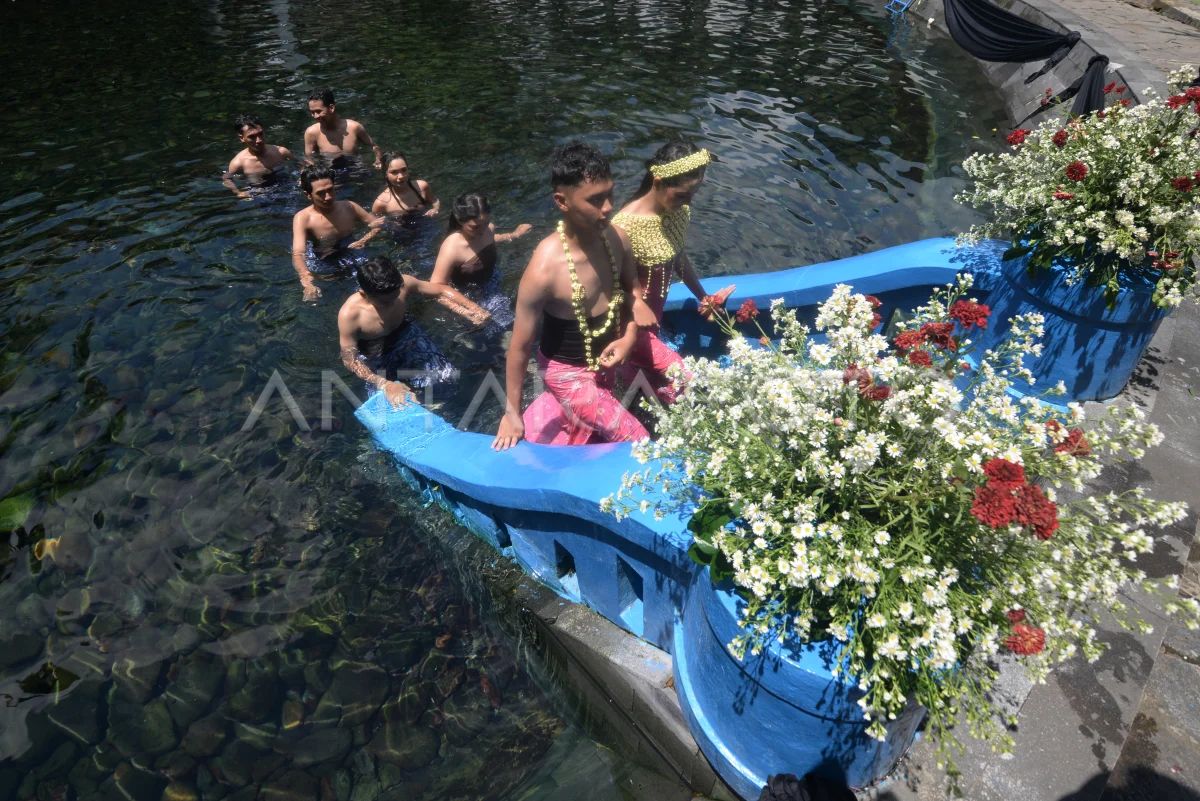
Male and female participants of the Mas and Mbak Boyolali pageant emerge from the pool during the opening of the 2025 'padusan' tradition at Umbul Ngabean, Pengging, Banyudono, Boyolali, Central Java, on Thursday, February 27, 2025. The tradition served as a symbol of physical and spiritual purification, welcoming the fasting month of Ramadan 1446 AH. (Photo: Antara/Aloysius Jarot Nugroho/nym)
The people of Yogyakarta also have a tradition of welcoming Ramadan, which is still practiced today. It's called Padusan, which in Javanese means "padus" (to bathe).
Padusan is a form of self-purification that cleanses the soul and body and welcomes the arrival of the holy month of Ramadan.
Upon closer examination, Padusan can also be interpreted as a moment for reflection and self-introspection regarding past mistakes.
Thus, Muslims can carry out their worship in physical and spiritual purity.
Marpangir (North Sumatra)
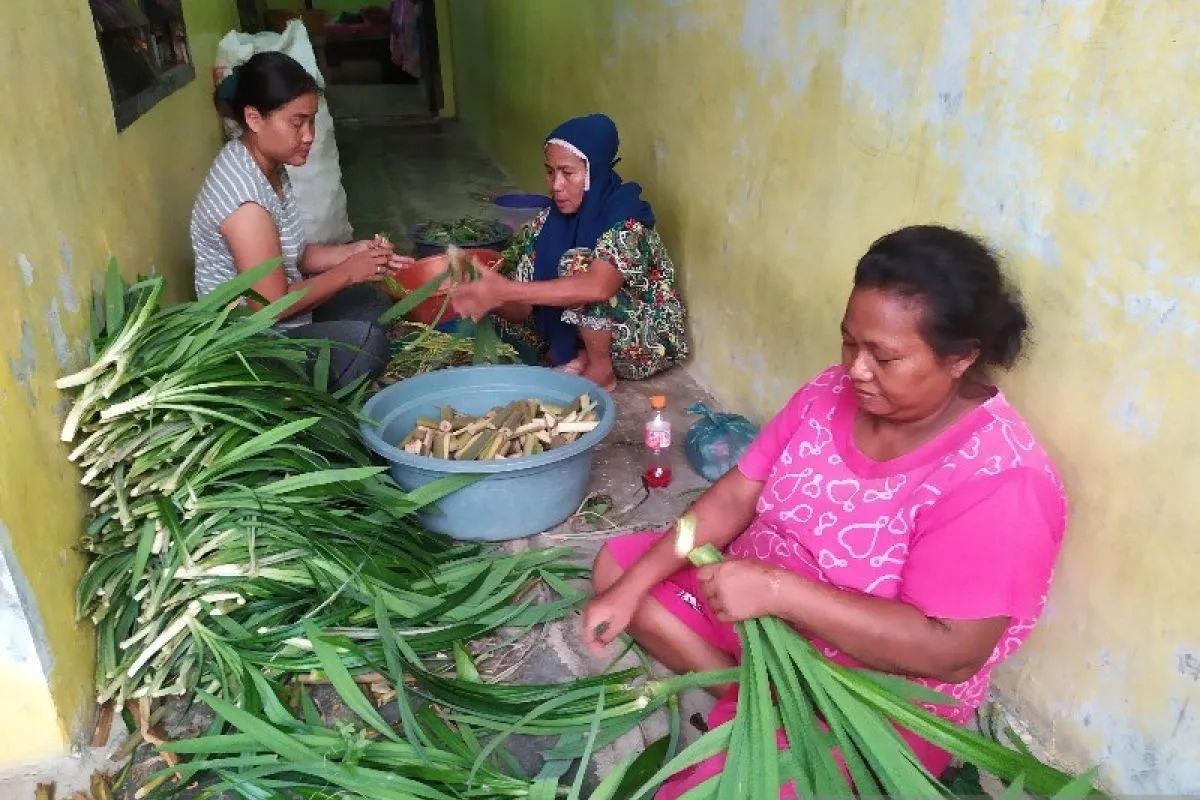
Women packed pandan leaves as part of the traditional bathing ritual known as 'mapangir', a custom of self-purification before Ramadan. (Photo: Antara/Waristo)
Several regions in North Sumatra have a tradition of welcoming Ramadan, known as Marpangir.
This tradition involves a traditional bath using leaves or spices, such as pandan leaves, lemongrass leaves, rose petals, cananga flowers, kaffir lime, lime leaves, vetiver root, and areca flowers for fragrance.
The people of North Sumatra follow the Marpangir tradition, a form of self-cleansing, before entering the month of Ramadan.
Malamang (West Sumatra)
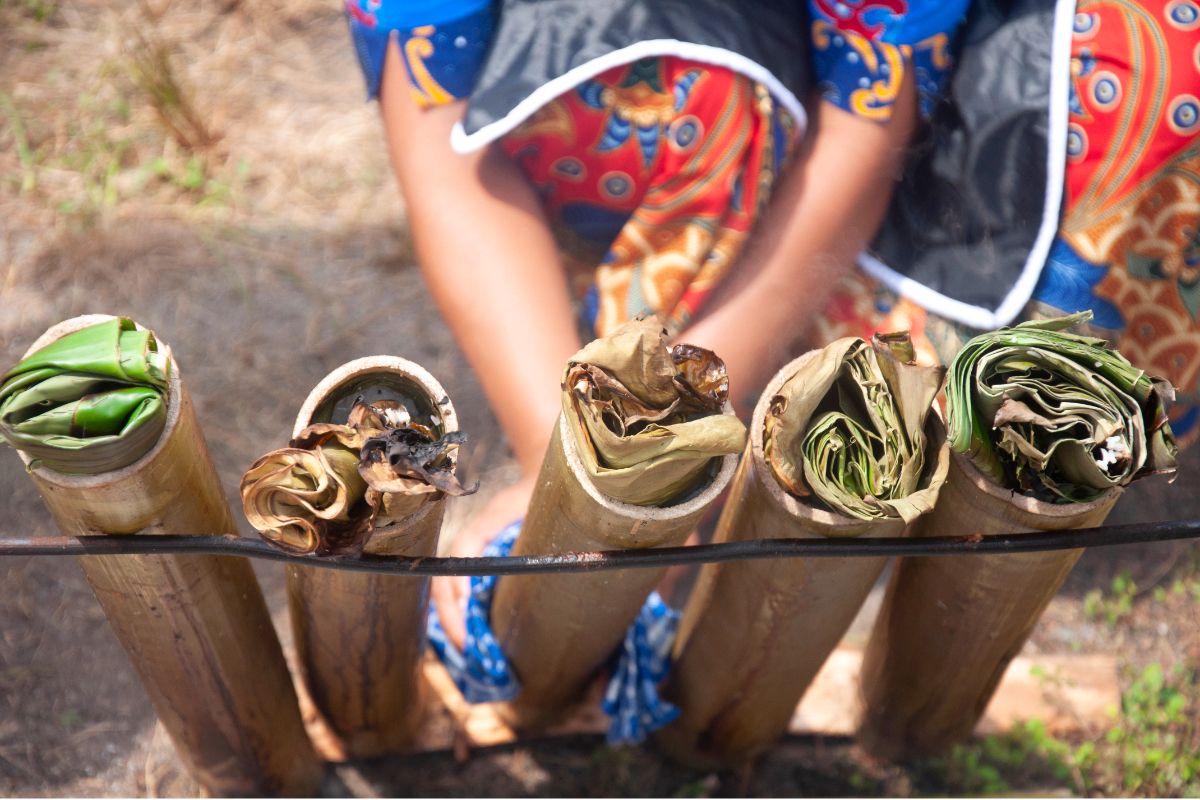
The 'malamang' tradition of welcoming Ramadan in West Sumatra involves making lemang, sticky rice cooked in bamboo. (Photo: Shutterstock/octavianus wahyu)
The people of West Sumatra routinely follow the tradition of welcoming Ramadan.
Residents will perform Malamang as a joyful tradition to greet Ramadan.
The Malamang tradition involves making the traditional food called lemang, sticky rice cooked in bamboo.
Behind the simplicity of this food, the Malamang tradition fosters a sense of togetherness among the Minangkabau people.
Meugang (Aceh)
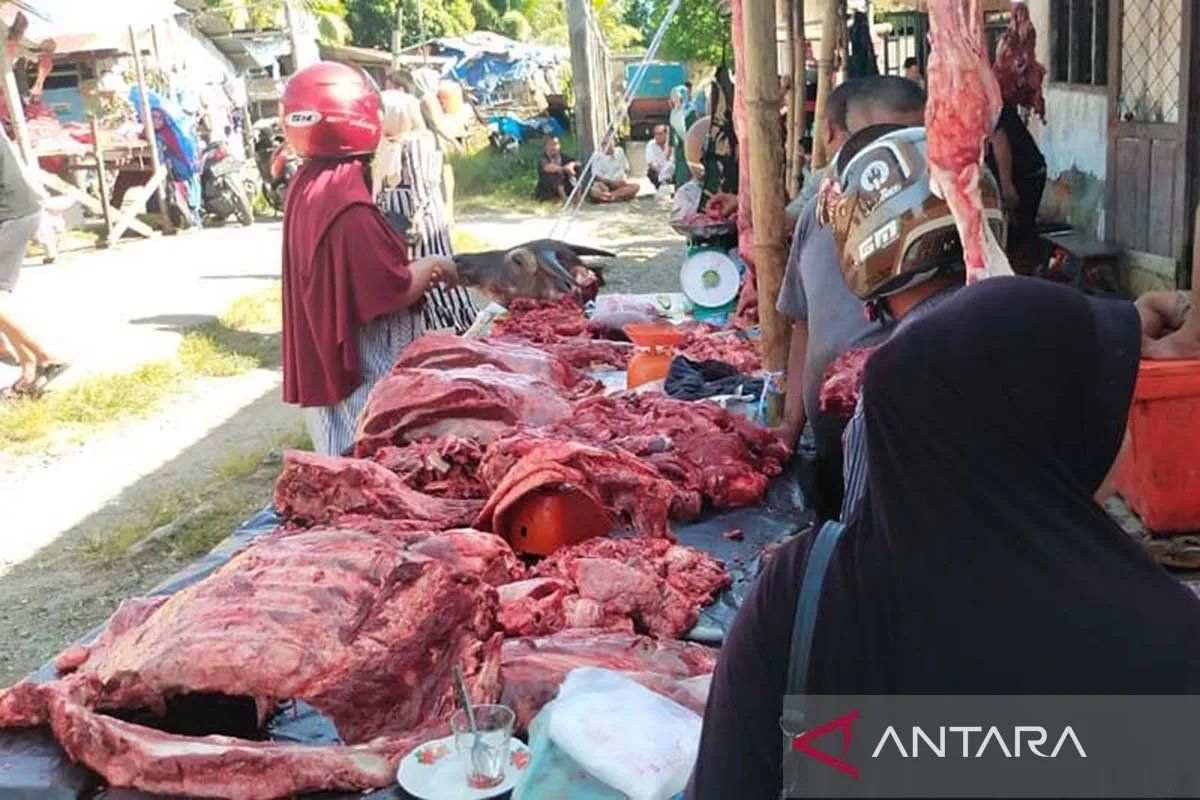
Archive photo - The atmosphere of 'meugang' meat sales at Sinabang Market, Simeulue, Aceh. (Photo: ANTARA/Ade Irwansah)
Another fascinating tradition of welcoming Ramadan in Aceh is the Meugang or Haghi Mamagang tradition.
This tradition of welcoming Ramadan has existed since the 14th century, when the Aceh Darussalam Kingdom was established.
The Meugang tradition is filled with activities of cooking beef, goat, or buffalo meat a day before the month of Ramadan.
All family members, relatives, or orphans eat the processed meat.
In addition to being carried out when welcoming Ramadan, the Meugang tradition is also carried out when welcoming Eid al-Adha and Eid al-Fitr.
Mattunu Solong (West Sulawesi)
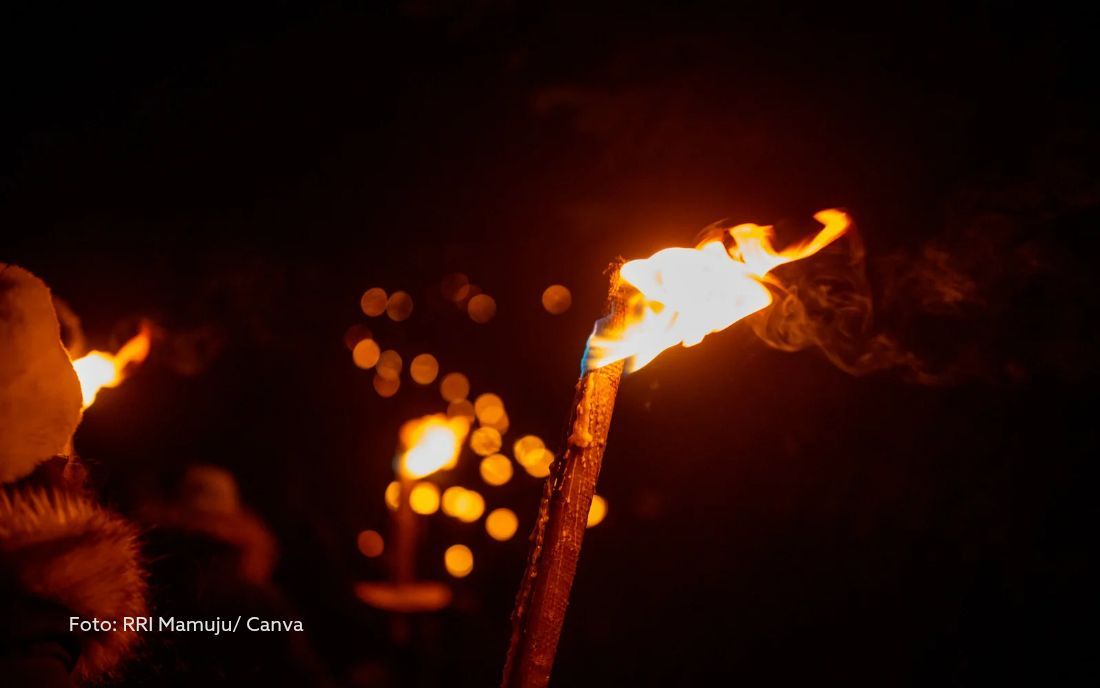
The people of West Sulawesi lighted traditional lamps during the 'mattunu solong' tradition to welcome Ramadan. (Photo: RRI Mamuju)
Next is the Mattunu Solong tradition, a tradition to welcome Ramadan carried out by the people of Polewali Mandar, West Sulawesi.
This welcoming tradition during Ramadan involves lighting traditional lamps made from candlenuts. The lamps are then stacked with kapok (fluffy, cotton-like fiber obtained from the seed pods of the kapok tree, Ceiba pentandra) and wrapped around pieces of bamboo.
The lamps are placed on fences, yards, stairs, entrances, and even kitchens.
According to belief, the Mattunu Solong tradition seeks blessings from the Creator as it welcomes the holy month of Ramadan.
In addition, this tradition is also carried out as a prayer to God Almighty always to grant health and longevity so that fasting worship can be conducted smoothly.
Megibung (Bali)
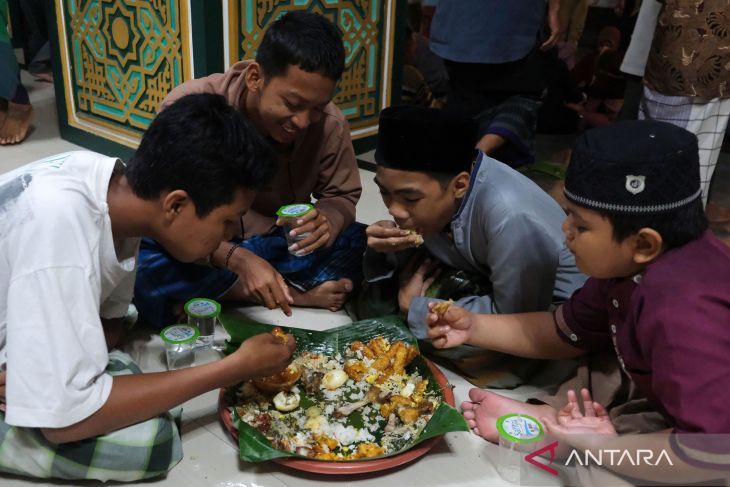
Muslims ate together in one container when breaking the fast during the 'megibung' tradition at the Al-Muhajirin Mosque, Kepaon Islamic Village, Denpasar, Bali, last year. The Balinese tradition of eating together was held three times during the fasting month of Ramadan to strengthen a sense of brotherhood. (Photo: Antara/Nyoman Hendra Wibowo/wsj)
Muslims in Karangasem Regency, Bali, also have a tradition of welcoming Ramadan called Megibung.
The Megibung tradition is carried out by cooking and eating together while sitting in a circle.
Uniquely the Megibung tradition has a unique food arrangement. Rice is placed in a container called a gibungan.
Meanwhile, the side dishes are served on a karangan base. According to belief, the Megibung tradition is a form of strengthening brotherhood and togetherness. ***
News Recomendation
Loading latest news.....