



North Kalimantan Ecoprint Craft Gains Global Market
- 28 Agt 2026 08:37 WIB
- Voice of Indonesia
Key Points
- Benuanta flora ecoprint textiles from Tarakan, North Kalimantan, combine artistic value with environmental sustainability by using natural dyes and local biodiversity.
- The products have attracted international interest, including at the 2024 China-ASEAN Expo (CAEXPO) in Nanning, China.
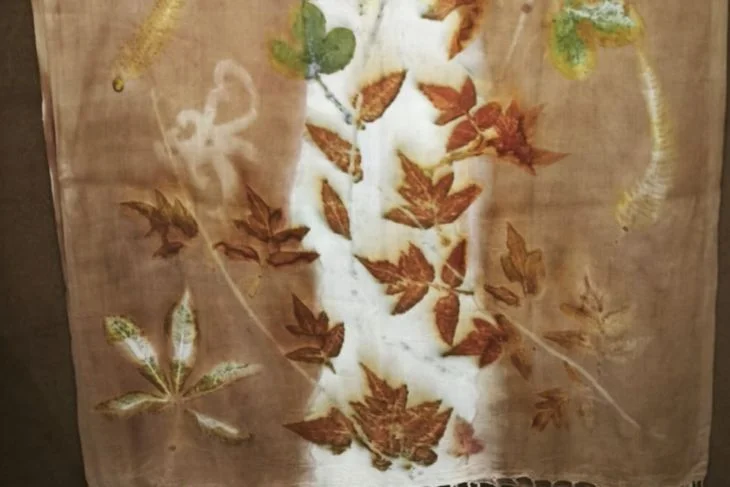
RRI.CO.ID, Tarakan - Amid the rapid rise of fast fashion, Benuanta flora ecoprint textiles from North Kalimantan offer a new direction for sustainable fashion, one that combines high artistic value with environmental responsibility. Using natural dyes and local biodiversity, including endemic plants such as wild grass that produces red and navy hues, these handcrafted works from Tarakan have successfully reached international markets.
Ecoprint is a technique for printing or applying motifs and colors to fabric, leather, or paper using natural materials from the surrounding environment, including leaves, flowers, stems, and twigs. The ecoprint process begins with a ritual-like washing of the cotton fabric.
“This is called the scouring process or washing away traces of oil and dirt from the factory that remain on the fabric. The cloth is soaked for 30 minutes in mild soap. The soaking water turns yellowish from the fabric, then the fibers are opened so they can receive leaf imprints during processing,” said Chairperson of the Indonesian Ecoprint Association for the Kalimantan Region and North Kalimantan Ecoprint Coordinator, Agatha Chelsia Fange (58), in Tarakan on Monday, August 24, 2026, while pointing to the used soaking water.
Afterward, the fabric reaches an atus (half dry) condition, which is wet but no longer dripping, with its fibers already opened, and is ready to receive floral imprints. Chelsea then begins arranging leaves and wild grass commonly found in Tarakan across the stretched fabric.
“The position of the leaf veins must adhere properly to the fabric. This determines whether the colors and leaf motifs left behind will appear sharp or soft,” she said, as quoted by Antara.
Once the flora has been arranged on the fabric, it is tightly rolled and bound, with each leaf enclosed in the fabric’s firm embrace. The bundle is then steamed for 1.5 hours in a large, hot, steaming pot in Chelsea’s kitchen.
The wonder of transferring the flora’s colors and forms begins during the steaming process. The heat gradually draws the leaves’ natural pigments into the cloth, binding them permanently within the fabric’s fibers.
When Chelsea lifts the roll of fabric containing the arranged flora, the distinctive scent of leaves begins to emerge. Then comes the most suspenseful moment: once the package is warm, its ties are slowly removed.
As the fabric roll is unfurled and the wilted leaves are brushed away, a magical surprise appears, that is a natural painting printed perfectly on the cloth. No two motifs in ecoprint textiles will ever be exactly the same.
Yet ecoprint textile craft also carries an element of uncertainty, as colors do not always emerge as predicted. It is precisely this uncertainty that gives Benuanta flora ecoprint textiles their distinctive character.
“The printed fabric is then dried by airing it out for five days. After that, the process continues with fixation using alum, lime, or ferrous sulfate to lock in the colors and create particular visual effects,” she said.
She explained that there are three ecoprint techniques: pounding the leaves onto fabric without steaming; steaming; and steaming with color transfer.
Each leaf differs in size and vein structure and produces different colors, even when it comes from the same type of flora or plant. This is the exclusive hallmark of ecoprint works: one piece of fabric creates one artwork, with no identical duplicate.
Chelsea said the ecoprint pieces she produces are made from plants around her, most of which she grows herself. These include plants endemic to Kalimantan that are not found elsewhere, such as wild grass that produces red and navy colors.
Chelsea has pursued ecoprint art since 2020. Most of her creations combine ecoprint with Dayak ethnic motifs to create a distinct identity.
Benuanta flora ecoprint textiles are not merely decorative fabrics. They are a record of Kalimantan’s biodiversity, an unrepeatable beauty without duplicates.
Once the finishing process is complete, the Benuanta flora-imprinted textiles are ready for sale. Chelsea currently sells scarves in two sizes, 40 by 175 centimeters for IDR125,000 (USD7.06) each, and 60 by 200 centimeters for IDR180,000 (USD10.17) per piece.
She said most of her ecoprint works appeal to overseas markets. This was evident when Chelsea joined the North Kalimantan Provincial Administration at the China-ASEAN Expo (CAEXPO) in Nanning, China, in 2024, where visitors showed strong interest in her work.
Chelsea does not use her ecoprint skills solely for personal benefit. She also shares her knowledge with the community so that it can be useful and generate income.
Chelsea currently employs three of her neighbors and one person with a disability in her ecoprint business. She also provides training for students from the University of Borneo Tarakan (UBT), as well as people with disabilities.
Chairperson of the North Kalimantan Regional National Craft Council (Dekranasda) and a member of the House of Representatives’ Commission VII, Rahmawati Zainal, said that discussing North Kalimantan textiles means discussing a wealth that has long been underexposed. Yet, she said, the province’s potential is extraordinary, with a highly diverse range of ethnic communities.
“North Kalimantan textiles are also beginning to take the national stage. In 2025, Tarakan was even one of the supporters of the national Nusantara Textile Parade,” said Rahmawati. ***
News Recomendation
Loading latest news.....