



Jayawijaya Seeks Trademark Protection for Noken Cenderawasih
- 30 Jun 2026 01:22 WIB
- Voice of Indonesia
Key Points
- Jayawijaya is pursuing Intellectual Property Rights (HKI) protection for Noken Cenderawasih to safeguard the Bomta tribe's traditional craftsmanship.
- The initiative is expected to strengthen local MSMEs, expand market access, and preserve the unique cultural identity of the indigenous woven bag.
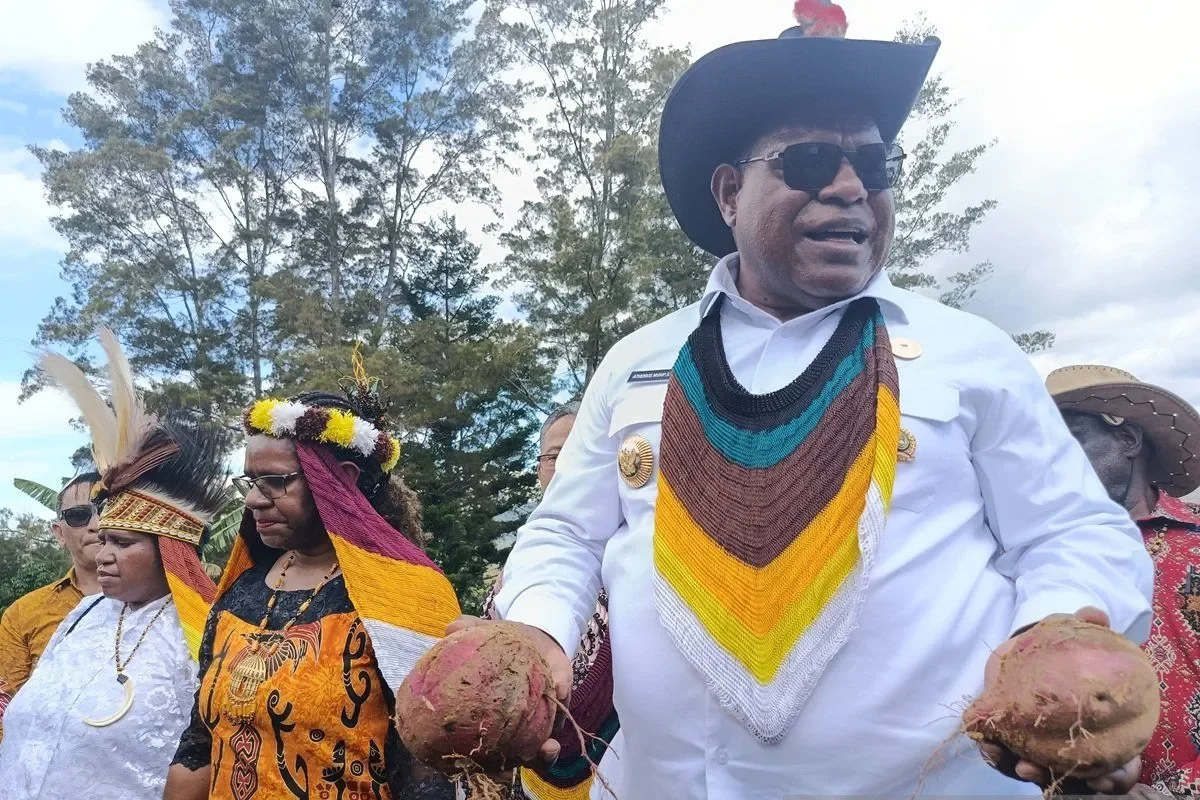
RRI.CO.ID, Wamena - In a bid to insulate indigenous craftsmanship from commercial exploitation while upgrading regional economic resilience, the Jayawijaya Regency Administration in Papua Mountains is fast-tracking a legal campaign to secure official trademark protections for the highly distinctive Noken Cenderawasih.
The specialized woven bag is a signature product of micro, small, and medium enterprises (MSMEs) managed by the indigenous Bomta tribe across 328 villages. By aggressively pursuing a legal shield for the craft, municipal authorities aim to build a secure commercial framework that directly channels tourist revenues back into remote tribal households.
To introduce the rare design to a broader audience, the local administration launched a targeted micro-exhibition in Taganek Village, Yalengga District. Organized in tandem with the Family Welfare Movement (PKK) and the Regional National Crafts Council (Dekranasda), the exhibition serves as a physical marketplace for village cooperatives.
"We are holding a mini exhibition in Taganek Village, Yalengga District, showcasing the handicrafts of the local community so that visitors can purchase their products," Jayawijaya Regent Atenius Murib said in a written address from Wamena on Sunday, June 28, 2026, as quoted by Antara.
Atenius explained that securing state-sanctioned legal branding is the centerpiece of the region's long-term MSME empowerment strategy.
"The local administration, in collaboration with the Family Welfare Movement (PKK) and the Regional Crafts Council (Dekranasda), is encouraging Noken Cenderawasih to obtain intellectual property rights (IPR). This will boost their confidence and make their products competitive, enabling them to expand their market share in both the national and international markets," the Regent emphasized, noting that Intellectual Property Rights (IPR) will boost the product's marketability across global networks.
While the traditional Papuan noken, a versatile, knotless netted bag handwoven from wood fiber or leaves, was officially inscribed on UNESCO’s Intangible Cultural Heritage list in 2012, Atenius pointed out that weaving patterns, structural raw materials, and philosophical motifs vary wildly between individual Papuan clans.
"For this reason, we encourage the Cenderawasih Noken handicrafts from the Bomta region's indigenous people to obtain IPR, so that in future marketing, their copyright is protected, especially for noken made by the Bomta tribe," he added.
The administrative push for patenting traditional crafts forms part of a larger structural master plan to commercialize Jayawijaya's unique geographical assets. Beyond indigenous textiles, local authorities are aiming to standardize distribution channels for high-value agricultural commodities grown in the fertile Baliem Valley.
"We hope that MSME products will go beyond noken, as natural products like coffee, avocado, passion fruit, and other Jayawijaya-native plantation and craft products can also drive economic progress for the people of this region," Atenius concluded. ***
News Recomendation
Loading latest news.....