



Bekasi Studies China’s Waste-to-Energy Model for Bantargebang
- 26 Jun 2026 13:32 WIB
- Voice of Indonesia
Key Points
- Bekasi officials traveled to China to study waste-to-energy technology before launching the Bantargebang PSEL project in July 2026.
- The project aims to transform Bantargebang into a green economy hub by generating electricity from waste and developing industries that utilize incineration byproducts.
RRI.CO.ID, Bekasi - A delegation from the Bekasi municipal administration in West Java, departed for China on Friday, June 26, 2026, to conduct a comparative study on advanced waste-to-energy technologies, marking a crucial step forward in the city's plan to construct a high-capacity power plant.
The delegation, led by Bekasi Mayor Tri Adhianto Tjahyono and Bekasi Legislative Council (DPRD) Speaker Sardi Efendi, is scheduled to inspect the waste-to-energy facility operated by Wangneng Environment in Huzhou, China. The visit is intended to provide municipal stakeholders with firsthand operational insights ahead of the physical construction of Bekasi’s own Waste-to-Energy Processing (PSEL) project.
Head of Bekasi Environmental Agency (DLH) Kiswatiningsih said that prior to the group's departure on Friday, June 26, 2026, that the field study would allow the city's leadership to thoroughly evaluate the industrial lifecycle of modern trash utilization.
"The visit was conducted to directly study the waste processing technology that will be implemented in the Bekasi City Waste Processing into Electrical Energy (PSEL) project," Kiswatiningsih explained, as quoted by Antara.
She added that the study would cover the entire process, including waste sorting, thermal processing, emission control systems, and final electricity grid integration. Kiswatiningsih also clarified that the trip is fully funded by Wangneng Environment as the project's designated executing business entity (BUPP), thereby incurring zero expense for the local regional budget.
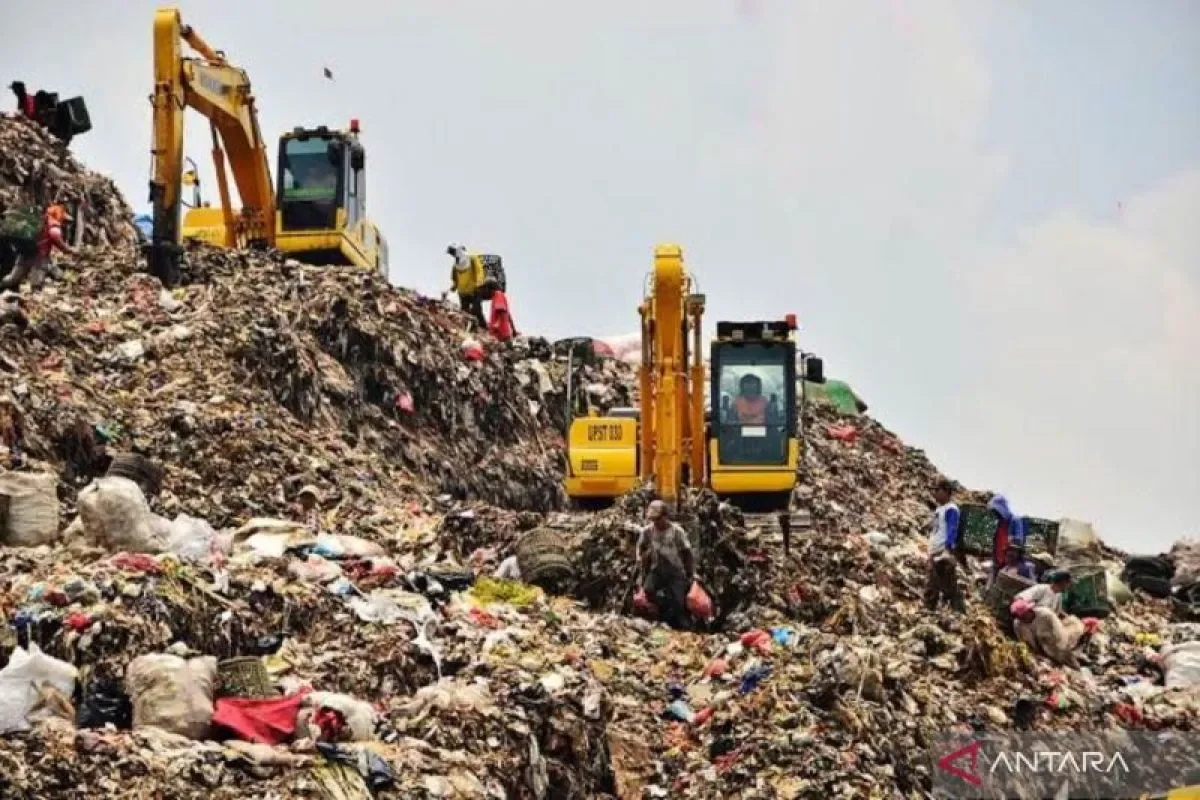
The implementation of the PSEL system is viewed by local leaders as the centerpiece of a comprehensive environmental overhaul for the Bantargebang Subdistrict. For decades, the area has been defined by its status as home to the largest open dump site in Indonesia.
Bekasi Mayor Tri Adhianto emphasized that the construction of the modern incinerator plant is part of a structural effort to shift Bantargebang toward a green economy.
"We want to change the public stigma surrounding Bantargebang. It will no longer be known simply as a garbage dump, but as a center for environmental innovation that can convert waste into energy, open up new economic opportunities, and provide direct benefits to the surrounding community," Tri said.
In tandem with the electricity generation plant, the Bekasi Administration is mapping out downstream circular economy industries to manage industrial byproducts. The city intends to establish processing hubs to convert Fly Ash and Bottom Ash (FABA), the residual byproducts of the waste incineration process, into construction materials and other commercial products.
"We envision Bantargebang developing into an environmental economic zone in the future. It will have a PSEL (Electricity and Energy Savings) facility that generates electricity, a FABA processing industry that produces economically valuable products, and environmental research and innovation activities. The benefits will not only address waste issues but also stimulate the local economy," Tri explained.
The local administration aims to position the completed Bantargebang facility as a national model for sustainable urban planning and waste management. Groundbreaking for the Bekasi PSEL project is scheduled for early July 2026, with President Prabowo Subianto expected to inaugurate the ceremony. ***
News Recomendation
Loading latest news.....