



East Kalimantan Strengthens Three Pillars of Culture to Anchor Regional Heritage
- 24 Mei 2026 14:18 WIB
- Voice of Indonesia
Key Points
- East Kalimantan is strengthening its three cultural pillars: hinterland, royal court, and coastal traditions.
- Several historic landmarks and traditional foods have secured national cultural heritage recognition.
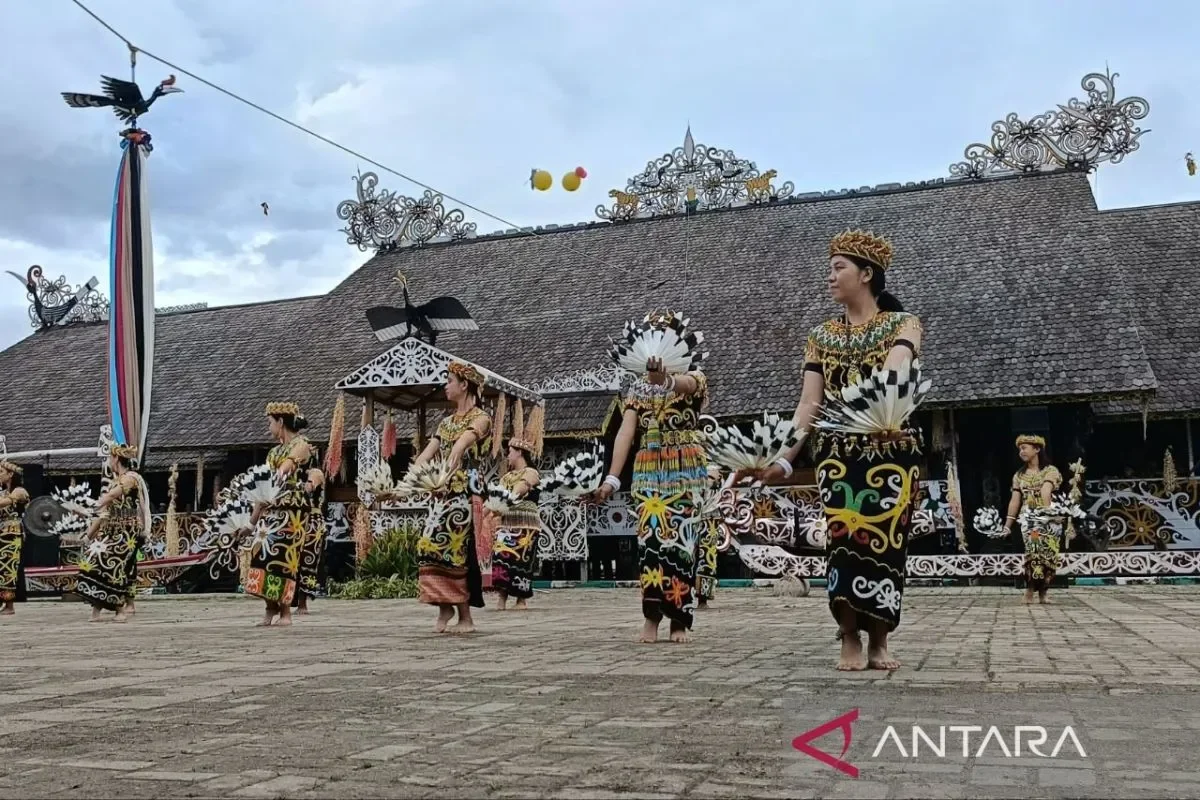
RRI.CO.ID, Samarinda - The East Kalimantan Education and Culture Agency (Disdikbud) has launched a strategic initiative to reinforce the province's three pillars of culture, the hinterland, the royal court (keraton), and the coastal communities, to solidify the region's unique cultural identity.
The structural preservation push is designed to ensure that East Kalimantan's diverse heritage remains vibrant and competitive alongside Indonesia’s long-established cultural hubs.
Head of the Cultural Division at the East Kalimantan Education and Culture Agency, Sih Sudiyono, detailed how the province's cultural diversity rests entirely on these three foundational pillars. "East Kalimantan's cultural diversity rests on the culture of inland tribes, palace traditions, and coastal communities," Sudiyono said in Samarinda, as quoted by Antara.
According to him, each of the three pillars captures a distinct evolutionary chapter of the East Kalimantan civilization. The hinterland pillar represents the rich, noble traditions of the indigenous Dayak tribes, who have historically coexisted in harmony with the conservation of the local environment and rainforests.
Iconic examples of this pillar include the Lom Plai harvest festival rituals in Muara Wahau, East Kutai, and the continuous development of the Dayak Kenyah cultural showcases at the Pampang Cultural Village. Meanwhile, the royal court pillar safeguards the sublime values inherited from historical kingdoms, most notably the Kutai Kartanegara Ing Martadipura Sultanate, whose modern existence continues to be preserved and honored.
Finally, the coast pillar reflects the highly dynamic nature of waterside communities that historically welcomed cultural acculturation through bustling river and maritime trade routes, a maritime synthesis that is prominently mirrored in traditions like the Pelas Laut festival in Sekerat Village, East Kutai.
To safeguard these civilizations for the long term, the provincial government has successfully secured National Cultural Heritage status for multiple historic sites following rigorous, multi-tiered academic studies. State-protected landmarks now include the Mulawarman Museum, the Sadurengas Museum, Lamin Mancong, and the Jami' Aji Amir Hasanuddin Mosque.
Furthermore, administration agencies are actively rolling out creative programs to bridge the generational gap and attract Generation Z to local traditions. To overcome a deficit in professional art educators, the province implemented the Artists in Schools Movement. This is paired with local history quiz competitions, cultural ambassador pageants, and the Gita Bahana Nusantara choir showcase to give young achievers a national platform for expression.
The culinary arts have also achieved major milestones, with traditional East Kalimantan delicacies such as Samarinda amplang (fish crackers), kue amparan tatak, and jajak juragan mabok officially recognized as part of the Intangible Cultural Heritage of Indonesia. Building on this momentum, the agency is currently finalizing a formal submission to nominate Kue Keminting for national Intangible Cultural Heritage listing. ***
News Recomendation
Loading latest news.....