



South Sulawesi Accelerates Regional Waste-to-Energy Hub as Three Districts Unite
- 05 Apr 2026 08:29 WIB
- Voice of Indonesia
Key Points
- Three regions in South Sulawesi have joined the PSEL project, processing 1,000 tons of waste per day into 20–25 MW of electricity.
- The PSEL facility is designed to process approximately 1,000 tons of waste daily, sourced from the city of Makassar (800 tons), Gowa Regency (150 tons), and Maros Regency (50 tons).
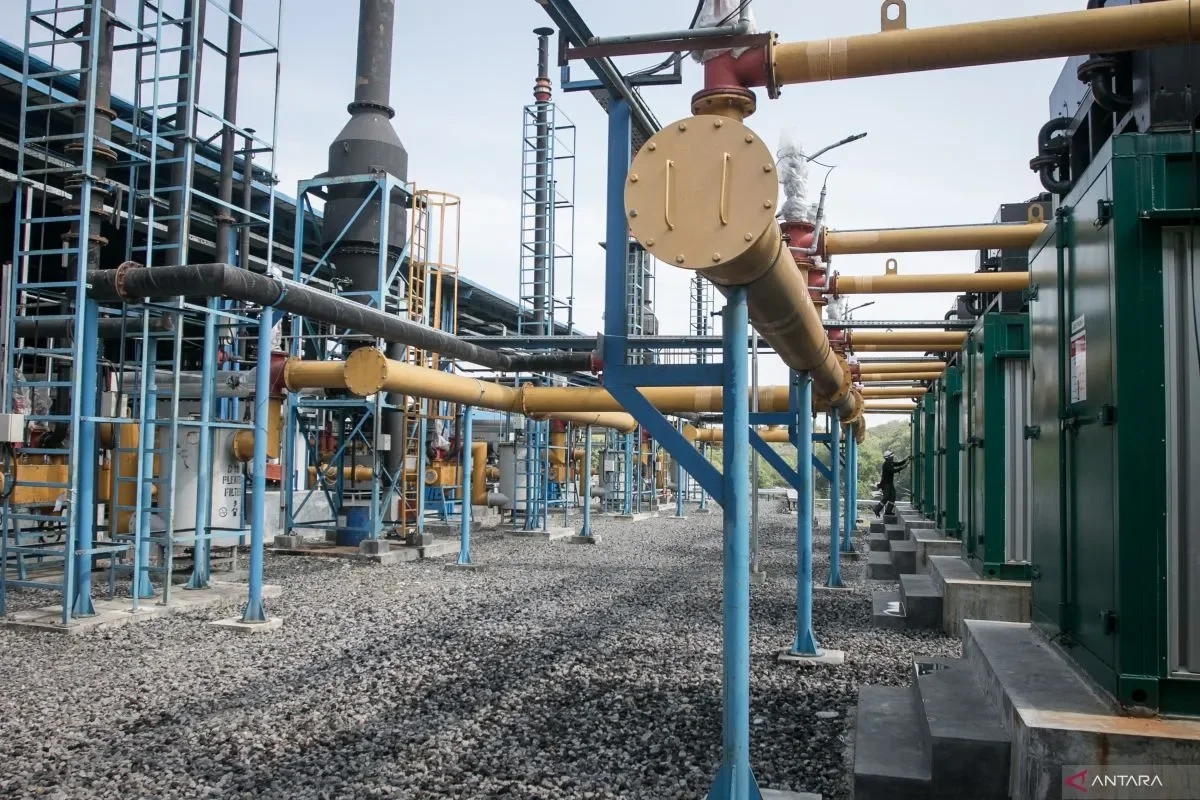
RRI.CO.ID, Makassar - Three districts in South Sulawesi have officially integrated their waste disposal systems into a unified Waste-to-Energy (PSEL) project to overhaul regional waste management and bolster renewable energy. This collaborative approach aims to tackle a looming environmental crisis while contributing significantly to the national power grid.
The initiative was formalized through a cross-regional collaboration agreement witnessed by Minister of Environment, Hanif Faisol Nurofiq, and South Sulawesi Governor Andi Sudirman Sulaiman at the Governor’s Residence in Makassar on Saturday, April 4, 2026. The project marks a transition from traditional landfilling to a modern, systemic energy recovery model.
The PSEL facility is designed to process approximately 1,000 tons of waste daily, sourced from the city of Makassar (800 tons), Gowa Regency (150 tons), and Maros Regency (50 tons). This volume is expected to generate between 20 to 25 Megawatts of electricity, with the final output dependent on the caloric quality of the incoming waste. Minister Hanif emphasized that the sheer volume of waste in these areas necessitated an immediate shift toward energy conversion.
"Waste accumulation has nearly reached 2,000 tons per day across these three regencies and cities, so the fastest solution is certainly waste-to-energy. This is what has been mandated through Presidential Regulation Number 109," Minister Hanif said during the event, as quoted by Antara.
The Minister noted that the project aligns with the directives of President Prabowo, who has raised concerns regarding the national waste emergency. Current data suggests that existing landfills (TPA) have an average remaining lifespan of only 17 years.
By implementing PSEL, the government hopes to reduce daily waste accumulation by up to 20 percent and create a sustainable legacy for future generations.
"This is a long-term step that has been taken; the implementation of this activity is expected to cut through the current generation of waste management," the Minister explained.
He further stressed that this national project is part of a systemic design by the central government to resolve urban waste issues effectively. "This is an important step in answering the problem of increasing waste generation in urban areas," Minister Hanif added.
Despite the ambitious energy targets, logistical hurdles remain. The Makassar City Administration's current waste transport capacity stands at roughly 67 percent, highlighting a critical need for infrastructure upgrades to ensure the PSEL facility receives a consistent supply.
Mayor Munafri Arifuddin explained that the decision to adopt an agglomeration-based strategy with neighboring Gowa and Maros was a deliberate move to avoid fragmented solutions. He noted that the collaboration ensures that the regional waste problem is addressed as a single, cohesive unit rather than through partial, localized efforts. ***
News Recomendation
Loading latest news.....