



Gedung Agung: Yogyakarta's Historic Presidential Palace
- 29 Sep 2026 11:40 WIB
- Voice of Indonesia
Poin Utama
- Gedung Agung, also known as the Yogyakarta Presidential Palace, is one of Indonesia’s presidential palaces.
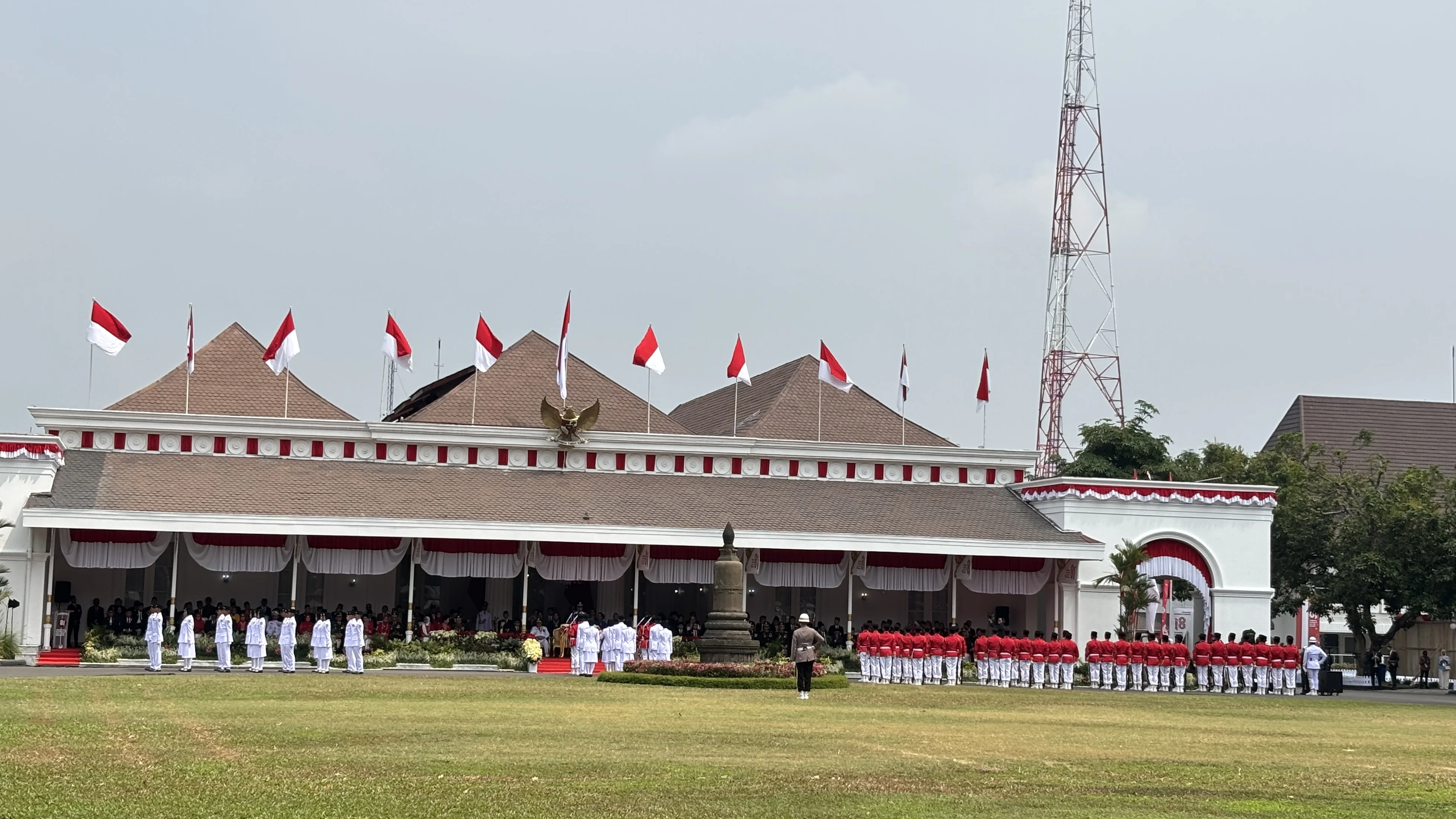
RRI.CO.ID, Yogyakarta – Gedung Agung, also known as the Yogyakarta Presidential Palace, is one of Indonesia’s presidential palaces. It stands in the center of Yogyakarta, a historic city on the island of Java, close to landmarks such as Malioboro Street and the city's northern public square.
The building was constructed during Dutch colonial rule, with the construction of which began in 1824 based on a design by architect A. Payen. The building was completed in 1832 after it was delayed by an earthquake.
Gedung Agung originally served as the residence of the Dutch colonial administration’s representative in Yogyakarta. Its location reflected Yogyakarta’s importance as the seat of the Sultanate of Yogyakarta, which continued to exist under Dutch colonial influence.
The palace gained particular importance after Indonesia proclaimed independence in 1945. From January 1946 until December 1949, Yogyakarta served as the temporary capital of Indonesia as the national government moved from Jakarta due to the political and military situation during the struggle for independence.
During this period, President Sukarno and Vice President Mohammad Hatta used Gedung Agung as the presidential residence and workplace. The palace therefore became closely associated with the early years of the republic and the government's efforts to maintain the newly established state during the independence struggle.
The complex contains several buildings and open spaces, including the main palace building and a number of statues and monuments. Its architecture combines European colonial influences with later Indonesian additions, while its location places it within one of Yogyakarta's busiest historic areas.
Today, Gedung Agung remains an official presidential palace and is used for state ceremonies, presidential visits, and other official activities. It is significant not only as a historic architectural landmark but also as a reminder of Yogyakarta's temporary role as the capital of Indonesia during the country's struggle to secure independence.
News Recomendation
Memuat berita terbaru.....