



Poin Utama
- Onrust Island evolved through many roles over time—from a VOC-era Dutch settlement to an advanced Hajj quarantine station, a health sanatorium, and a Navy training ground.
- Despite shrinking to half its original size after the 1883 Mount Krakatoa eruption, the island still holds authentic historical ruins, including Hajj barracks, an underground water reservoir, and untouched Dutch graves.
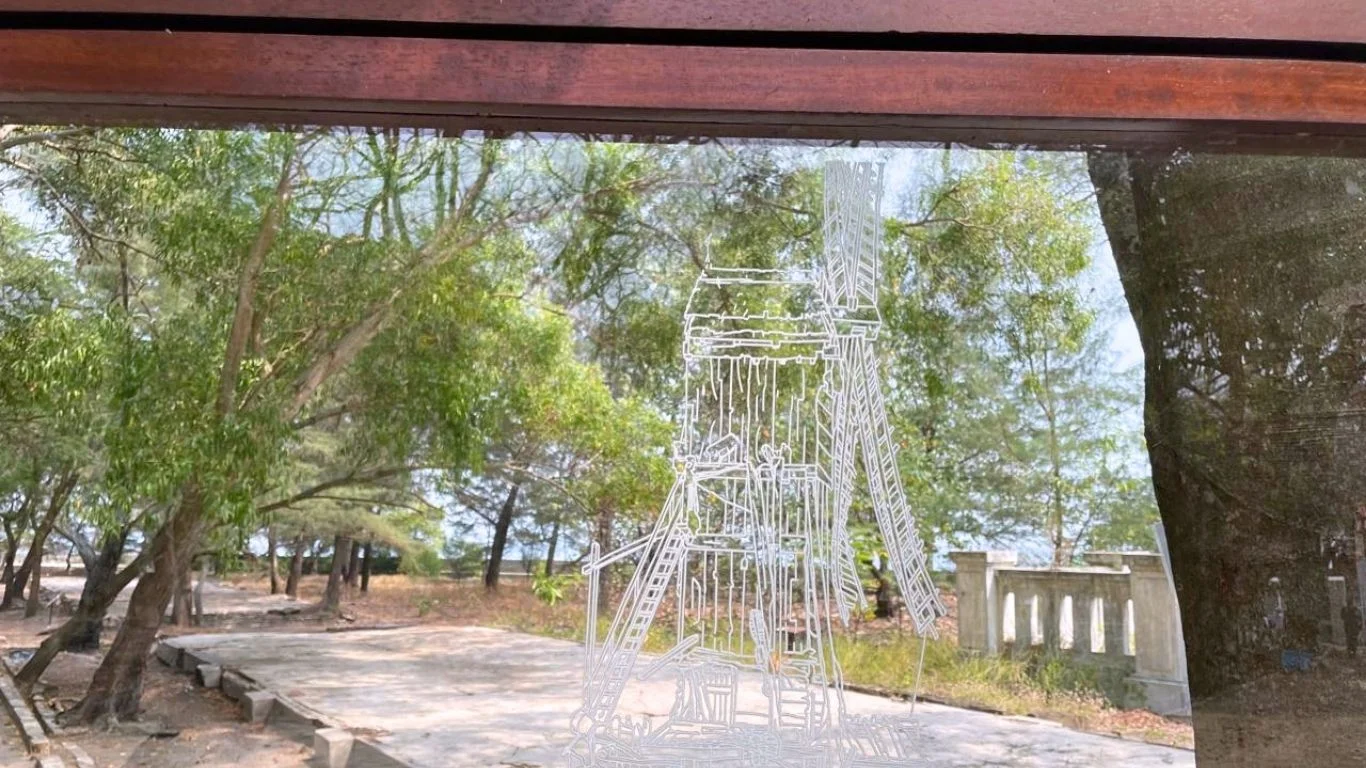
RRI.CO.ID, Jakarta – When people hear about the Thousand Islands in Jakarta, the first thing that usually comes to mind is beach tourism. However, beyond its natural beauty, one island holds a wealth of stories from the past and has become a unique destination for historic tourism, namely Onrust Island.
Onrust Island originally covers an area of 14 hectares. However, according to tour guide, Saide, on Thursday, August 20, 2026, its size has shrunk to about half of its original area due to severe erosion and abrasion following the 1883 eruption of Mount Krakatoa.
Although it was once destroyed, the island was rebuilt and served as a quarantine station and embarkation point for Hajj pilgrims from 1901 to 1933. In this former embarkation area, remnants of important structures still remain, include the communal kitchen building, which now hosts the exhibition “From Batavia to Baitullah: Memories of the Hajj of the Past”; the former hospital where pilgrims underwent health checks before departure; and the ruins of a VOC-era building that once served as a church.
Furthermore, a building that was once a doctor’s residence now serves as the Onrust Archaeological Museum. This museum features dioramas depicting the island’s history from the VOC period through the Dutch East Indies era to the Hajj quarantine period.
The physical condition of the buildings on Onrust Island remained fairly intact and well-maintained until the 1960s. Consequently, in the early years of independence, the Department of Health used the island as a sanatorium for patients with infectious diseases, such as leprosy, skin diseases, and tuberculosis, as well as a shelter for the homeless.
Later, in 1965, its function shifted to a Navy training ground. Unfortunately, large-scale looting of building materials began in 1968 after the island was abandoned. Looking back at the period when it operated as a Hajj quarantine facility, the island was equipped with remarkably advanced facilities. Separate, well-organized accommodations were built for VIPs, including laundry facilities located away from the restrooms.
To meet the need for fresh water, the island used an artesian well system reaching a depth of 200 meters. The toilet facilities were imported directly from the Netherlands, where modern sanitation management was being implemented during the mid-17th to 18th centuries.
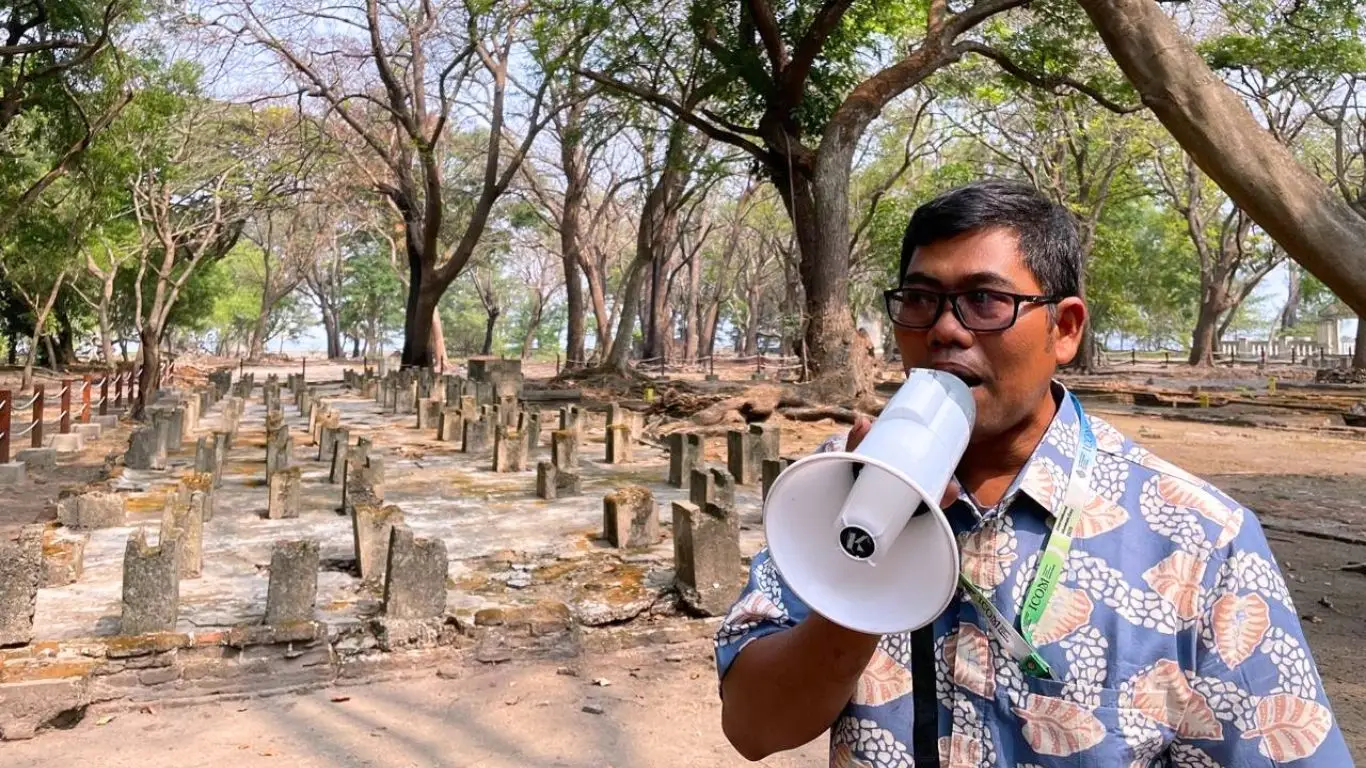
Further evidence of the strict quarantine system can be seen in the remains of the temporary barracks. The former Hajj barracks measured 70 meters by 8 meters and featured a tightly packed system of raised beds designed to accommodate 100 people. In total, 35 barracks could house up to 3,500 pilgrims.
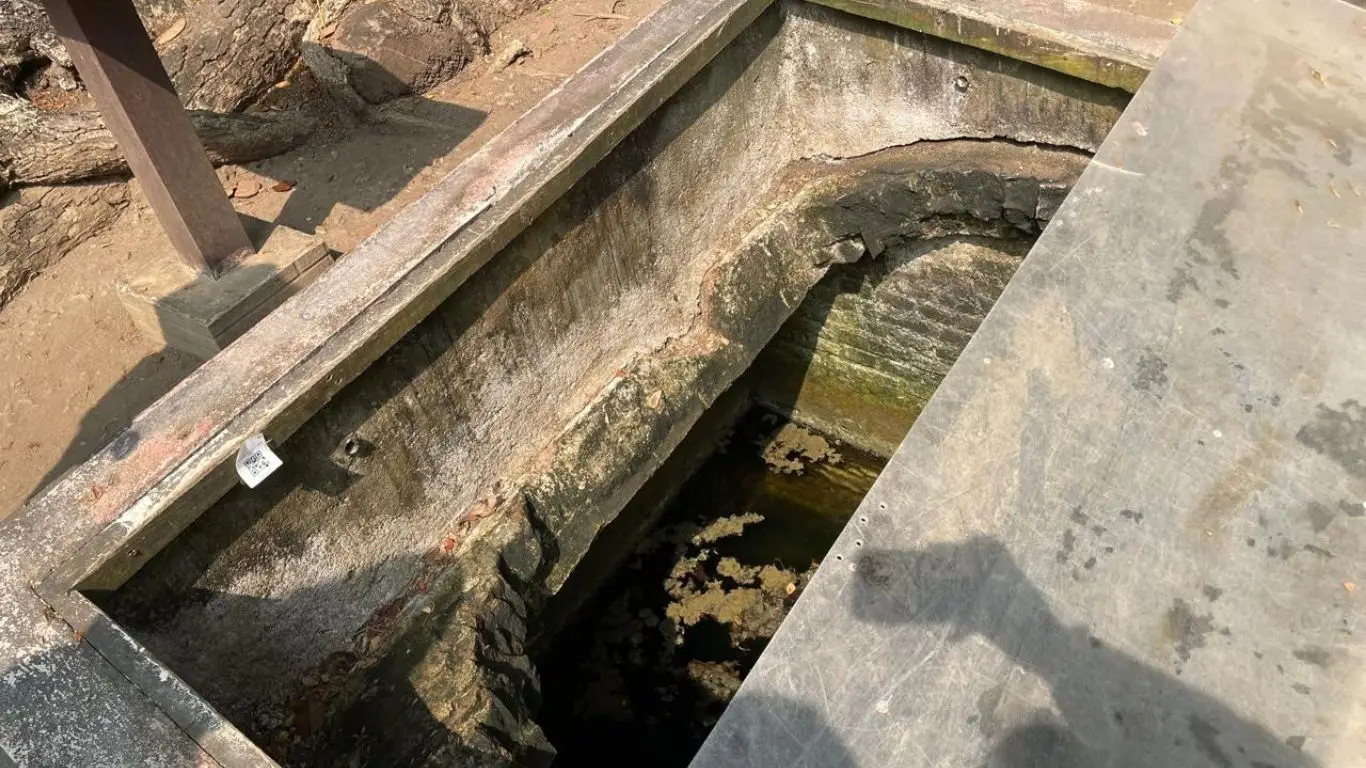
In addition to the above-ground structures, underground facilities were built to support the quarantine area’s clean water needs. A reservoir system consists of 8 interconnected chambers. Each storage chamber measures approximately 1.1 square meters with a depth of nearly 3 meters, holding up to 50 liters of water per chamber.
Besides serving as a Hajj quarantine facility, Onrust Island houses a cemetery complex specifically for Dutch residents from the VOC era. Interestingly, inscriptions on the tombstones reveal that most of those buried here died at a young age, and many were children.
The high mortality rate among working-age people was caused by several key factors: poor initial sanitation on the island, the rapid spread of infectious diseases such as tuberculosis and mosquito-borne tropical illnesses, and the physical inability of European residents to adapt to the tropical climate.
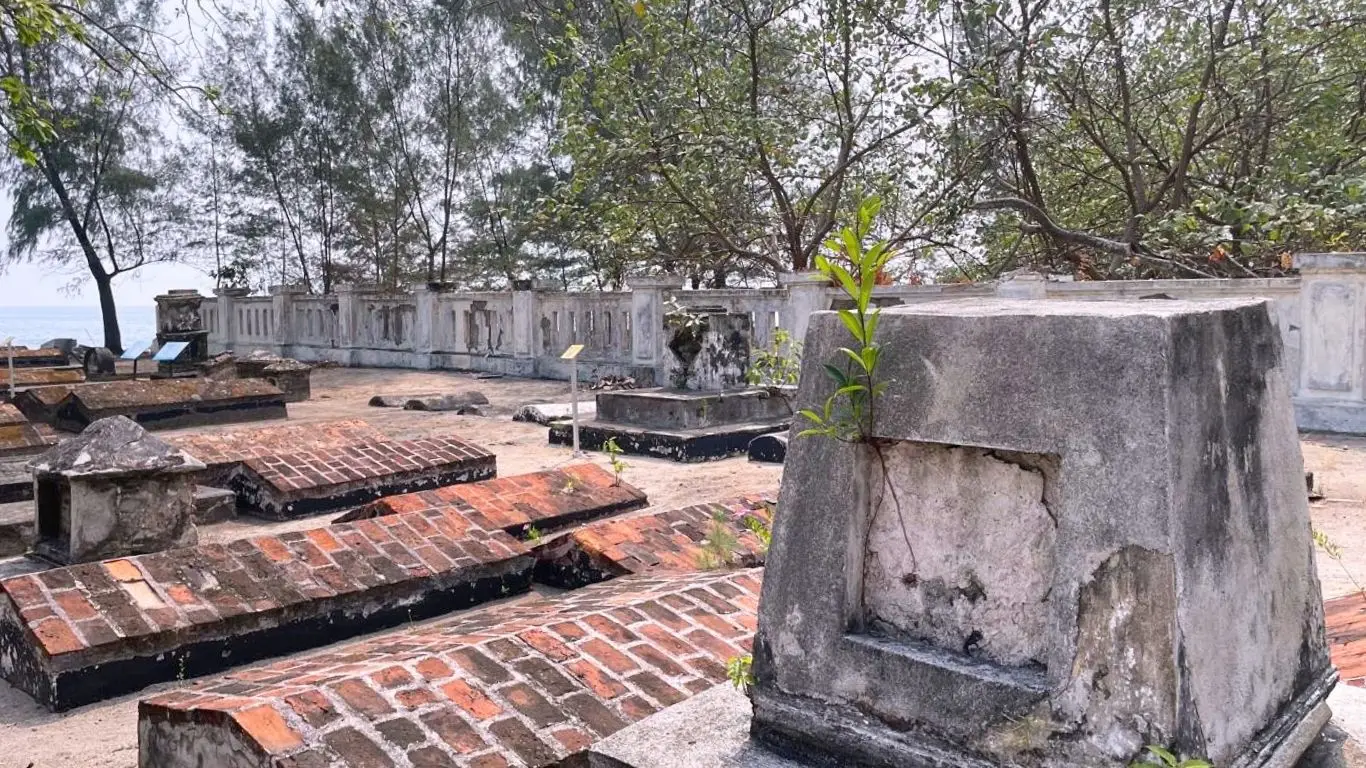
Unlike some historical artifacts that were moved to other museums, such as the Wayang Museum in Jakarta, the graves on Onrust Island were never excavated or exhumed. The existence and authenticity of this site were successfully uncovered because of the dedication of the late Candrian Attahiyyat, a prominent archaeologist who conducted in-depth research on the island's history from his college days until his work gained international recognition.
News Recomendation
Memuat berita terbaru.....