



Bantul Boosts Edu-Tourism at Historic Madukismo Sugar Factory
- 08 Sep 2026 20:31 WIB
- Voice of Indonesia
Key Points
- Madukismo Sugar Factory in Bantul, Yogyakarta, is strengthening its role as an educational and agrotourism destination by allowing visitors to observe the sugar production process firsthand.
- The factory continues to operate German-made machinery dating back to around 1955, giving the site significant historical and industrial heritage value.
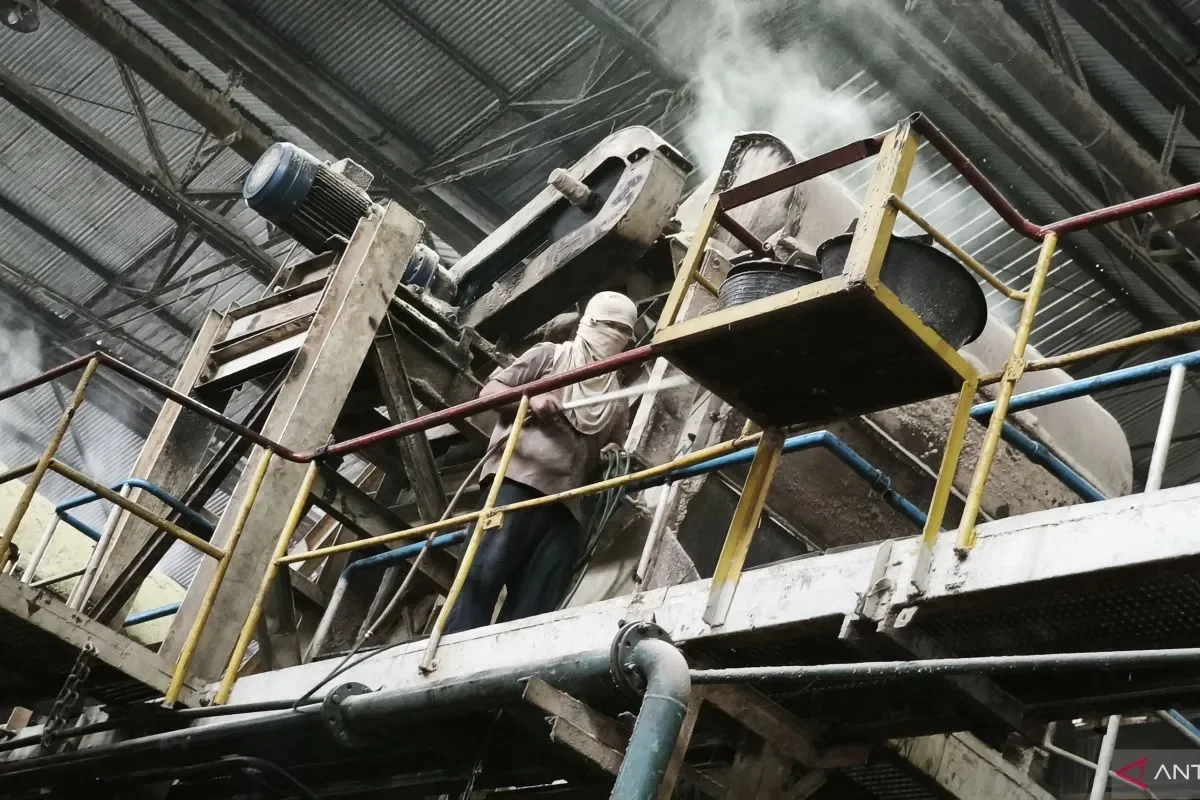
RRI.CO.ID, Yogyakarta - Leveraging actively operational German-made machinery from 1955, Madukismo Sugar Factory in Bantul Regency, Yogyakarta Province, continues to strengthen its appeal as an educational tourism destination. Visitors are invited to witness firsthand the process of converting sugarcane into sugar crystals while retracing the history of the sugar industry in Yogyakarta.
Head of Bantul’s Communication and Information Agency, Singgih Riyadi, said his office would support Madukismo Sugar Factory’s agrotourism and educational tourism initiatives to boost the tourism sector. “We will support it through strengthened publication and promotion in the media,” he said in Bantul on Tuesday, September 8, 2026.
According to him, the factory holds high historical value, including the machinery still in use today—German-made equipment that has been operating since around 1955. “It is still functioning well,” he said, as quoted by Antara.
He noted that opportunities for collaboration are wide open, for example with the Tourism Office through the development of sport tourism, heritage-based tourism, and similar initiatives.
“Madukismo Sugar Factory complements tourist destinations in Bantul; it is now up to the Tourism Office to package it into tour packages,” he said.
Meanwhile, Asset Development Coordinator at PT Madubaru PG-PS Madukismo, Mahmud Safrudi, said Madukismo Sugar Factory began opening to the public in 1997 and gradually became a flagship agrotourism site in Bantul Regency. “To show visitors how sugarcane is processed into sugar crystals,” he said.
Visitors are taken through the factory area using lorries or sugarcane trains that were once used to transport cane. They also watch large production machines in operation, complete with workers on the job.
“There are two processing plants: a sugar factory and a medical and pharmaceutical alcohol production plant,” he said.
He explained that visitors must make reservations and pay entrance fees in advance to avoid overlapping schedules with other groups. Each tour group must consist of at least 30 people, with an entrance fee of IDR 13,000 (USD 0.74) per person. If the number is limited, visitors will be included in an industrial visit package with a different tariff.
“We accommodate a maximum of four visits per day, from 7 a.m. to 4 p.m. Jakarta time, because the last group ends at 4 p.m. Jakarta time; each visit lasts two hours,” he said.
He briefly outlined the history of Madukismo Sugar Factory, built in 1955 at the initiative of Sri Sultan Hamengkubuwono IX to replace 17 sugar factories in Yogyakarta that had been destroyed. The main objective was to recruit workers who had previously been employed at those 17 sugar factories.
He noted that Madukismo’s initial capacity was relatively small, at only 1,500 tonnes of cane per day (TCD), which has since grown to 3,500 TCD. “Our target is approximately 250 tonnes of sugar production per day,” he said.
Educational tourism visits take place daily at the Madukismo Sugar Factory for schools, interns, apprentices, and researchers. These visits aim to educate visitors on sugar crystal production and the site’s rich historical significance. ***
News Recomendation
Loading latest news.....