



Marine Tourism for Enviroment Protection and Coastal Empowerment
- 31 Jan 2026 14:58 WIB
- Voice of Indonesia
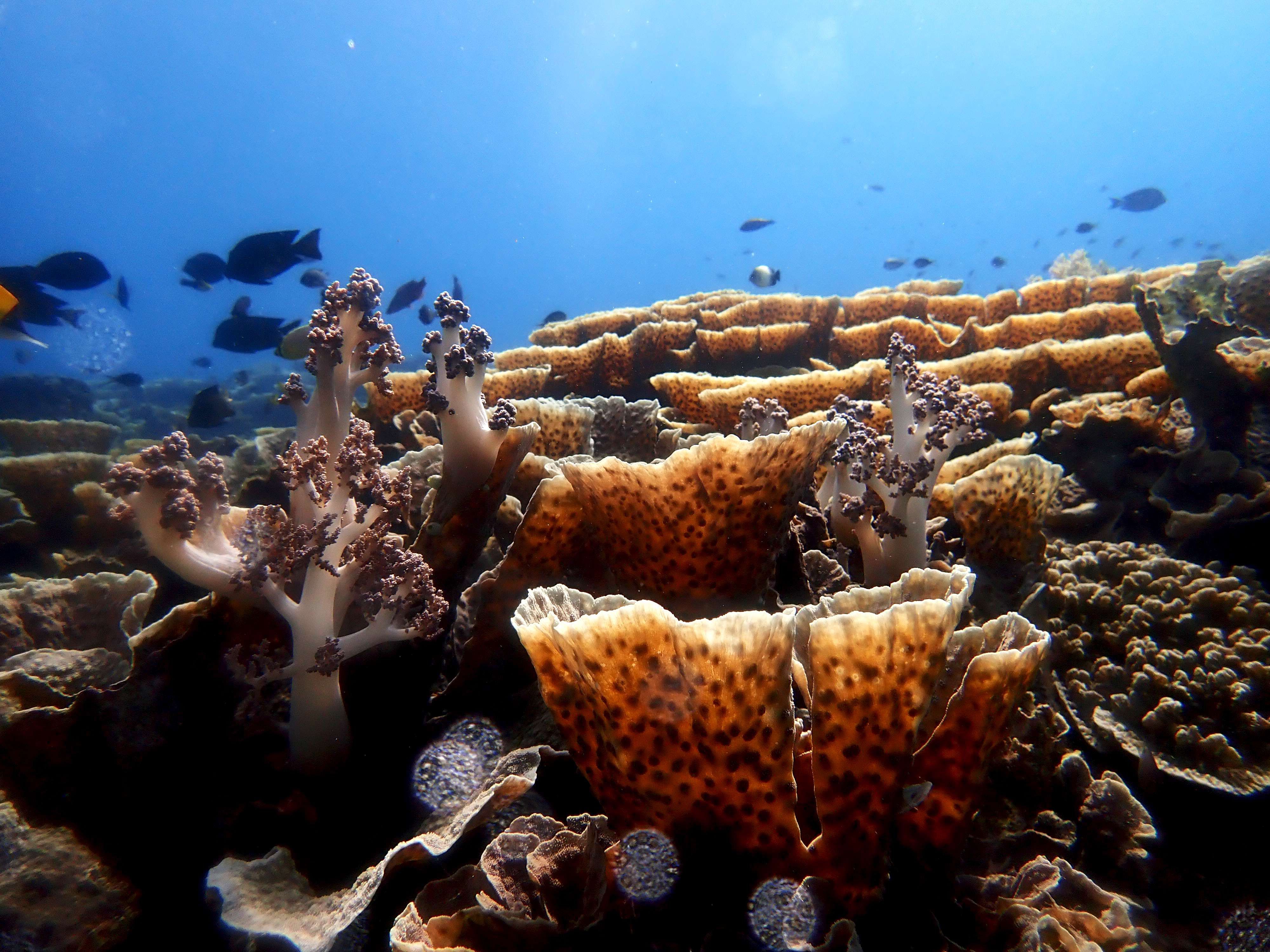
RRI.CO.ID, Bali - Indonesian Deputy Minister of Tourism Ni Luh Puspa said that developing marine tourism in Indonesia is part of the solution to environmental challenges, from ecosystem degradation to waste issues. Tourism is now seen as a way to drive behavioral change and improve marine governance.
"Indonesian tourism is no longer solely focused on visitor numbers. Rather, it ensures a real contribution to the protection of marine ecosystems and improves the welfare of local communities, particularly in the 10 Priority Destinations and 3 Regenerative Destinations," she said at the Bali Ocean Days 2026 international forum in Bali, Friday, January 30, 2026, as quoted by the ministry's official website.
Ni Luh Puspa says Indonesia's sustainable tourism approach balances environmental protection, cultural preservation, and community welfare. This principle is reflected in national policies encouraging eco-friendly and inclusive tourism practices in marine destinations.
The implementation of this policy is evident in the strengthening of coastal tourism villages and marine destinations that prioritize marine conservation as their primary attraction. Until 2024, thousands of coastal villages have developed marine-based tourism activities, creating new jobs while strengthening the role of communities as guardians of the ecosystem.
"The Indonesian government is strengthening the blue economy as a national development strategy. This concept uses marine resources responsibly to generate economic value, create jobs, and improve community welfare, while ensuring marine ecosystems remain intact."
Indonesia, the world's largest archipelagic nation, is considered to have enormous potential for marine tourism. "According to ministry data, Indonesia's maritime economy contributed around USD 5.9 billion through 2024. Out of around 12,000 coastal villages in Indonesia, over 2,000 have created marine tourism activities," she stated.
Ni Luh Puspa also acknowledged significant challenges, particularly marine debris and waste in tourist areas. She emphasized that this issue requires collaboration across sectors and regions.
The Ministry of Marine Affairs and Fisheries, the Ministry of Environment, and local administrations are working together to strengthen coordination and build a sustainable waste management system. Since 2025, various marine debris cleanup programs have been implemented, along with public education and the promotion of the circular economy through recycled products.
The central government is focusing on long-term solutions as well. Construction of waste-to-energy projects is scheduled to begin in three regions in 2026, with Bali being one of the initial locations. These projects are expected to reduce waste while supporting the transition to a green economy.
"We hope this step will provide a concrete solution to address the waste problem and support the transition to a more sustainable economy," said Ni Luh Puspa.
The Ministry of Tourism is improving safety standards, risk management, and environmental protection to strengthen marine destinations. This ensures that marine tourism activities are safe and align with conservation principles.
Several supporting initiatives have also been launched, such as the Clean Tourism Movement, which strengthens diving tourism safety through collaboration with the Divers Alert Network, and the Wonderful Indonesia Diving Directory, which prioritizes responsible practices.
Strengthening human resources is a crucial part of this strategy. Certification and training for tourism personnel will ensure that Indonesia's marine tourism services meet global standards and build tourist confidence.
Concluding her remarks, Ni Luh Puspa praised Bali Ocean Days 2026 as a collaborative space that brings together the government, communities, businesses, and international partners.
"Sustainable marine tourism demands concrete action. This isn't just about beautiful destinations, but about protected oceans and empowered coastal communities as the vanguard of Indonesia's marine resources," she said. ***
News Recomendation
Memuat berita terbaru.....