



Indonesia Researchers Develop Affordable Technology for Hearing Access
- 22 Sep 2026 09:13 WIB
- Voice of Indonesia
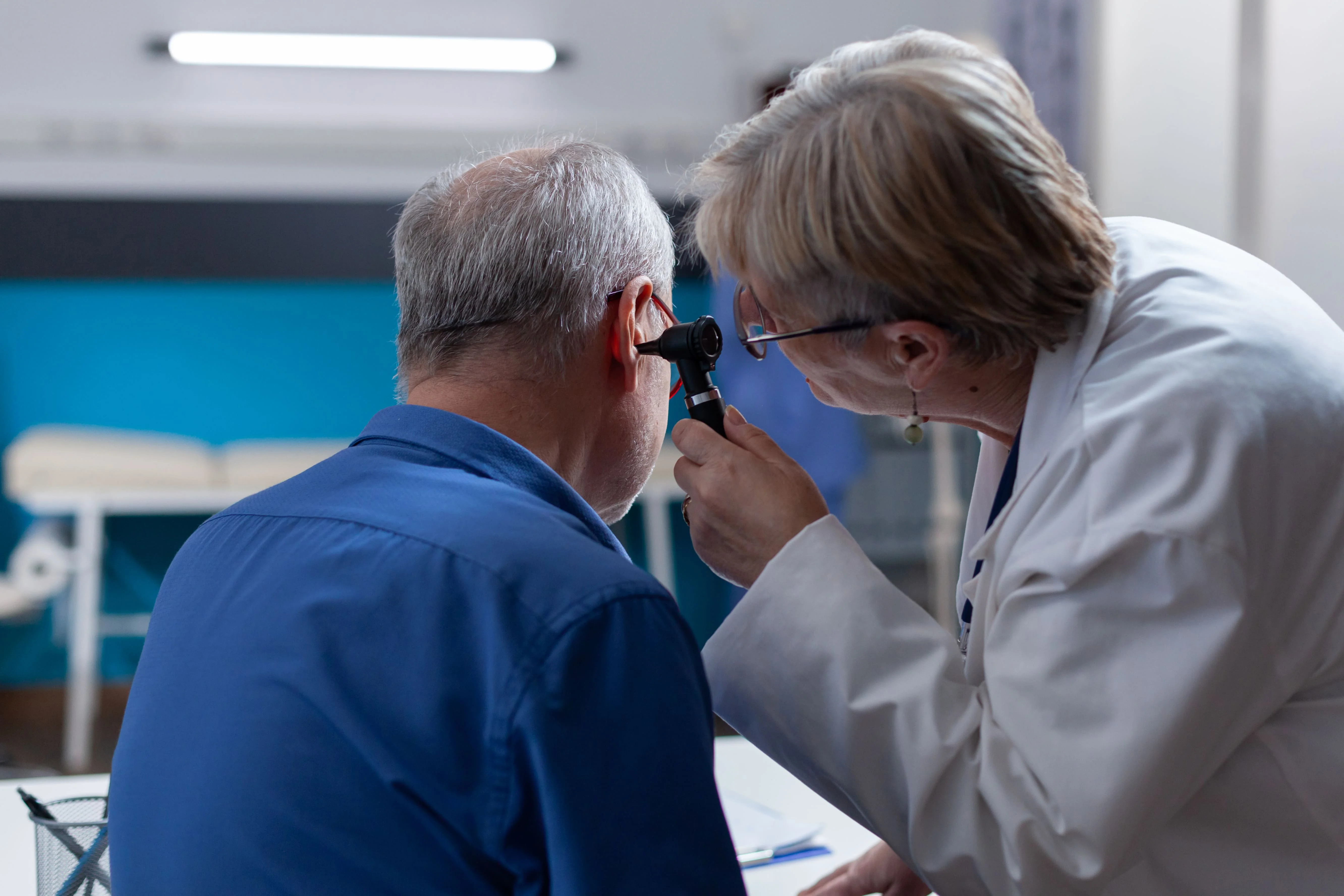
RRI.CO.ID, Jakarta — Indonesian researchers are exploring low-cost hearing technologies to address gaps in access to hearing screening, diagnosis and treatment, particularly for people with moderate to severe hearing loss. Allya Paramita Koesoema, a biomedical engineering researcher at the Bandung Institute of Technology (ITB), discussed the research during a webinar held by the National Research and Innovation Agency on Monday, September 21, 2026.
She explained that the effort comes as hearing loss affects an estimated 1.5 billion people worldwide, with about 430 million requiring audiological rehabilitation. In Indonesia, a 2018 national health survey found that around 6.1 percent of the population experienced hearing problems, while the Health Ministry has estimated that three in every 100 children have hearing loss.
Koesoema said her biomedical engineering research team has been working on technologies ranging from hearing screening and diagnostic tools to more affordable hearing aids. The team is also collaborating with Padjadjaran University (Unpad) and Hasan Sadikin Hospital (RSHS) to develop a lower-cost hearing aid for people with moderate to severe hearing loss.
She further said the challenge extends beyond designing a working device. Researchers must also consider the prevalence of hearing loss, patients' needs, who will pay for the technology, how it will fit into the healthcare system, and how a prototype can eventually be produced through an industrial supply chain.
“We can make sophisticated devices, but the question is who will buy them and who will pay for them,” she stated.
Access to screening remains another challenge. Koesoema cited data from 2019 showing that fewer than 100 otoacoustic emission (OAE) devices were available across Indonesia at the time. OAE testing can be used to screen newborns for hearing problems.
“Even if Indonesia now had ten times as many, or 1,000 devices, it would still be far from enough,” she said, noting that Indonesia still lacks sufficient devices that can detect hearing loss as early as the newborn stage.
The team is therefore also exploring portable and simpler technologies that can be used outside specialist hospitals. These include hearing screening tools based on mobile phones or tablets and a portable pure-tone audiometer weighing about one kilogram.
She said such technologies could help bring screening closer to communities. Koesoema suggested that the technology should be distributed to primary healthcare facilities, schools and community health posts, while reducing dependence on expensive specialist equipment.
News Recomendation
Memuat berita terbaru.....