



Ministry Pushes Green Economy to Address Climate Impacts
- 12 Agt 2026 22:09 WIB
- Voice of Indonesia
Poin Utama
- The implementation of a green economy is being prioritized due to the increasingly visible impacts of climate change.
- The Green Indonesia Future Initiative (GIFT), developed with the Global Green Growth Institute (GGGI), aims to strengthen institutional capacity, mobilize green investments, and accelerate Indonesia’s green economic transition.
RRI.CO.ID, Jakarta - The Ministry of National Development Planning/National Development Planning Agency (PPN/Bappenas) considers implementing a green economy increasingly important as the impacts of climate change become more evident in daily life.
Director of Environment at the Ministry of PPN/Bappenas, Nizhar Marizi, said the effects of climate change are now clearly felt by the public. “A green economy is important for the community, for our population, because the impacts of climate change are very concrete,” Nizhar said on Wednesday, August 12, 2026.
He explained that the green economy is a development model that balances improved well-being with environmental sustainability, while still allowing space for investment, infrastructure development, and job creation.
At the same time, the green economy aims to develop workforce skills suited for environmentally friendly roles, or “green jobs.” The implementation of eco-friendly activities is expected to generate cleaner and more sustainable economic growth.
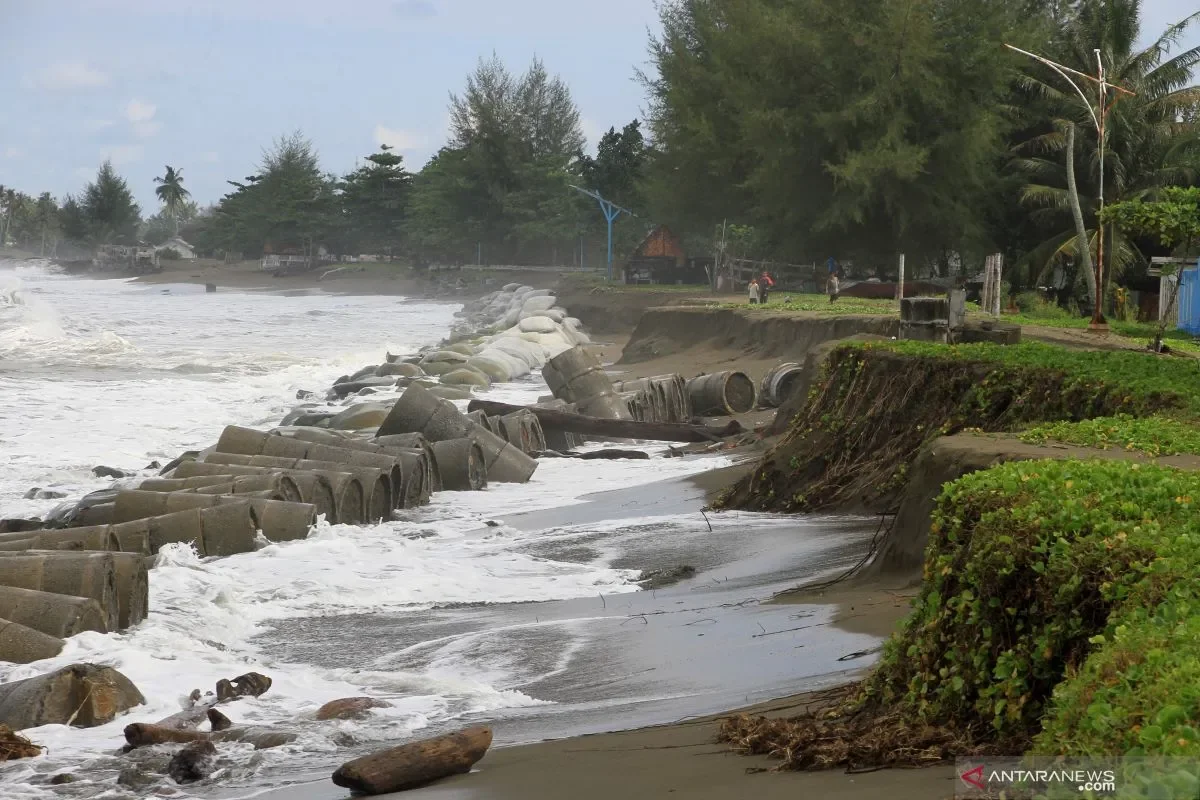
Nizhar highlighted the impacts of climate change, including erratic weather, floods, droughts, and rising sea levels. He said development approaches must be able to preserve the environment while supporting economic and social growth.
Bappenas is preparing the Green Indonesia Future Initiative (GIFT) in collaboration with the Global Green Growth Institute (GGGI). The program will strengthen institutional capacity, develop green investments, and accelerate Indonesia’s green economic transformation.
GIFT aims to integrate three key aspects of the green economy: policy planning, investment mobilization, and implementation. This integration is expected to ensure that green economy programs operate more effectively and deliver broader benefits.
Nizhar said Bappenas seeks to integrate GGGI’s expertise in green investment into Indonesia’s development efforts. “Indonesia, specifically Bappenas, also has an obligation to ensure that all these activities and investments remain consistent with national development priorities,” he said.
Through GIFT, Bappenas hopes to accelerate the green economic transformation, including by expanding green employment opportunities and increasing access to renewable energy. The benefits of this transformation are expected to be felt equitably across regions. (Misni Parjiati)
News Recomendation
Memuat berita terbaru.....