



Rising NTP Signals Indonesia's Stronger Rural Economic Conditions
- 03 Agt 2026 18:42 WIB
- Voice of Indonesia
Poin Utama
- BPS recorded that the Farmer's Exchange Rate (NTP) in July 2026 reached 127.84, a 0.15 percent increase compared to June 2026.
- Ministry of Agriculture continues to strengthen strategic programs to increase productivity, maintain efficient farming costs, expand crop absorption, and stabilize agricultural commodity prices.
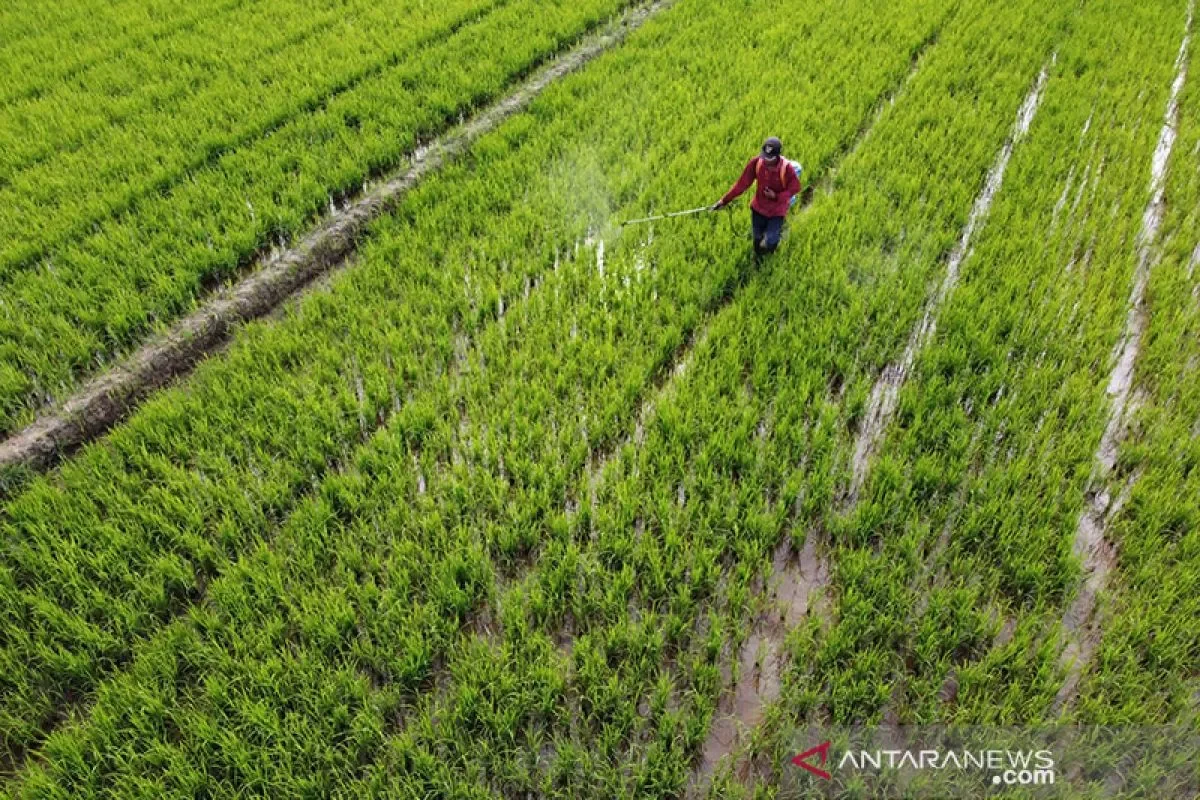
RRI.CO.ID, Jakarta - Indonesia’s farming sector is showing stronger resilience, with July’s Farmer Exchange Rate (NTP) rising to 127.84, signaling improved purchasing power and sustained welfare.
The Central Bureau of Statistics (BPS) reported the figure marked a 0.15 percent increase from June 2026, driven by lower production costs compared to the decline in crop prices.
BPS Deputy for Distribution and Services Statistics Ateng Hartono explained that the July increase occurred because the Index of Prices Paid (Ib) by farmers fell more sharply (‑0.25 percent) than the Index of Prices Received (It) (‑0.10 percent).
“NTP reflects farmers’ purchasing power. The July rise shows their ability to exchange agricultural output for household and production needs improved compared to the previous month,” he said in a BPS’s official release on Monday, August 3, 2026, as quoted on the Indonesian Agriculture Ministry's official website.
The national NTP gain was supported by stronger performance in subsectors. Smallholder plantation crops posted the highest increase at 1.67 perceny, followed by food crops at 1.32 percent.
Rising prices of rice and secondary crops lifted food crop NTP, while higher cocoa and palm oil prices boosted plantation NTP.
Cumulatively, farmer welfare has remained positive throughout the year. From January to July 2026, the national NTP averaged 126.13, up 2.98 percent year‑on‑year. In July alone, 26 of 38 provinces recorded increases, with Southeast Sulawesi leading at 8.89 percent.
Agriculture Minister Andi Amran Sulaiman welcomed the trend, noting it reflects the impact of accelerated programs by the Ministry of Agriculture.
These include expanding planting areas, optimizing land use, rehabilitating irrigation, providing superior seeds, distributing farm machinery, and strengthening farmer assistance in production centers.
“We want farmers to prosper. The government is not only focused on boosting output but also ensuring that production delivers better economic value. When productivity rises and farm‑gate prices improve, farmer welfare will follow,” Amran said.
He stressed that strategic programs will continue to enhance productivity, reduce farming costs, expand market absorption, and stabilize commodity prices. These efforts aim to sustain the momentum of rising farmer welfare while reinforcing national food security. ***
News Recomendation
Memuat berita terbaru.....