



Indonesia Has Potential to Become the Epicenter of Global Islamic Civilization
- 28 Jul 2026 11:53 WIB
- Voice of Indonesia
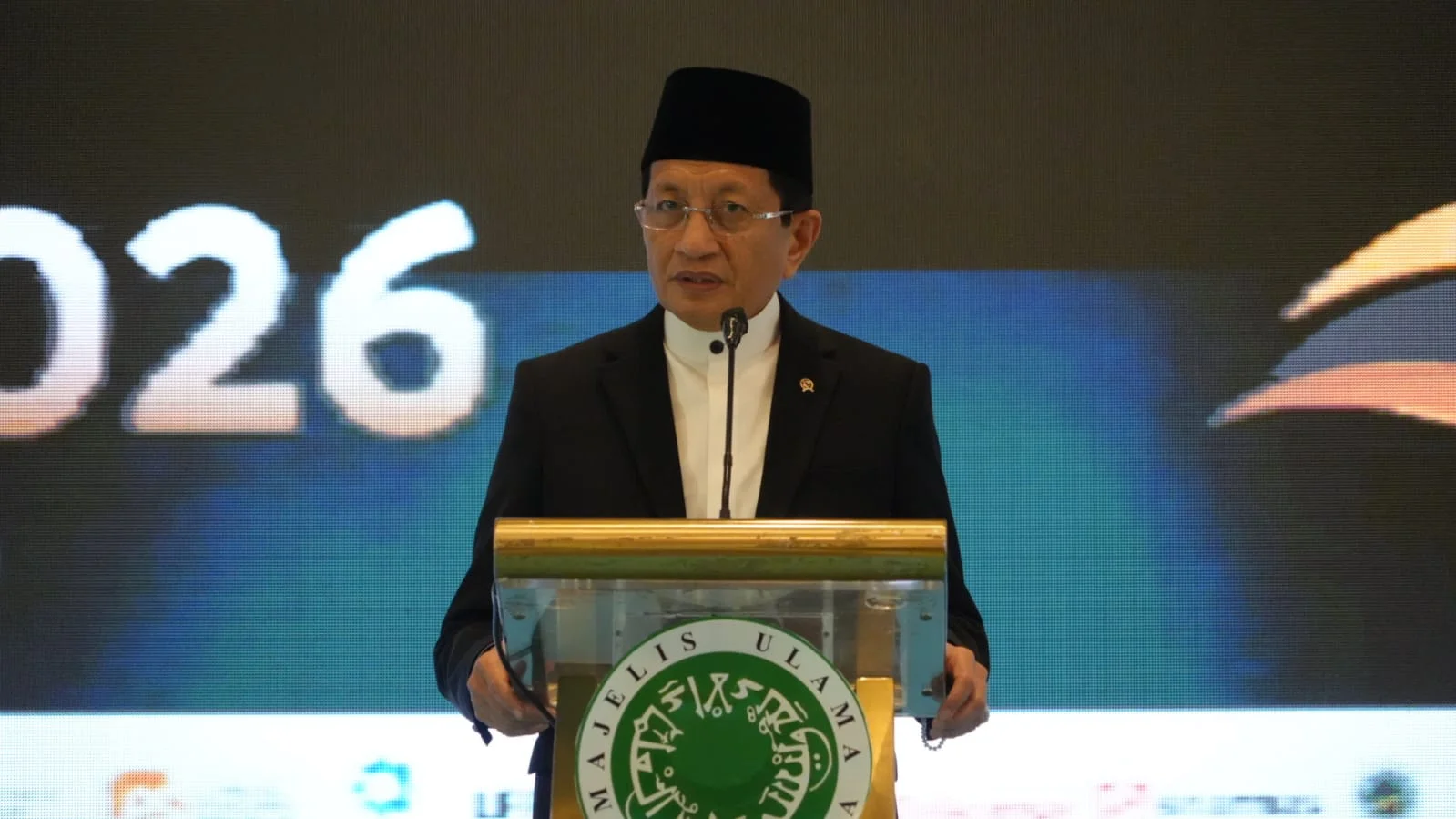
RRI.CO.ID, Jakarta - Minister of Religious Affairs, Nasaruddin Umar, urged Indonesian Muslims to take a strategic role as the epicenter of global Islamic civilization in the future. He also emphasized the importance of strengthening Islamic economic literacy within the community.
The Minister of Religious Affairs made this statement while delivering remarks at the closing of the 8th Indonesian Muslim Congress (KUII) and the 51st anniversary of the Indonesian Ulema Council (MUI) in Jakarta on Sunday, July 26, 2026. According to him, Indonesia's position as a center of Islamic civilization is supported by solid national economic stability and a conducive socio-political climate compared to the dynamics in the Middle East.
The Minister of Religious Affairs explained that amid global uncertainty and economic downturns in several conflict-ridden Muslim countries, Indonesia has recorded excellent macroeconomic performance. Indonesia's inflation has remained low at around 1–2 percent, with economic growth reaching 5.2 percent.
The Minister of Religious Affairs stated that regions rife with conflict tend to produce generals, while societies living in peace tend to produce professors and Islamic scholars. He urged all parties to maintain this peace, as Indonesia has a significant opportunity to become the epicenter of Islamic world civilization in the future.
Despite possessing strong social and economic capital, the Minister of Religious Affairs critically noted that awareness of sharia economics in Indonesia is not yet commensurate with the size of the Muslim population. Of Indonesia's 240 million Muslim population, awareness and involvement in sharia economics is only around 7.5 percent, far below Malaysia's 27 percent, despite its Muslim population of only 20 million.
The Minister of Religious Affairs revealed that in the nearly two decades since Islamic banking was introduced in Indonesia, its market share remains below 10 percent. He emphasized the need for a collaborative, non-economic approach to holistically improve the economic quality of the people.
According to the Minister, increasing sharia financial literacy cannot simply rely on technical banking approaches; it requires cultural and religious breakthroughs, as well as massive education in Islamic boarding schools and educational institutions. He is optimistic that if the strengthening of the sharia economy is accelerated, coupled with a deep understanding of religion and national stability, Indonesia will excel not only in quantity but also in quality on the international stage.
News Recomendation
Memuat berita terbaru.....