



Poin Utama
- Creative Economy Ministry marked National Children’s Day to reinforce its commitment to building a safe creative ecosystem for children.
- Hexahelix collaboration is being implemented to achieve this goal, involving government, business, academia, communities, media, and financial institutions.
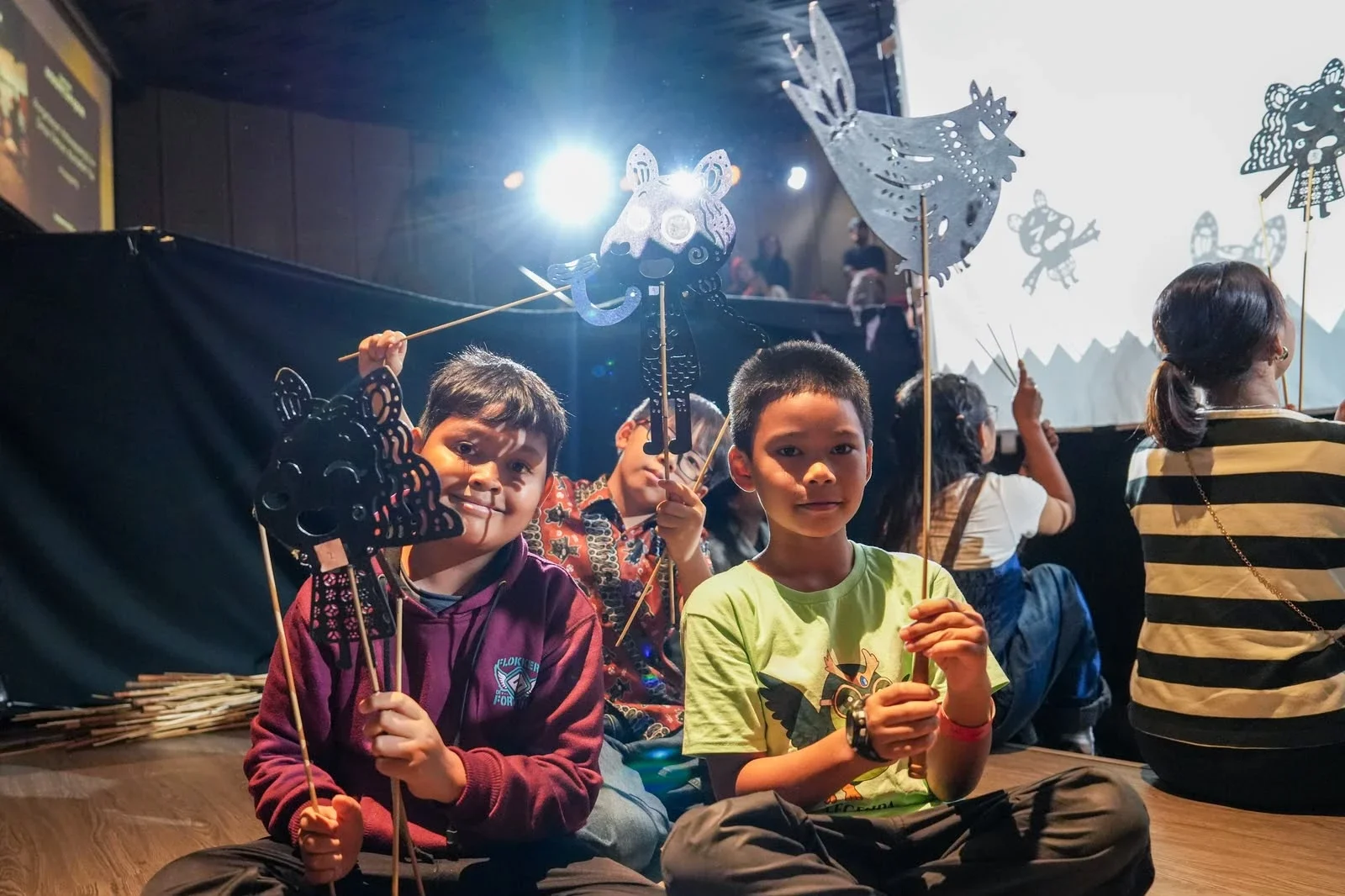
RRI.CO.ID, Jakarta - The Ministry of Creative Economy marked the 42nd National Children’s Day (HAN) by reinforcing its commitment to building a safe and inclusive creative ecosystem for children. The initiative aims to nurture creativity among the younger generation while preparing them as future talent for the creative economy.
In line with the 2026 HAN theme, Love Children, Protect and Build the Future (Sayang Anak, Lindungi dan Bangun Masa Depan), the Ministry emphasized that fulfilling children’s rights, ensuring protection, and encouraging participation are vital components in developing the creative economy as a new engine of growth.
Creative Economy Minister Teuku Riefky Harsya said National Children’s Day serves as a reminder that one of the nation’s key investments is ensuring every child can learn and contribute toward achieving Golden Indonesia 2045.
“The Ministry remains committed to establishing child‑friendly creative hubs so Indonesia’s young talents can grow into an innovative generation -- from local champions to national champions and ultimately globally competitive,” Minister Riefky said during a visit to Sekolah Rakyat Menengah Pertama (SRMP) in Kendari, Southeast Sulawesi, as quoted on the Ministry’s official website on Thursday, July 23, 2026.
To achieve this goal, the Ministry is implementing a hexahelix collaboration involving local administrations, businesses, academia, communities, the media, and financial institutions.
The collaboration also supports the National Movement #Child‑FriendlySafeComfortable (Gerakan Nasional #RamahAmanNyamanAnak or GERNAS #RANA), which promotes creative spaces free from discrimination and child exploitation.
Deputy Minister of Creative Economy, Irene Umar, stressed that the creative economy not only generates economic value but also fosters sustainable social value through education, cross‑sector collaboration, and new opportunities for creative practitioners.
“The Ministry consistently ensures the creative ecosystem grows by fostering creativity, valuing diversity, and building children’s character to prepare them for future challenges,” Irene said.
Data from the 2025 Indonesian Children’s Profile, released by the Ministry of Women’s Empowerment and Child Protection, shows that Indonesia has 79.9 million children, representing 28.38 percent of the total population.
Meanwhile, data from the Central Bureau of Statistics (BPS) indicates that the creative economy sector will employ 27.4 million workers by 2025, equivalent to 18.7 percent of the national workforce.
Consequently, fostering creativity, digital literacy, and safe spaces for self‑expression is considered essential to prepare a creative generation capable of competing globally. ***
News Recomendation
Memuat berita terbaru.....