



House Urges Stricter Animal Health Checks Ahead of Eid al-Adha
- 05 Mei 2026 12:52 WIB
- Voice of Indonesia
Poin Utama
- The House of Representatives’ Commission IV is urging the government to strengthen health inspections of sacrificial animals ahead of Eid al-Adha 2026.
- The lawmaker warned that negligence in oversight would not only be economically detrimental but could also undermine the legitimacy of the ritual.
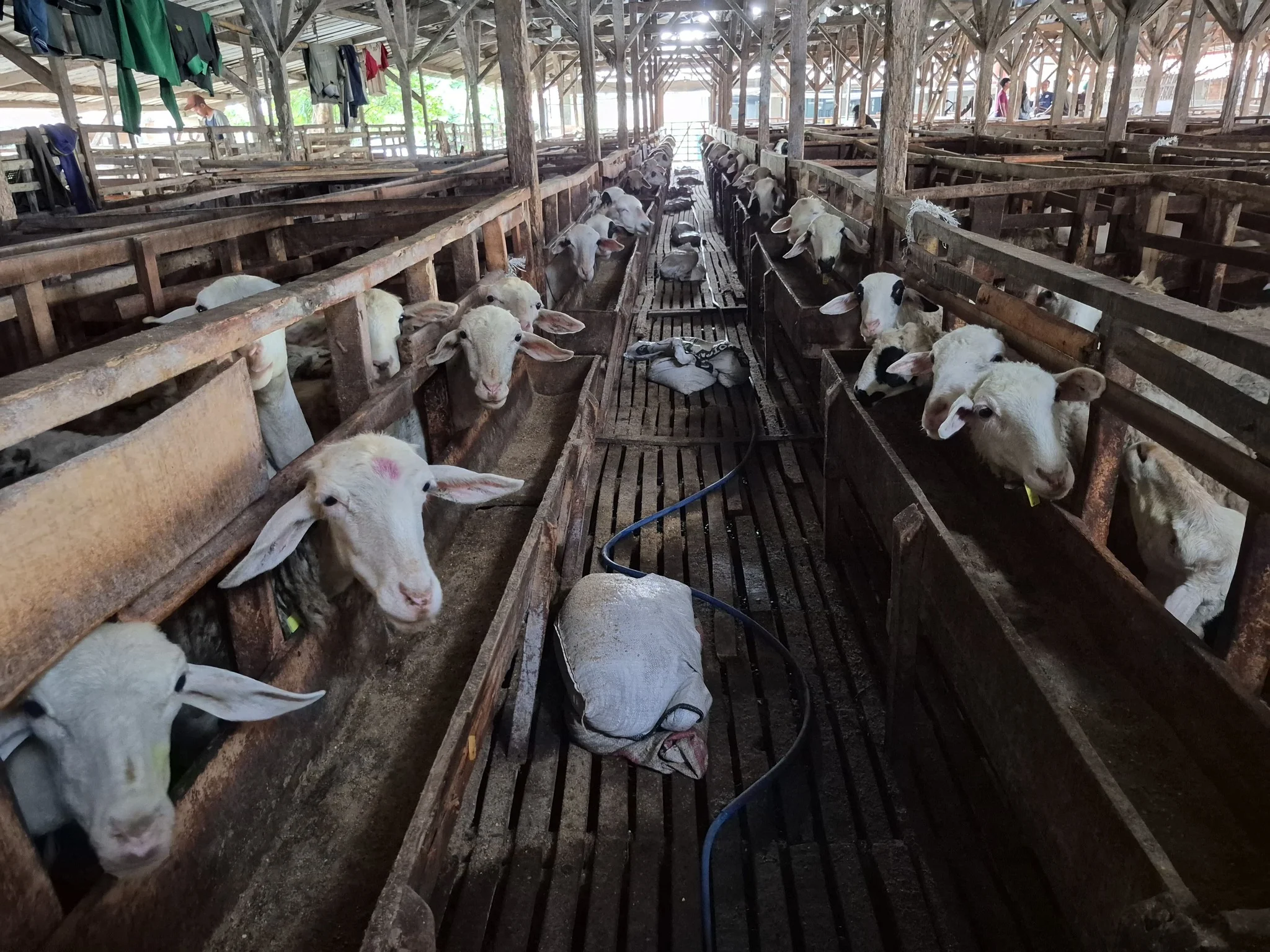
RRI.CO.ID, Jakarta – A lawmaker from the House of Representatives’ Commission IV, Hindun Anisah, has urged the government to tighten health inspections of sacrificial animals ahead of Eid al-Adha (Feast of Sacrifice) 2026. The call comes amid lingering concerns over Foot-and-Mouth Disease (FMD), which continues to threaten cattle, goat, and sheep populations.
“The spread of FMD is feared to reduce the quality of sacrificial meat, disrupt the livestock distribution chain, and undermine public confidence in national food security,” Hindun said in a press statement in Jakarta on Tuesday, May 5, 2026.
She warned that weak oversight could increase the circulation of animals unfit for consumption. The impact, she added, would not only be economically damaging but could also compromise the legitimacy of the sacrificial ritual.
“According to Sharia and health regulations, sacrificial animals must be active, have a good appetite, and be free from physical defects. They must be completely free from disease to ensure they are safe for public consumption during the slaughter process,” Hindun said.
She called on local administrations to take preventive measures early through the relevant agencies. Comprehensive inspections at livestock markets and stricter controls on inter-regional distribution are considered crucial.
“Every sacrificial animal must also carry a health certificate from a veterinarian. Local authorities should tighten inspections of livestock traffic between regions to detect early cases of FMD,” she said.
Meanwhile, the Jakarta Quarantine Agency has assured that cattle entering the Greater Jakarta area are certified healthy. The agency’s head, Amir Hasanuddin, explained that all animals undergo biosecurity protocols, health document verification, and physical examinations by veterinarians before distribution.
“Inter-regional monitoring is key to preventing the spread of animal diseases. We ensure all documents are complete and the animals are in prime physical condition before release,” Amir said.
According to data from the BEST TRUST system, around 2,560 cattle entered Greater Jakarta between January and April 2026. Rising demand ahead of Eid al-Adha has prompted more intensive monitoring.
The Jakarta Quarantine Agency has also deployed officers at various entry points around the clock to ensure all animals are free from infectious diseases. (Gusti Panji/Lasti Martina)
News Recomendation
Memuat berita terbaru.....