



Hormuz Disruption Highlights Need for Indonesia’s Energy Transition
- 23 Agt 2026 14:31 WIB
- Voice of Indonesia
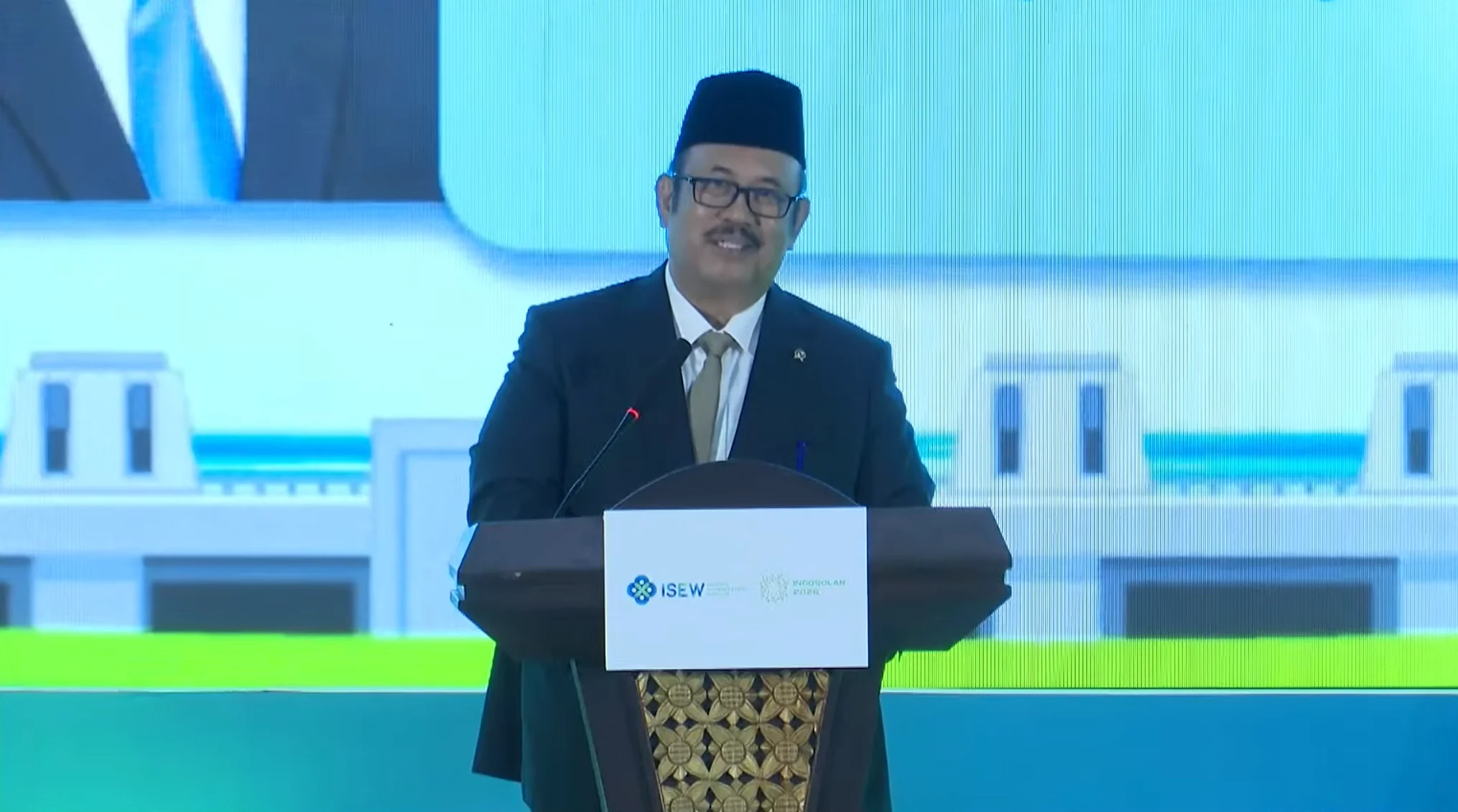
RRI.CO.ID, Jakarta — Indonesia and Germany have emphasized the importance of accelerating the energy transition while strengthening energy security. German Federal Minister, Reem Alabali Radovan, stated in Jakarta on Wednesday, August 19, 2026, that global disruptions highlight the risks of continued dependence on fossil fuel imports.
Speaking at the Indonesia Sustainable Energy Week (ISEW) 2026, Radovan highlighted the USD 20 billion Just Energy Transition Partnership (JETP) being mobilized for Indonesia’s energy transition. She also linked recent disruption around the Strait of Hormuz to the vulnerability of energy systems that rely heavily on fossil fuel imports.
“The closure of the Strait of Hormuz has made it very clear that these goals are closely linked to clean energy. It shows how vulnerable our energy systems are when they depend heavily on fossil fuel imports,” she said.
Vice Minister of Energy and Mineral Resources, Yuliot Tanjung, said Indonesia-Germany energy cooperation has received more than 2.3 billion euros in cumulative support. Indonesia is also targeting an 18 to 21 percent share of new and renewable energy in its energy mix by 2026.
Tanjung said at the event that Indonesia has significant renewable energy potential, although its utilization remains limited.
“Indonesia possesses a new and renewable energy potential around 3,600 gigawatts comprising solar, hydropower, and geothermal sources yet actual utilisation stands at 16 gigawatts or less than 0.5 percent,” he said.
Indonesia is pursuing several programs to expand renewable energy and electrification, including a 100-gigawatt solar power program. Along with the electrification of 10,000 villages across 36 provinces, and the conversion of 6 million fuel motorcycles to electric motorcycles.
Supporting the energy program, Minister of National Development Planning and Head of the National Development Planning Agency, Rachmat Pambudy, said Indonesia’s energy transition must strengthen national independence rather than create new forms of dependence.
“The energy transition should not create new forms of dependency. It should strengthen Indonesia’s energy independence, technological capacity, industrial competitiveness, and human capital,” Pambudy said.
Pambudy also linked the energy transition to Indonesia’s long-term development ambitions toward 2045, including higher income, stronger manufacturing and lower greenhouse gas emissions.
“And we aim to reach a gross national income per capita of more than US$30,000, increase manufacturing to 26% and 28% of GDP, bring extreme poverty close to zero, and significantly reduce greenhouse gas emissions on our pathway towards net zero emissions,” Pambudy said.
He emphasized that energy will play a central role in determining where industries develop, where investment flows and where jobs are created, while stressing the importance of ensuring that economic benefits are distributed more evenly across Indonesia’s archipelago.
“And for the benefit of all the countries in the world. Our transition, therefore, needs to move stages until 2029,” he said.
News Recomendation
Memuat berita terbaru.....