



Ginger Powers Indonesia's Traditional Medicine Revival
- 07 Sep 2026 09:45 WIB
- Voice of Indonesia
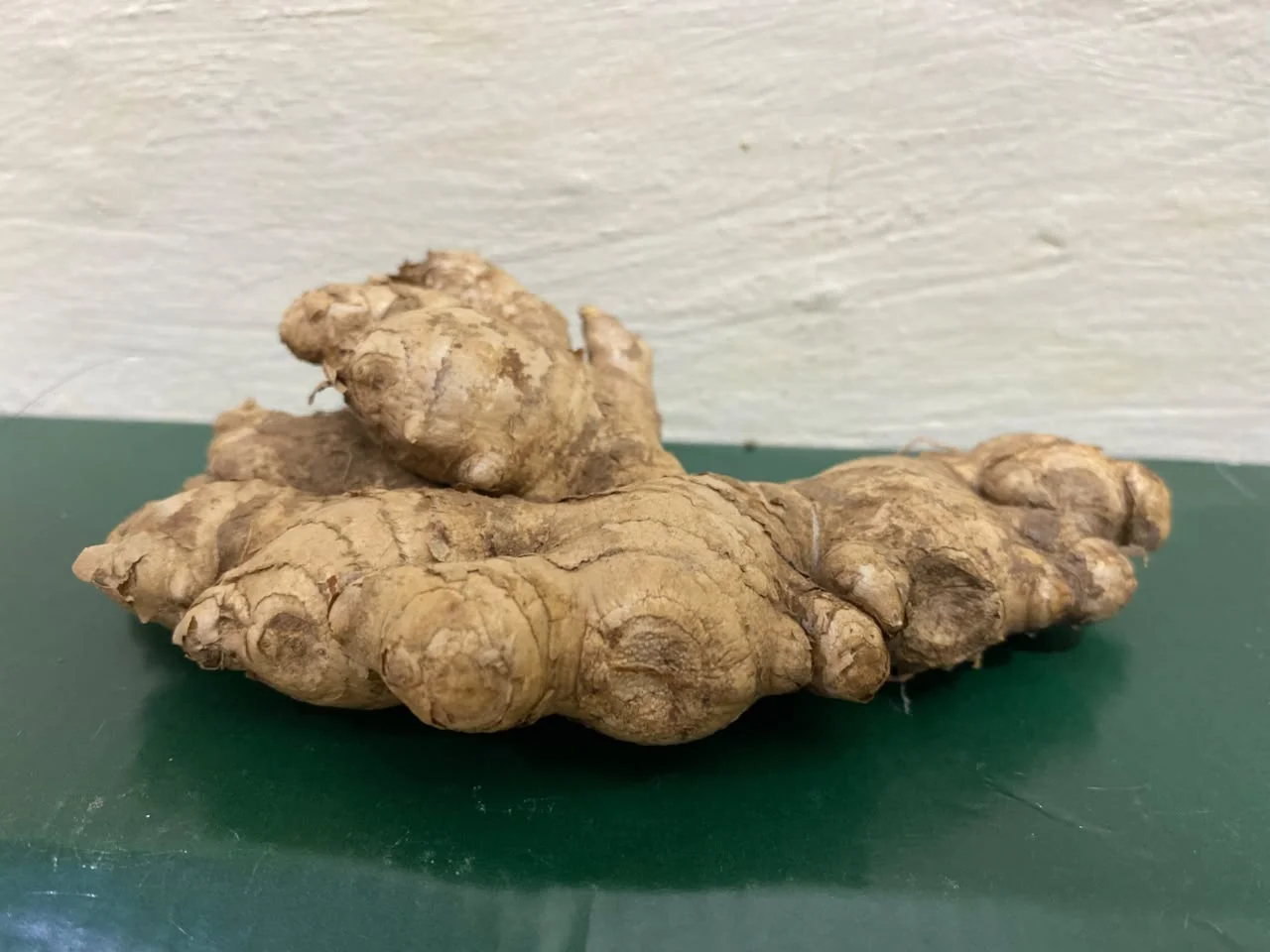
RRI.CO.ID, Jakarta - Ginger (Zingiber officinale) is increasingly trusted by Indonesian communities as a go-to traditional remedy for a wide range of ailments, from colds and inflammation to boosting the immune system. This finding comes from a literature review published in the Proceedings of SEMNAS BIO 2021 by Egy Ray Syaputri, Ganda Hijrah Selaras, and Siska Alicia Farma of Universitas Negeri Padang.
The study highlights zingiberol, a compound in ginger that functions as an anti-inflammatory agent and a powerful antioxidant, making the rhizome one of the most enduring pieces of hereditary medicine still relied upon today, particularly in rural areas.
Nutritionally, ginger offers more than just flavor. In its raw, unprocessed form, ginger contains 4.8 calories, 1.07 grams of carbohydrates, 0.12 grams of fiber, 0.11 grams of protein, 0.05 grams of fat, and 0.1 grams of sugar. It also supplies iron, potassium, vitamins B3 and B6, vitamin C, magnesium, phosphorus, zinc, folate, riboflavin (vitamin B2), and niacin (vitamin B3), a combination that supports anti-inflammatory effects, helps prevent skin problems, aids weight loss, eases nausea and pain, and helps detoxify the body.
| Baca juga: Stay Fresh and Healthy with Water Apples |
Public trust in traditional remedies like ginger is not without reason. According to survey data cited by the researchers from a study conducted in Sindrujan Village, Purworejo Subdistrict, Purworejo Regency, the top reason respondents chose traditional medicine was ease of access, cited by 44.4 percent, followed by fewer side effects at 30 percent, lower cost at 12.3 percent, effectiveness at 8 percent, and habit at 5 percent. These findings confirm that accessibility and a lower risk of side effects are the main factors driving people away from chemical drugs.
Botanically, ginger is a rhizome plant with a pseudostem that grows 30 to 100 centimeters tall. Its rhizome is yellowish green or reddish with a distinctly pungent aroma, its leaves are pinnate and 15 to 23 centimeters long, and its flowers are oval-shaped and yellowish green. Two varieties are commonly recognized: red ginger, with a reddish rhizome, and common ginger, which is yellowish brown. Both are considered to offer comparable health benefits.
Interestingly, despite being deeply woven into Indonesian culture, ginger is not actually native to the archipelago. Some sources trace its origin to India, while others believe it came from China, given the large number of ginger farmers and Chinese herbal remedies that use the plant. Regardless of its origin, Indonesia's fertile soil has allowed ginger to grow quickly and produce high-quality rhizomes, leading many households to cultivate it on large plots, small plots, or even in pots on their home terraces.
In practice, people process ginger in several ways, including boiling, roasting to release its essential oils, drying, grinding, and extracting it into capsules. It is also commonly turned into drinks such as sekoteng, wedang jahe, ginger coffee, ginger tea, and bandrek. Beyond consumption, ginger is used in aromatherapy to relieve stress, thanks to gingerol, which helps clear harmful chemicals the body produces under anxiety, and as a natural deodorant ingredient because of its gingerol and essential oil content.
Ginger's benefits are said to multiply when combined with other natural ingredients. Ginger steeped with garlic in warm water is believed to help treat infections, pairing ginger's antimicrobial and anti-inflammatory properties with garlic's ability to protect the body from viruses and bacteria. Ginger mixed with honey is thought to strengthen the immune system while calming the mind, and a detox drink of ginger and lemon is believed to aid digestion, support liver function, and help reduce excess body weight.
This trend aligns with Indonesia's status as the country with the second-largest biodiversity in the world after Brazil, home to more than 1,000 plant species with potential as raw materials for medicine. Rising prices for synthetic drugs, along with their long-term side effects such as infection risk, complications, and weakened immunity, have pushed many Indonesians back toward traditional remedies drawn from local natural resources.
With its rich nutritional profile and ease of processing, ginger looks set to remain a household staple, both for everyday home use and as a commodity manufactured into capsules, powders, and dried products for domestic and international markets.
News Recomendation
Memuat berita terbaru.....