



Indonesian Govt to Intensify End-To-End Prevention to Reduce Stroke Cases
- 11 Jul 2026 23:13 WIB
- Voice of Indonesia
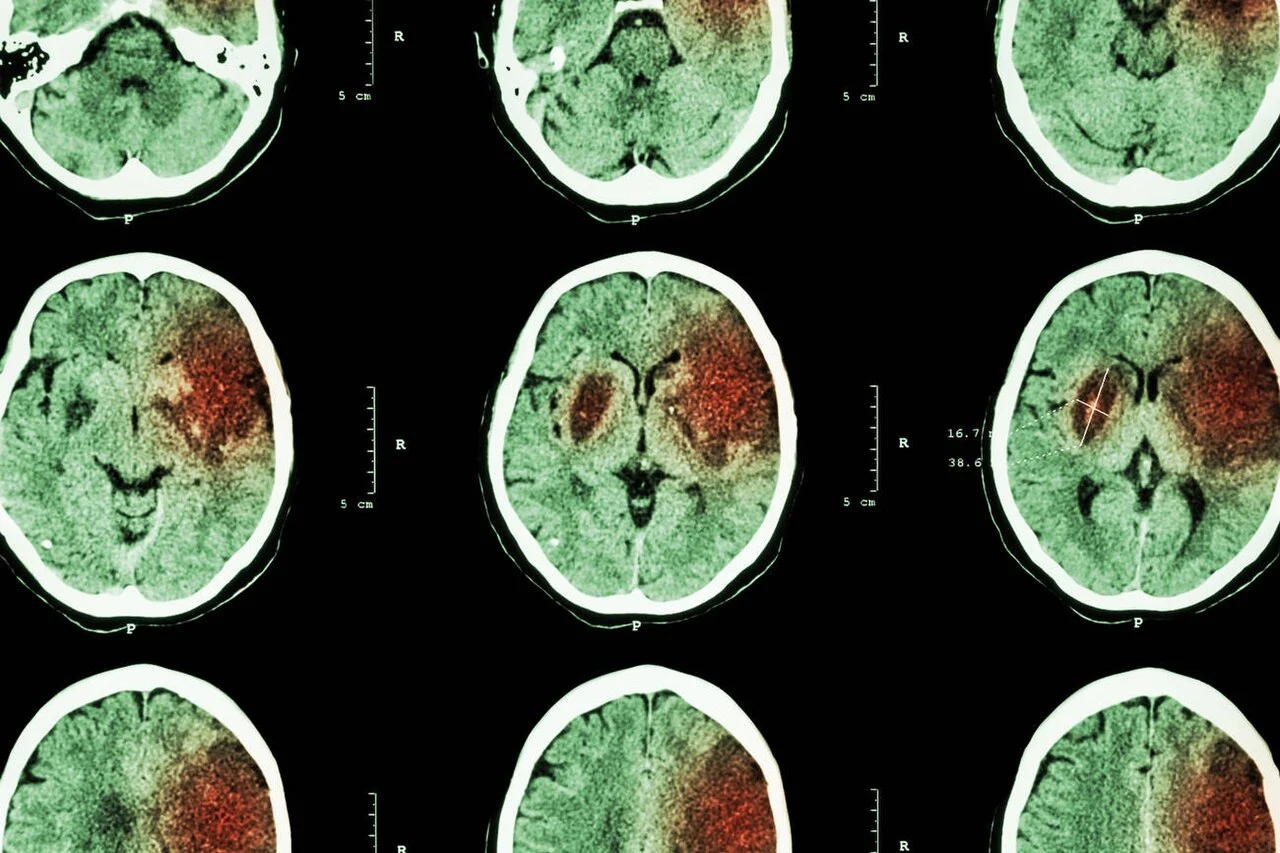
RRI.CO.ID, Jakarta - The Indonesian government is shifting its focus on health care by intensifying upstream prevention efforts to reduce the rate of stroke cases in Indonesia. Through the Free Health Check Program (CKG), the government aims to reach 130 million people this year, after recording 70 million check-ups in its first year of implementation.
This preventive measure was taken in response to the high fatality rate of stroke, which is now the leading cause of death in Indonesia, with deaths reaching approximately 337,000 people annually. This, according to Indonesia's Ministry of Health on Friday, July 10, 2026, surpasses deaths from heart disease and cancer.
The country's Minister of Health, Budi Gunadi Sadikin, stated that the mass screening program is targeted to reach 280 million people, about 80 percent of the population, within the next five years. The primary focus is on early detection of hypertension, diabetes, and high cholesterol, which are major risk factors for stroke.
"The prevalence of hypertension in Indonesia is almost 20 percent, and diabetes is more than 10 percent. Rather than waiting until a stroke occurs, we must control these risk factors as early as possible," said Budi while giving a speech at the Indonesia Collaborative Neuro-Networks Summit (ICONNS) 2026 in Jakarta on Friday.
The government is implementing an 80-80-80 tactical approach. In this model, 80 percent of the population is identified, 80 percent of those identified receive treatment, and 80 percent of those treated successfully control their health condition.
Minister Budi added that the actual number of stroke deaths in the field is estimated to be two to three times higher because many cases in various regions are still not recorded in the national registration system. Stroke also represents the third-largest healthcare cost burden in the National Health Insurance (JKN) Program, with total claims exceeding Rp5 trillion (about US$276.5 million) annually.

"Every year, around 300,000 people die from strokes. I am personally involved because my own mother had a stroke when she was 70. At that time, CT scans weren't even available in our city, so she had to be taken to another city, and it was too late. My mother was paralyzed for nine years," Budi continued.
Therefore, on the downstream side, or emergency response, the government is also accelerating facility readiness by targeting all 514 districts/cities to have CT scan and cath lab facilities. Accelerating the provision of these services is considered crucial because stroke treatment is highly dependent on speed.
In addition to strengthening facilities, the competence of medical personnel is also being promoted, with general surgeons at the city/regency level being trained to perform craniotomy procedures to evacuate hematomas in hemorrhagic stroke cases. Meanwhile, at the provincial level, the government is preparing Cavitron Ultrasonic Surgical Aspirators (CUSA), neuronavigators, and operating microscopes in all 38 provinces, aligning with the government's target of increasing life expectancy from 72 to 76 years within the next five years.
These preventive measures and service strengthening are supported by the ICONNS 2026 forum, which took place on July 8-12, 2026. The forum, themed " Strategic Shift: Multidisciplinary Neuro-Care Synergy in Neuro-Oncology, Vascular, Spine, & Critical Care," became an international consolidation event that brought together around 300–400 neurologists, neurosurgeons, radiologists, anesthesiologists, and nurses from home and abroad.
The President Director of Prof. Dr. dr. Mahar Mardjono National Brain Center Hospital in Jakarta, Adin Mulkasana, affirmed that the treatment of neurological diseases such as stroke continues to improve, and its characteristics require speed of diagnosis and multidisciplinary synergy. Located in South Jakarta, the public hospital specializes in neurology and neurosurgery.
"Through ICONNS 2026, we are establishing uniform clinical standards across all regions. This multidisciplinary synergy is key to reducing the death rate and permanent disability due to stroke in Indonesia," Adin said.
News Recomendation
Memuat berita terbaru.....