



Taman Kili-Kili Beach Protects Turtles Through Conservation and Education
- 30 Sep 2026 17:13 WIB
- Voice of Indonesia
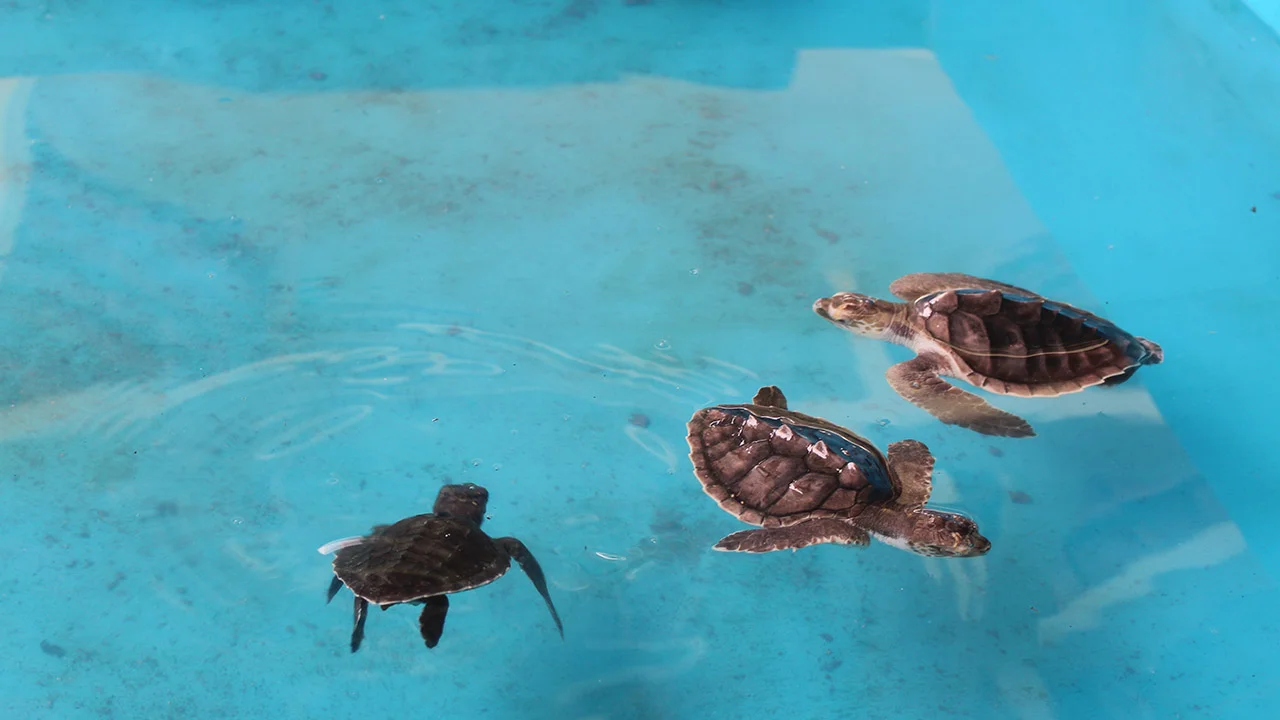
RRI.CO.ID, Trenggalek - Taman Kili-Kili Beach combines coastal tourism with turtle conservation and environmental education in East Java. Located in Wonocoyo Village, Panggul District, the beach lies about 54 kilometers from Trenggalek city.
The conservation area was established as a turtle breeding and protection site, supporting nesting turtles along the southern Java coast. Visitors can enjoy the beach’s soft sand and sunsets while learning about local turtle conservation efforts.
Four turtle species are reported to frequently nest at Taman Kili-Kili, including olive ridley, leatherback, hawksbill, and green turtles. Visitors may also have the opportunity to release hatchlings into the open sea under conservation programs.
In 2025, the Kili-Kili Community Monitoring Group rescued more than 12,600 turtle eggs from nesting sites. Around 12,400 hatchlings were successfully hatched, although rescued egg numbers vary annually due to natural conditions.
The conservation area also provides opportunities for visitors to learn about the turtle egg incubation process. With an admission fee of Rp5,000 per person, the destination provides accessible educational tourism for the community.
Local community involvement remains an important part of conservation activities at Taman Kili-Kili. Residents help protect turtle nests and educate visitors about the importance of protecting coastal ecosystems.
Educational programs are also available for children from kindergarten through elementary school. Activities include planting trees, learning about beach cleanliness, and developing environmental awareness through hands-on experiences.
Visitor facilities include bathrooms, a prayer room, and areas for relaxation around the conservation site. Managers also plan to provide glamping facilities outside the turtle nesting season without disrupting the animals’ natural cycle.
Taman Kili-Kili shows how coastal tourism can support wildlife conservation and environmental education. Continued support from communities and other stakeholders remains important for protecting its turtle population and coastal habitat.
News Recomendation
Memuat berita terbaru.....