



Government Builds Wastewater Treatment Plant for SMEs in South Kalimantan
- 30 Agt 2026 23:30 WIB
- Voice of Indonesia
Poin Utama
- The Indonesian government is building a Wastewater Treatment Plant (IPAL) using green technology for small and medium-sized enterprises (SMEs) in South Kalimantan to reduce environmental pollution.
- The facility allows local traditional Sasirangan textile SMEs to reuse around 90 percent of treated wastewater, boosting operational efficiency while maintaining environmental sustainability.
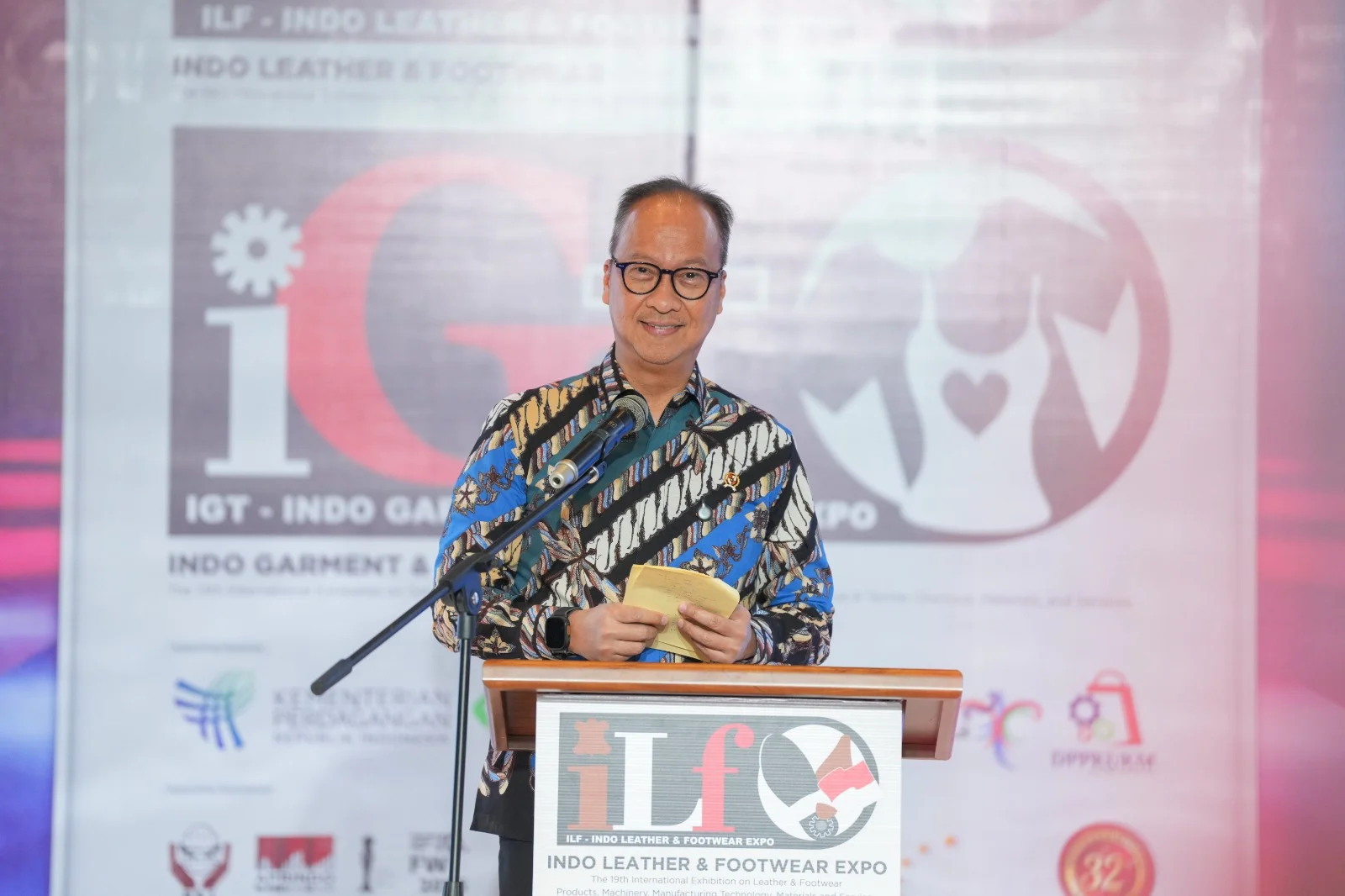
RRI.CO.ID, Jakarta — The Indonesian government continues to strengthen the competitiveness of small and medium-sized enterprises (SMEs) by building a green technology-based Wastewater Treatment Plant (IPAL) in South Kalimantan. This strategic step was taken to ensure that local economic growth goes hand in hand with sustainable environmental protection.
The waste treatment facility was specifically built for traditional Sasirangan textile SMEs in Tapin Regency through the Industrial Technology Enhancement Partnership Fund (DAPATI) Program. The presence of this facility is expected to serve as a benchmark for eco-friendly industrial management that can boost international market confidence.
Minister of Industry Agus Gumiwang Kartasasmita emphasized that the transformation of the national industrial sector currently focuses on the application of fit-for-purpose technology. This step is essential to drive production efficiency while preserving the surrounding ecosystem of industrial centers.
“The Ministry of Industry continues to apply tailored technology that can increase the efficiency of the production process while strengthening environmental sustainability. This effort is an important part of fostering a national industry that is increasingly competitive, inclusive, and sustainable in line with green industry principles,” the Minister of Industry stated in Jakarta, as quoted from a written press release on Thursday, 27 August 2026.
The construction of this facility was prompted by the ongoing practice of discharging liquid waste from fabric dyeing directly into the ground without treatment. Through simple technological innovation utilizing local materials, wastewater treatment quality has now improved significantly and meets environmental quality standards.
“The DAPATI Program not only produces practical innovations, but also increases human resource capacity so that industrial actors can operate the technology independently and sustainably. Thus, the benefits of technology can continue to be felt in the long term,” Head of BSKJI Emmy Suryandari said.
In addition to preventing environmental pollution, around 90 percent of the treated water can now be reused to support production operations. This efficiency proves that implementing green industry principles can deliver tangible positive impacts on the sustainability of small businesses in the region.
News Recomendation
Memuat berita terbaru.....