



Water Hyacinth, a Wild Flower that Holds a Wealth of Traditional Medicinal Benefits
- 09 Agt 2026 22:03 WIB
- Voice of Indonesia
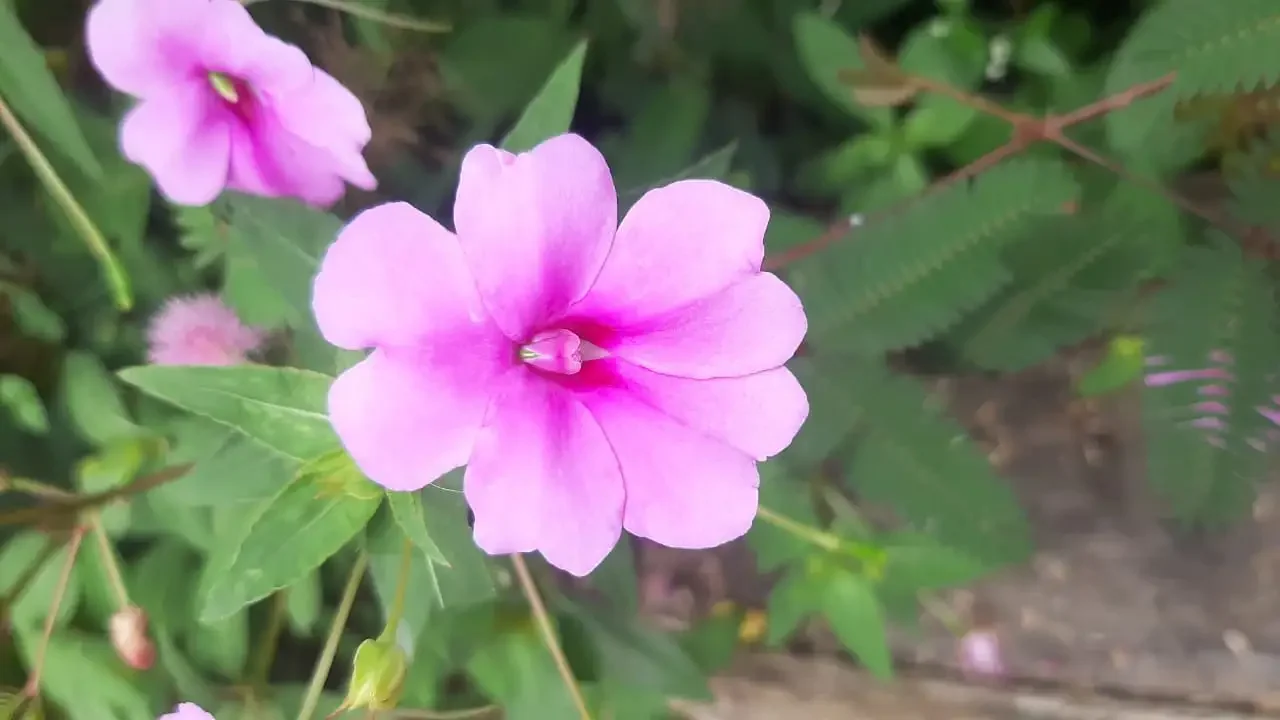
RRI.CO.ID, Jakarta - The water balsam flower, scientifically known as Impatiens, turns out to have great potential as a traditional medicinal ingredient that has not yet been fully utilized. This semi-succulent herbaceous plant contains active compounds such as flavonoids, anthocyanins, kaempferol, and phenolic compounds that are distributed throughout all parts of the plant.
The compounds in it are believed to be able to reduce swelling, skin inflammation, and even help heal broken bones and boils. In addition, water chestnut has also been used for generations to treat leucorrhea, high blood pressure, rheumatism, back pain, stomach pain, and even jaundice.
Globally, the genus Impatiens has around 1,300 species, with centers of genetic diversity spread across Africa, Madagascar, India, Sri Lanka, the Himalayas, and Southeast Asia. Of this number, about 250 species are found in Southeast Asia, making this region one of the centers of biodiversity for this plant in the world.
This plant generally thrives in tropical and subtropical regions at altitudes between 50 to 1,250 meters above sea level. Watercress requires a humid environment to thrive and cannot survive in dry and arid areas.
Another uniqueness of this plant lies in the variation of colors and flower shapes that differ in each region of its distribution. Some areas are dominated by purple and white colors, while in other regions, a much more diverse variety of colors and flower shapes can be found.
Interestingly, some types of watercress are able to grow in the crevices of dry rocks, a rare ability that makes them potentially developable into drought-resistant varieties. Such adaptive characteristics make watercress an interesting candidate for future plant breeding research.
Although it has high ecological and medicinal potential, the existence of water spinach in the wild is often threatened due to lack of attention and land conversion. In fact, with its genetic uniqueness and diverse benefits, this plant has the potential to become an important biological resource that needs to be sustainably preserved.
News Recomendation
Memuat berita terbaru.....