



Indonesia Conserves Rare Agarwood Amidst Global Demand Surge
- 09 Agt 2026 22:16 WIB
- Voice of Indonesia
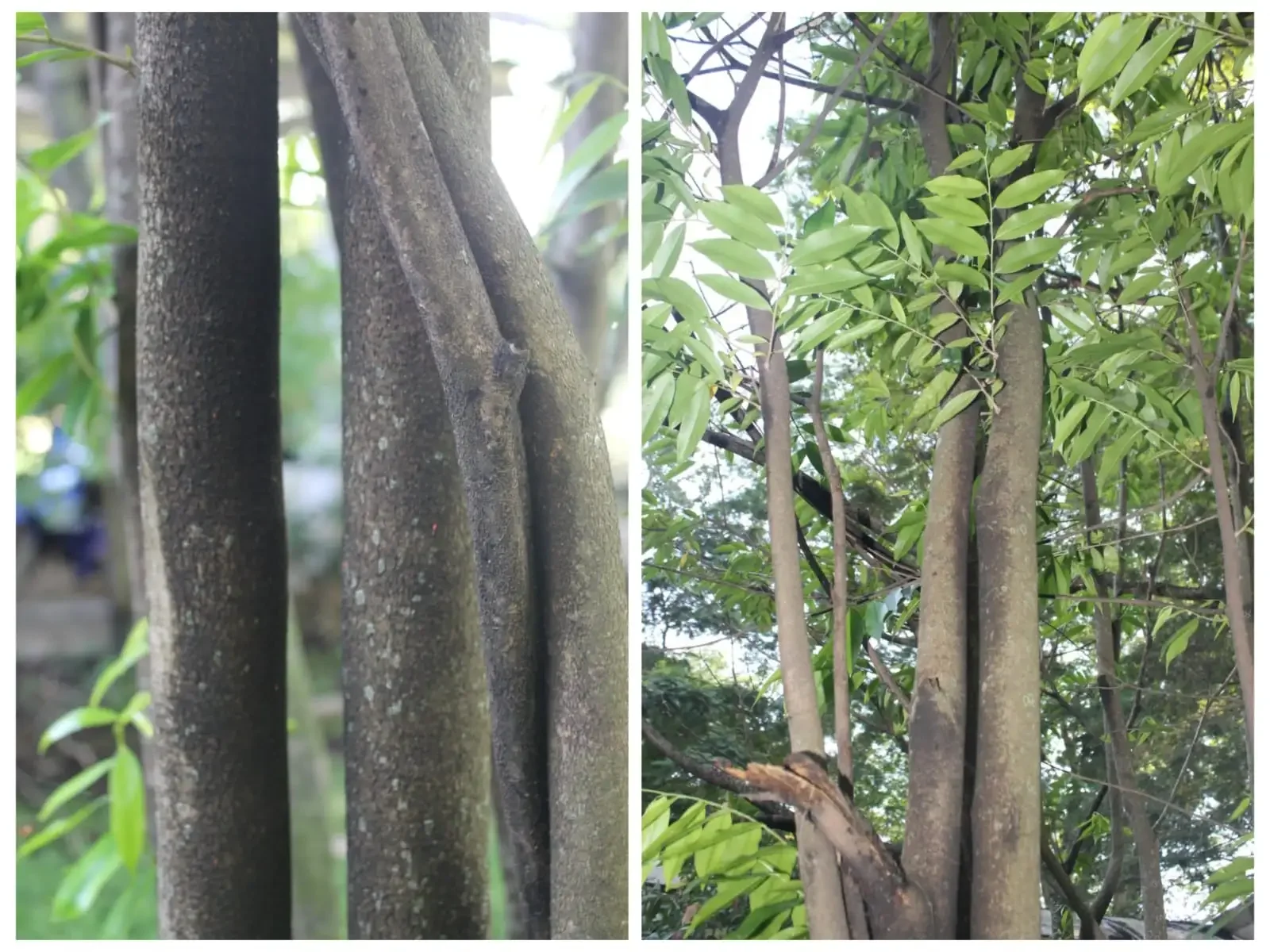
RRI.CO.ID, Jakarta - Researchers at Kebun Raya Purwodadi, East Java, are currently running a conservation program for agarwood (Gyrinops versteegii), a tree that produces aromatic resin which can reach USD 10,000 per kilogram in the global market. This effort has been carried out since 2021 in response to the declining population of the species in its natural habitat in eastern Indonesia.
Agarwood is an important raw material for the perfume, cosmetics, and pharmaceutical industries in various countries; thus, its demand remains high even though this species is classified as vulnerable. The high economic value is what fuels illegal logging without replanting, causing the adult agarwood population in the wild to continue to decline.
According to the Convention on International Trade in Endangered Species (CITES), Gyrinops versteegii is currently listed in Appendix II, a category for species that are not yet endangered but whose trade needs to be closely monitored. This status is the main reason why Indonesia's national research agency, BRIN, chose to conserve this species systematically.
BRIN researcher Ridesti Rindyastuti explained that the agarwood collection at the Purwodadi Botanical Garden is not just a set of plants, but a symbol of a larger conservation effort. "With its status listed in CITES, this species requires our collective attention to ensure that future generations can continue to enjoy the beauty and benefits it offers," she said.
To prevent extinction, botanical gardens implement ex-situ conservation, which involves maintaining plants outside their original habitat while preserving their genetic diversity. This method includes propagation, providing an optimal growing environment, monitoring pests and diseases, and routine care such as watering and pruning.
Currently, there are eight agarwood specimens being conserved in the area, all originating from various regions where this species is found in eastern Indonesia. This approach also allows for research on how to cultivate agarwood sustainably without damaging the natural forest.
The managers of the Purwodadi Botanical Garden hope that the community will participate through educational programs about the impact of excessive exploitation of agarwood. With public support and stricter international trade regulations, the population of Gyrinops versteegii is expected to remain sustainable while continuing to provide economic benefits to the local community.
News Recomendation
Memuat berita terbaru.....