



Small Sachet Packaging: A Global Pollution Threat That Continues to Be Ignored
- 11 Agt 2026 15:59 WIB
- Voice of Indonesia
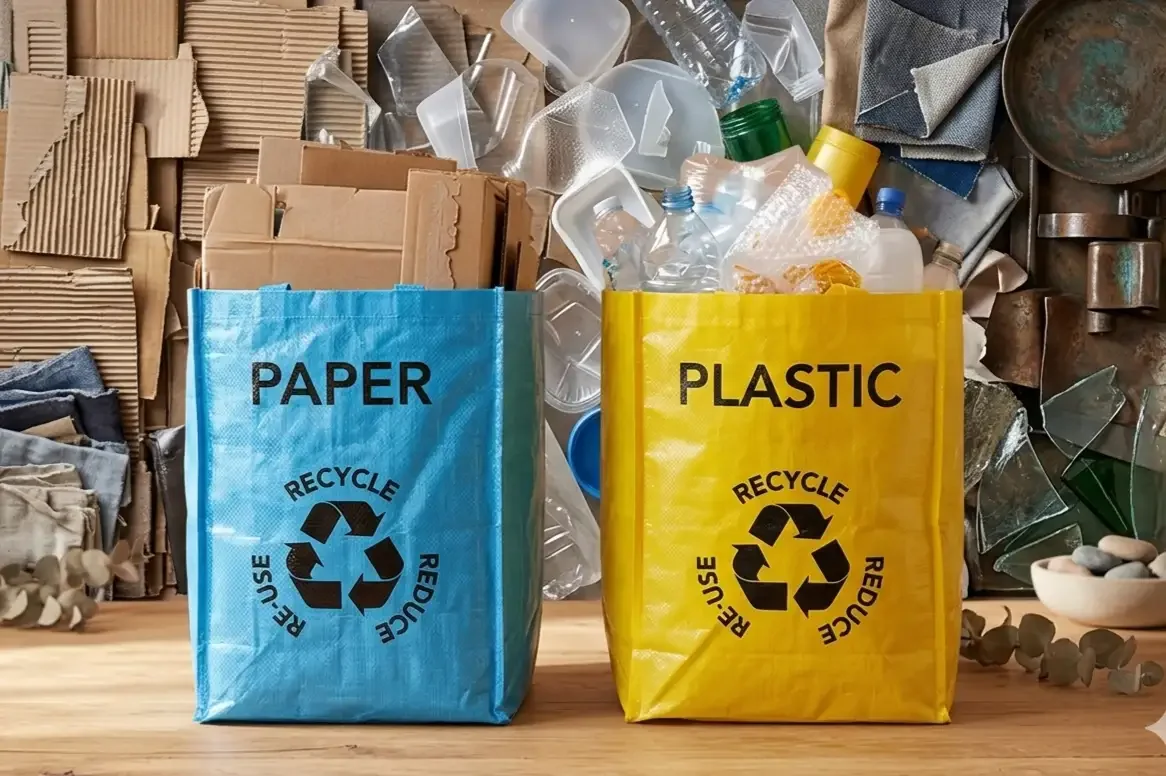
RRI.CO.ID, Jakarta – Small packaging items such as coffee sachets, instant noodle wrappers, and single-use shampoo packets have become major contributors to global plastic pollution. Researchers from Indonesia's National Research and Innovation Agency (BRIN) have revealed that this flexible packaging waste does not simply stay in trash bins; instead, it flows outward, polluting rivers and oceans across the globe.
A Research Professor at BRIN, Muhammad Reza Cordova, views packaging waste not merely as a local issue, but as part of a cross-border pollution chain linked by rivers and seas. "Waste simply moves from visible spaces to areas we ignore, eventually returning to us in the form of environmental pollution," Cordova said.
In many major cities worldwide, packaging waste disposal patterns are similar: waste travels from households to collection points, is carried by wind or water into drains and rivers, and ultimately empties into the ocean. This process repeats daily, often going unnoticed by the public and waste management authorities alike.
Flexible packaging is difficult to recycle because it has very low economic value and is too lightweight to attract the interest of waste collectors. Consequently, global waste management systems largely designed for high-value materials fail to address this small yet massive category of waste.
In response to the plastic crisis, many are advocating for replacing plastic with paper, a move considered more environmentally friendly. However, Cordova argues that this step fails to address the root cause as long as global single-use consumption patterns persist.
He adds that the key to resolving this issue lies in transforming production and consumption systems, rather than simply swapping packaging materials. "Replacing plastic with paper is not the ultimate solution. As long as we maintain a single-use mindset, any material will inevitably end up as waste in a short time," Cordova said.
Researchers are calling for cross-border collaboration among governments, industry, and the public to establish refill systems and incentive policies that support the reduction of single-use packaging. Without simultaneous systemic change at the global level, this small-format packaging crisis is expected to continue escalating and recur in different forms in the future.
News Recomendation
Memuat berita terbaru.....