



Indonesia Advances Semiconductor Tech via ITB E-Passport Chip
- 18 Sep 2026 13:48 WIB
- Voice of Indonesia
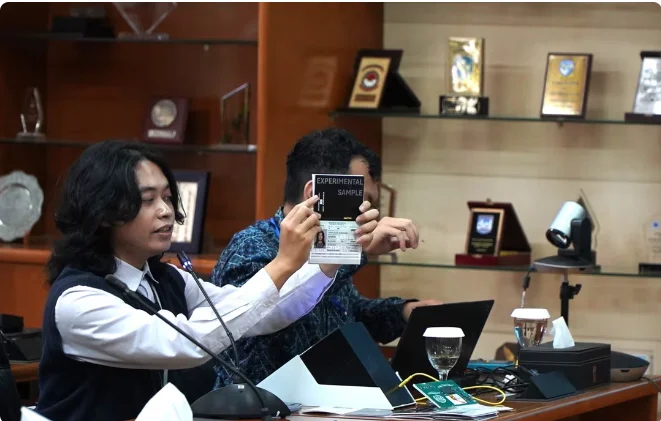
RRI.CO.ID, Bandung - Indonesia’s Ministry of Higher Education, Science, and Technology (Kemdiktisaintek), through its Directorate General of Research and Development, is encouraging stronger collaboration between universities and industry to develop the country’s semiconductor research and innovation ecosystem. One example is the electronic passport chip research and development project jointly developed by the Bandung Institute of Technology (ITB) and PERURI.
The collaboration was highlighted during the presentation and demonstration of the 2025–2026 electronic passport chip project at ITB in Bandung on Wednesday, 16 September 2026. The project is part of efforts to strengthen national capabilities in secure integrated circuit (secure IC) technology and develop chip technologies for strategic needs.
Director General of Research and Development Fauzan Adziman said semiconductor development should go beyond research activities and focus on translating research into commercial products that can eventually enter the global supply chain. “Our goal is for Indonesia to begin transitioning from being a user to becoming a developer of technology and becoming part of the global supply chain,” Fauzan said.
Although the research project has reached the prototype demonstration stage, several steps are still required before the technology can enter commercial production. PERURI and the ITB research team emphasized the need for further development, including more comprehensive testing and securing required certifications.
For the technology to be implemented in electronic passports, certification is required not only for the chip itself but also for supporting components, including the operating system and embedded applications. These stages are essential because electronic passport technology requires a high level of security and reliability.
Fauzan said Kemdiktisaintek is open to supporting the development of technologies that have clear industrial demand and designated commercial partners. He added that the electronic passport chip project is also part of efforts to build a stronger national semiconductor ecosystem while expanding the development of semiconductor talent through training and international partnerships with universities and technology companies.
ITB Rector Tatacipta Dirgantara expressed appreciation for the collaboration between ITB and PERURI in developing the electronic passport chip technology. He said the achievement reflects joint efforts and commitment to strengthening national technological capabilities, while also demonstrating that engineering development requires consistency, testing, and continuous improvement.
“Projects like this are something we may have dreamed of for years: how research at universities can find a pathway to eventually become a product ready for use by the wider public,” Tatacipta said. He emphasized that the development of national technology requires a willingness to continue improving and addressing challenges throughout the process, noting that the current project represents not an endpoint but part of a longer journey toward more mature technology that can meet national needs.
The project report and demonstration brought together leaders, researchers, and teams from ITB and PERURI, along with representatives from Kemdiktisaintek. The activity served as a platform to strengthen university-industry collaboration in further developing electronic passport chip technology, while accelerating research commercialization and supporting the growth of Indonesia’s national semiconductor ecosystem.
News Recomendation
Memuat berita terbaru.....