



Indonesia’s Sambal Variety Brings Distinct Flavors to Every Dish
- 29 Sep 2026 23:59 WIB
- Voice of Indonesia
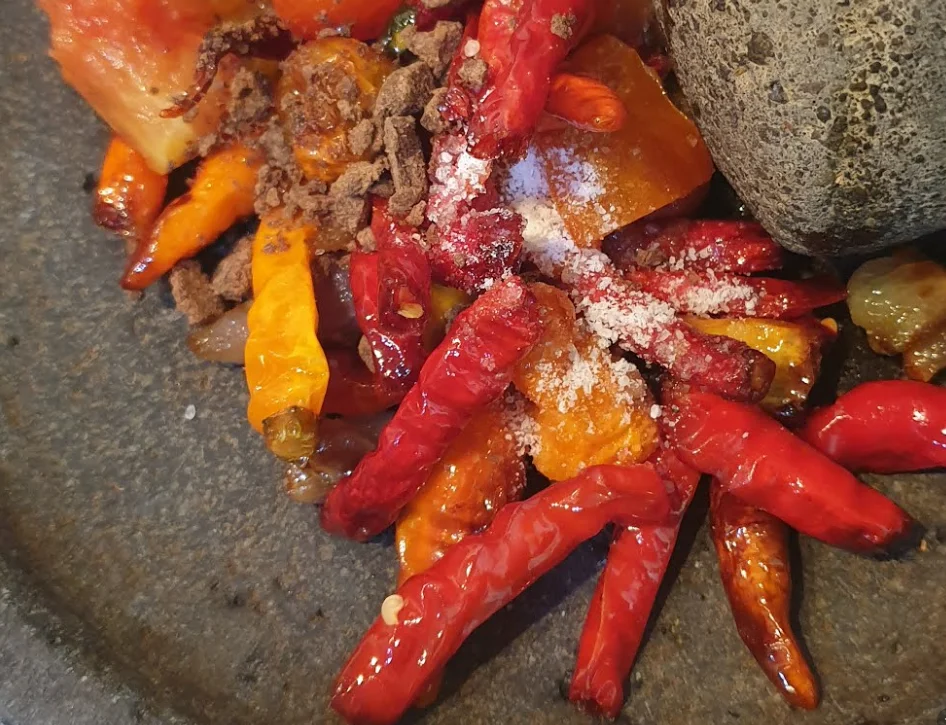
RRI.CO.ID, Jakarta - Sambal is a staple Indonesian condiment with more than 300 recorded varieties across the archipelago. It accompanies everyday meals in Indonesian homes, street food stalls, and restaurants while bringing distinct flavors to different regional dishes.
Chili peppers were introduced to Indonesia by Portuguese and Spanish traders during the 16th century. The ingredient quickly became part of local cuisine and developed into countless sambal recipes across Indonesian communities.
Traditional sambal is commonly prepared using a stone mortar and pestle, either raw or cooked. Cooked sambal develops deeper flavors and aromas, while raw sambal is mixed with other ingredients and usually served immediately.
Cooked sambal, or sambal masak, is more common in western Indonesia. Meanwhile, raw sambal, or sambal mentah, is more widely found in eastern Indonesia and is often paired with specific vegetables or proteins.
Common ingredients include cayenne peppers, bird's eye chilies, garlic, shallots, salt, and tomatoes. Shrimp paste, known as terasi or belacan, is often fried or burned before being ground to reduce its strong smell and release its aroma.
One regional variety is sambal colo-colo, a specialty from the Maluku Islands commonly served with grilled fish. Sambal dabu-dabu from Manado combines chopped chilies, shallots, tomatoes, salt, sugar, and calamansi juice.
Another popular variety is sambal matah, a Balinese raw sambal made from thinly sliced ingredients. It is finished with coconut oil, salt, and key lime juice before being served with various dishes.
The wide range of sambal reflects how Indonesian communities adapt ingredients and preparation methods to local environments. Each variety offers a different balance of heat, acidity, freshness, aroma, and savory flavors.
For travelers exploring Indonesian cuisine, trying different sambal varieties can add another layer to the dining experience. From Maluku's grilled fish pairing to Bali's fresh sambal matah, each preparation introduces a distinct regional taste.
News Recomendation
Memuat berita terbaru.....