



Kolak Biji Salak: A Traditional Dessert Bridges Local Roots and Global Taste
- 29 Sep 2026 05:38 WIB
- Voice of Indonesia
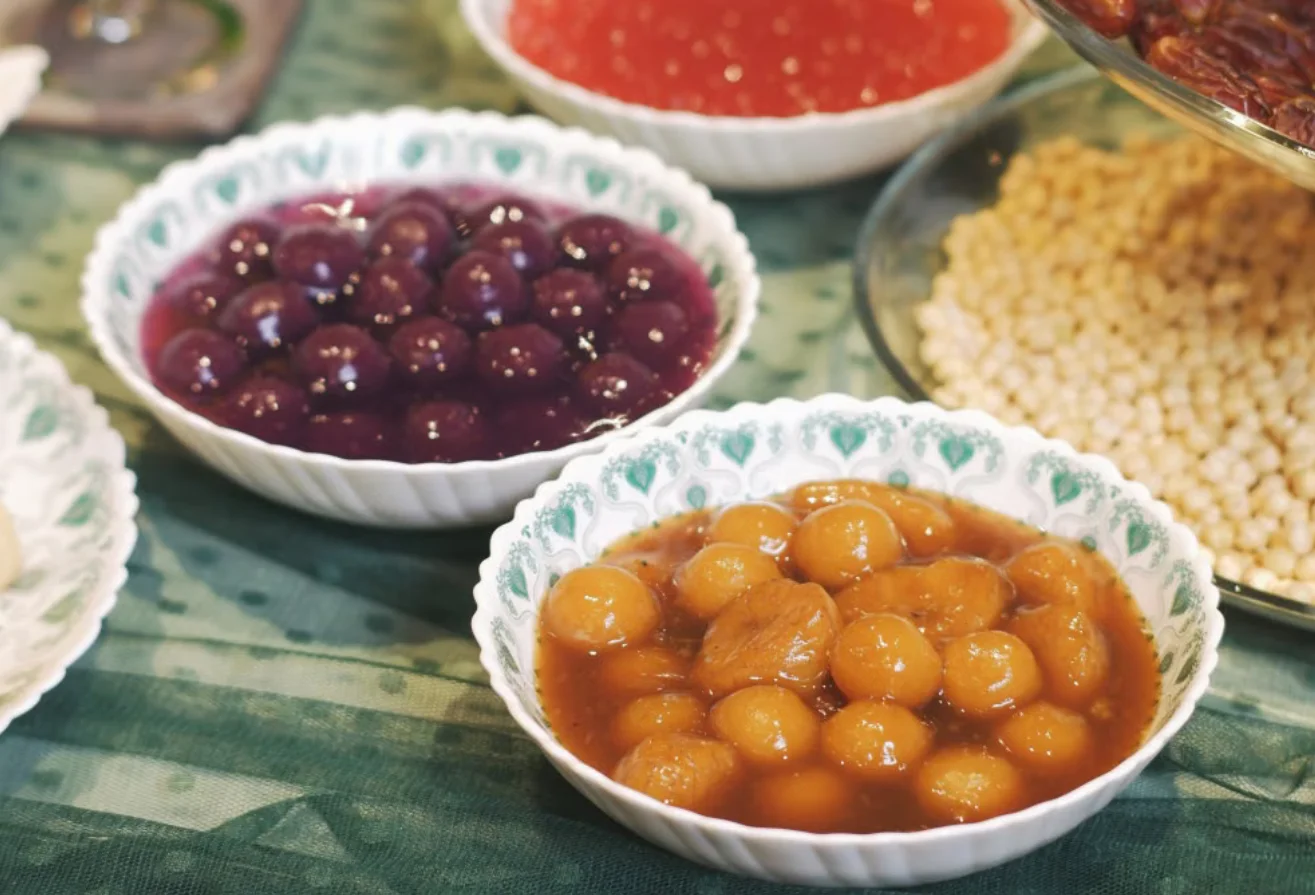
RRI.CO.ID, Jakarta - Among the world's diverse culinary traditions, kolak biji salak stands out as an Indonesian dessert that has endured across generations. Made from a blend of sweet potato, coconut milk, and palm sugar, this dish is more than a simple sweet snack.
It also reflects the richness of local food heritage in a way that resonates with international palates. Its steady popularity throughout the year shows how traditional recipes can remain relevant even as culinary trends shift.
In terms of composition, kolak biji salak consists of two main elements: small dumplings made from a mixture of sweet potato and glutinous rice flour, and a rich sauce known as areh, made from coconut milk and melted palm sugar cooked until thickened. The dumplings are boiled until they reach a distinctive chewy texture before being coated in the sweet, savory sauce.
This balance of texture and flavor makes the dish widely approachable, appealing even to international food lovers seeking new taste experiences from Southeast Asia.
Nutritionally, kolak biji salak offers more than just indulgence. Sweet potato, its main ingredient, is known to be rich in fiber, vitamins, and minerals that support healthy digestion and promote a longer lasting sense of fullness. The coconut milk used in the sauce also contributes beneficial fatty acids. Together, these qualities make the dish a relatively balanced dessert option compared to many heavily processed modern sweets.
Another notable aspect of this dish is its regional variation. In some areas, banana or ripe jackfruit is added for extra freshness, while other regions prepare a thicker coconut sauce with a stronger palm sugar flavor. Such variation illustrates how a single base recipe can evolve according to local taste and available ingredients, a pattern also common in traditional dishes found across many parts of the world.
Beyond its culinary appeal, kolak biji salak also carries social significance. In many communities, the dish frequently appears during moments of togetherness and cross generational gatherings, making it a symbol of warmth and hospitality.
This kind of social role is not unique to Indonesia; sweet dishes often serve as a unifying element in food cultures around the globe. Its wide availability further strengthens its accessibility.
No longer limited to specific occasions, the dish can now be found year round at restaurants and street food stalls. This accessibility opens the door for travelers and international food enthusiasts to discover and enjoy the dish without waiting for a particular celebration.
From a global culinary perspective, kolak biji salak demonstrates how simple ingredients such as root vegetables, coconut, and natural sugar can be transformed into a dish with complex flavor.
This approach aligns with a broader worldwide trend that increasingly values local ingredients and traditional cooking methods over heavily processed alternatives, placing the dish alongside other traditional desserts around the world that are gaining renewed attention for their authenticity and simplicity.
Ultimately, kolak biji salak affirms its place not merely as a dessert but as a representation of food heritage that endures across time. Its natural sweetness, distinctive texture, and balanced nutritional value make it relevant not only to local communities but also to a global audience continually seeking authentic flavors from around the world.
News Recomendation
Memuat berita terbaru.....