



Papeda and Yellow-Spiced Fish, a Traditional Papuan Delicacy
- 22 Sep 2026 08:28 WIB
- Voice of Indonesia
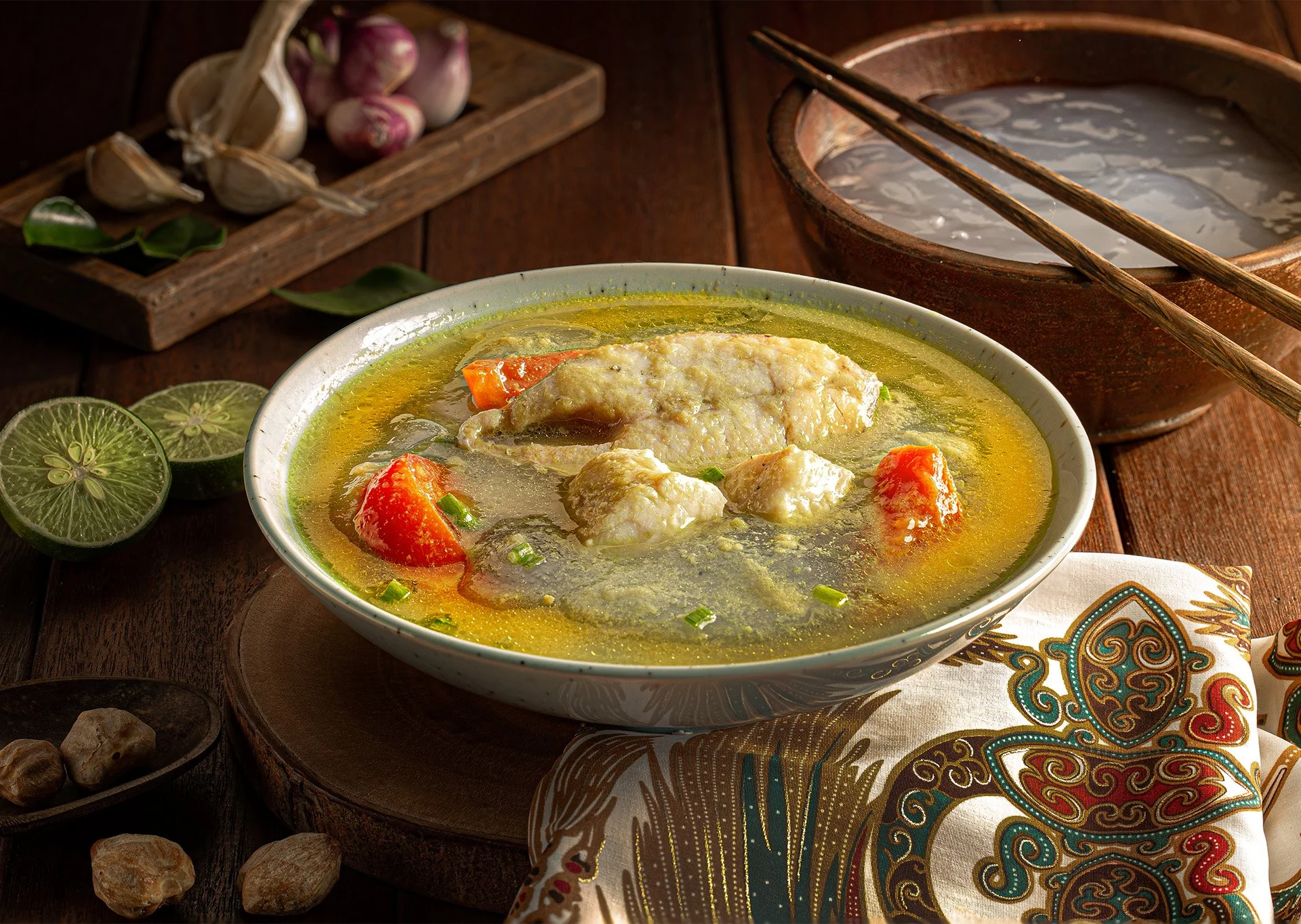
RRI.CO.ID, Jakarta – Papeda and yellow-spiced fish are among Papua’s signature dishes, offering not only distinctive flavors but also a glimpse into the history and traditions of communities in the region. Made primarily from sago, the dish is part of the culinary heritage of Papua, Maluku, and several areas of Sulawesi.
Papeda has a distinctive texture, resembling a translucent paste or gel. The dish has long been part of the culinary traditions of indigenous communities in several parts of Papua, including Sentani, Arso, and Manokwari.
Papeda was also featured as a Google Doodle on October 20, 2023. The design commemorated the eighth anniversary of papeda’s recognition as an Indonesian Intangible Cultural Heritage on October 20, 2015.
The recognition also highlighted the importance of sago as part of the cultural and daily life of Papuan communities. For indigenous communities, sago forests are not only a source of food but also hold social, economic, and cultural significance.
To make papeda, sago starch is mixed with a small amount of cold water until it thickens. Boiling water is then gradually added while the mixture is continuously stirred until its color changes from white to translucent. The mixture must be stirred in one direction to ensure an even texture.
Papeda is ready to eat when it has a stretchy, rope-like texture and does not easily break apart. Achieving the right consistency requires precise amounts of water and the right temperature. Too much water can make papeda too runny, while too little water can make it too firm.
In Papuan culinary traditions, papeda is commonly served with fish, vegetables, coconut, and other accompaniments. One of the most popular combinations is papeda with yellow-spiced fish, pairing the soft, chewy texture of papeda with a richly seasoned fish broth.
Papeda and yellow-spiced fish also hold cultural significance in several Papuan traditions. The dish can be served during important celebrations and traditional ceremonies, including the Watani Kame ceremony in Raja Ampat, which marks the end of a person’s mourning cycle.
In Inanwatan, Papua, papeda is also served during ceremonies celebrating the birth of a family’s first child. This demonstrates that papeda is more than an everyday food; it is also part of important moments in the lives of Papuan communities.
With its distinctive texture, unique flavors, and close connection to tradition and sago forests, papeda and yellow-spiced fish represent the rich culinary and cultural heritage of Papua.
News Recomendation
Memuat berita terbaru.....