



Dodol Betawi, Traditional Delicacy Preserved in Jakarta and Its Surrounding Areas
- 12 Agt 2026 13:51 WIB
- Voice of Indonesia
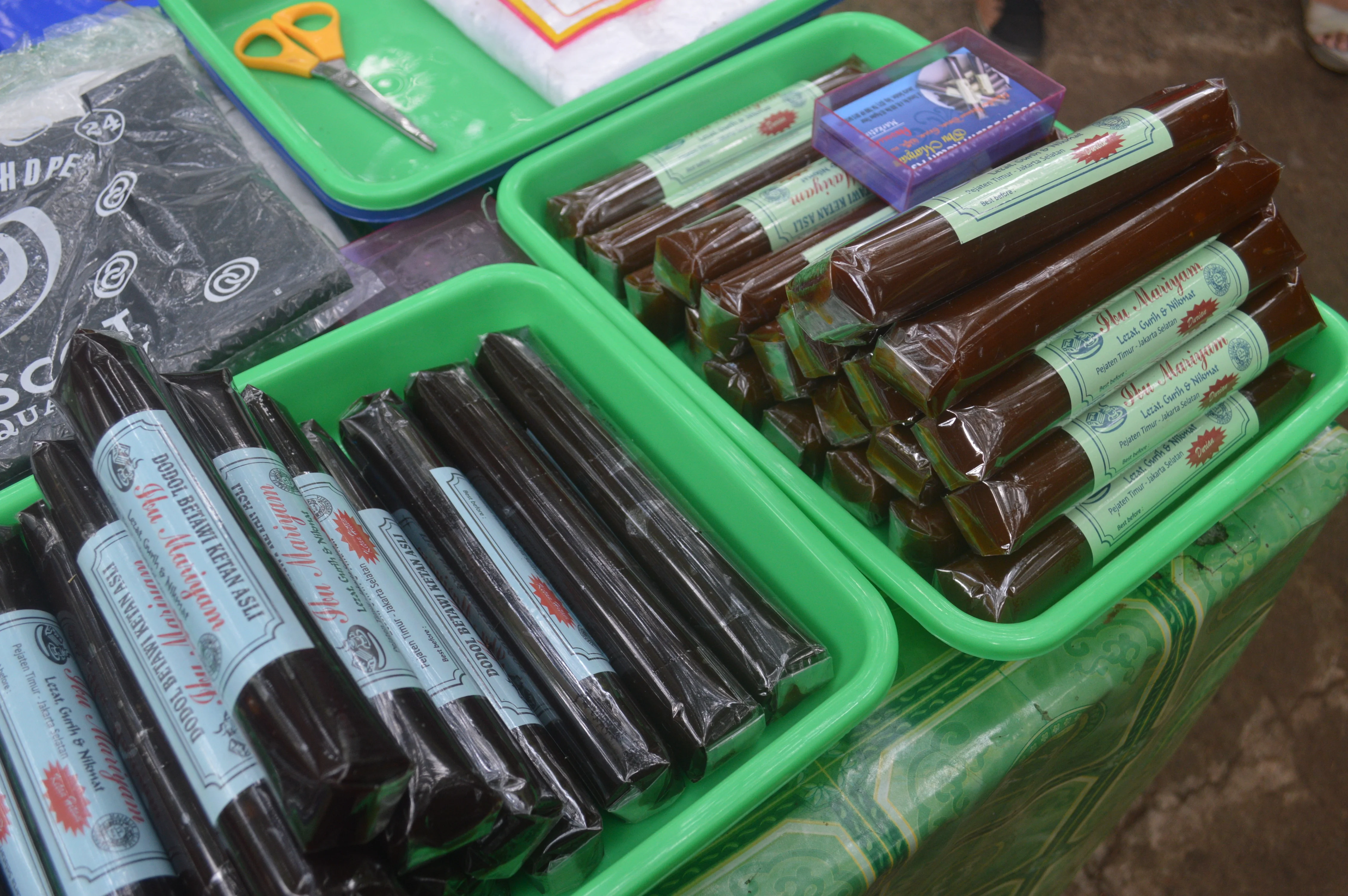
RRI.CO.ID, Jakarta - Dodol Betawi is a traditional delicacy of the Betawi people, who generally live in and around Jakarta, including Depok, Bogor, Tangerang, and Bekasi. To this day, Dodol Betawi continues to be made and served, particularly in the lead-up to major religious celebrations.
The delicacy is distinguished by its dark brown color and relatively limited range of flavors compared with dodol from other regions.
Dodol Betawi generally comes in three varieties: white glutinous rice, black glutinous rice, and durian. This traditional delicacy is made from several main ingredients, including glutinous rice, palm sugar, granulated sugar, and coconut milk.
The process of making Dodol Betawi is known to be quite complex and time-consuming. The ingredients are cooked in a large wok over a wood-burning stove. The cooking process can take up to approximately eight hours.
In a cooking wok measuring around one meter in diameter, the dodol mixture must be continuously stirred for several hours. The stirring cannot be stopped, as doing so can cause the mixture to become hard and prevent the flavors from blending evenly. As a result, making dodol requires considerable physical effort as well as extra care and attention.
Producing one batch of Dodol Betawi requires a substantial amount of ingredients. These include approximately three crates of palm sugar, four bags of granulated sugar, three large containers of coconut milk, and 10 liters of black glutinous rice. All the ingredients are then combined and cooked until they produce approximately 20 baskets of Dodol Betawi.
Dodol Betawi is commonly prepared as a special delicacy for various occasions, including celebrations, Ramadan, Eid al-Fitr, and Eid al-Adha. Demand for the delicacy typically increases as religious holidays approach, making Dodol Betawi one of the traditional foods sought after by the community.
However, only a limited number of people still possess the skills needed to make Dodol Betawi. Because of the complexity of the process, the tradition is often carried out collectively by members of the community, particularly in the days leading up to Eid al-Fitr.
In Betawi tradition, extended families living near one another help each other gather the ingredients needed to make the dodol. Once all the ingredients have been gathered, the men typically take responsibility for cooking and stirring the mixture, while the women prep the ingredients and other necessities.
While waiting for the dodol to finish cooking, the women also prepare food for the evening meal to break the Ramadan fast. Once the dodol is ready, it is then distributed fairly among the families who contributed to its production.
The tradition of making Dodol Betawi together is not only about producing a distinctive traditional specialty, but it is also an important part of maintaining community bonds and preserving Betawi cultural heritage. Amid changing times, the tradition of making dodol through mutual cooperation and communal work is one way of ensuring that Dodol Betawi remains known and is passed down to future generations.
News Recomendation
Memuat berita terbaru.....