



Danantara Indonesia Targets October Release of First Audited Financial Report
- 02 Okt 2026 19:01 WIB
- Voice of Indonesia
Poin Utama
- Danantara Indonesia aims to release its first audited financial report in October 2026, signaling transparency.
- The agency is streamlining SOEs through liquidation, divestment, consolidation, and restructuring to cut holdings to 200 firms by 2026
- BPK and EY audits will ensure compliance, disclosure, and governance, reinforcing accountability in Danantara’s financial management.
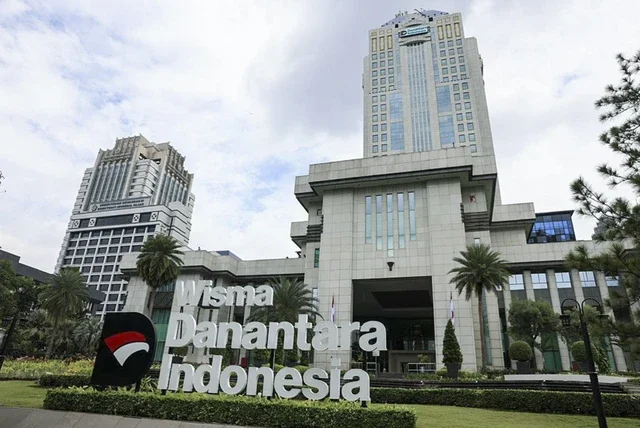
RRI.CO.ID, Jakarta – Indonesia’s sovereign investment authority, Danantara Indonesia, is preparing to publish its first audited financial report this month, a milestone that underscores its commitment to transparency and accountability as it restructures state‑owned enterprises under its management.
Chief Operating Officer Dony Oskaria said the consolidated financial statements are currently under audit by the Supreme Audit Agency (BPK) and Ernst & Young (EY), one of the global “Big Four” accounting firms.
“God willing, we hope to complete it this October,” Dony stated after attending an executive breakfast meeting in Jakarta on Friday, October 2, 2026, as quoted by Antara.
Beyond the financial disclosures, Dony emphasized that Danantara will continue streamlining and restructuring SOEs through measures such as liquidation, divestment, consolidation, equity injections, asset transfers, and loan restructuring.
The goal is to reduce the number of companies under Danantara’s portfolio to about 200 by the end of 2026.
BPK confirmed it has begun examining Danantara’s consolidated financial statements for fiscal year 2025, covering BPI Danantara, PT Danantara Asset Management (DAM), PT Danantara Investment Management (DIM), and all SOEs within its structure.
“BPK is committed to safeguarding governance and accountability at BPI Danantara as the foundation for high‑quality financial reporting,” said BPK Member VII Slamet Edy Purnomo.
The audit, described as one of BPK’s strategic reviews, will assess compliance with accounting standards, adequacy of disclosures, adherence to regulations, and the effectiveness of internal controls.
Using a risk‑based approach, auditors will also evaluate potential material misstatements, fraud, misuse, non‑compliance, and weaknesses in internal oversight. ***
News Recomendation
Memuat berita terbaru.....