



Indonesia's Farmed Lobsters Enter Singapore Export Market
- 12 Sep 2026 06:00 WIB
- Voice of Indonesia
Poin Utama
- Indonesian farmed lobsters have successfully entered the Singapore export market.
- This achievement will serve as the foundation for expanding lobster aquaculture pilot projects to additional regions.
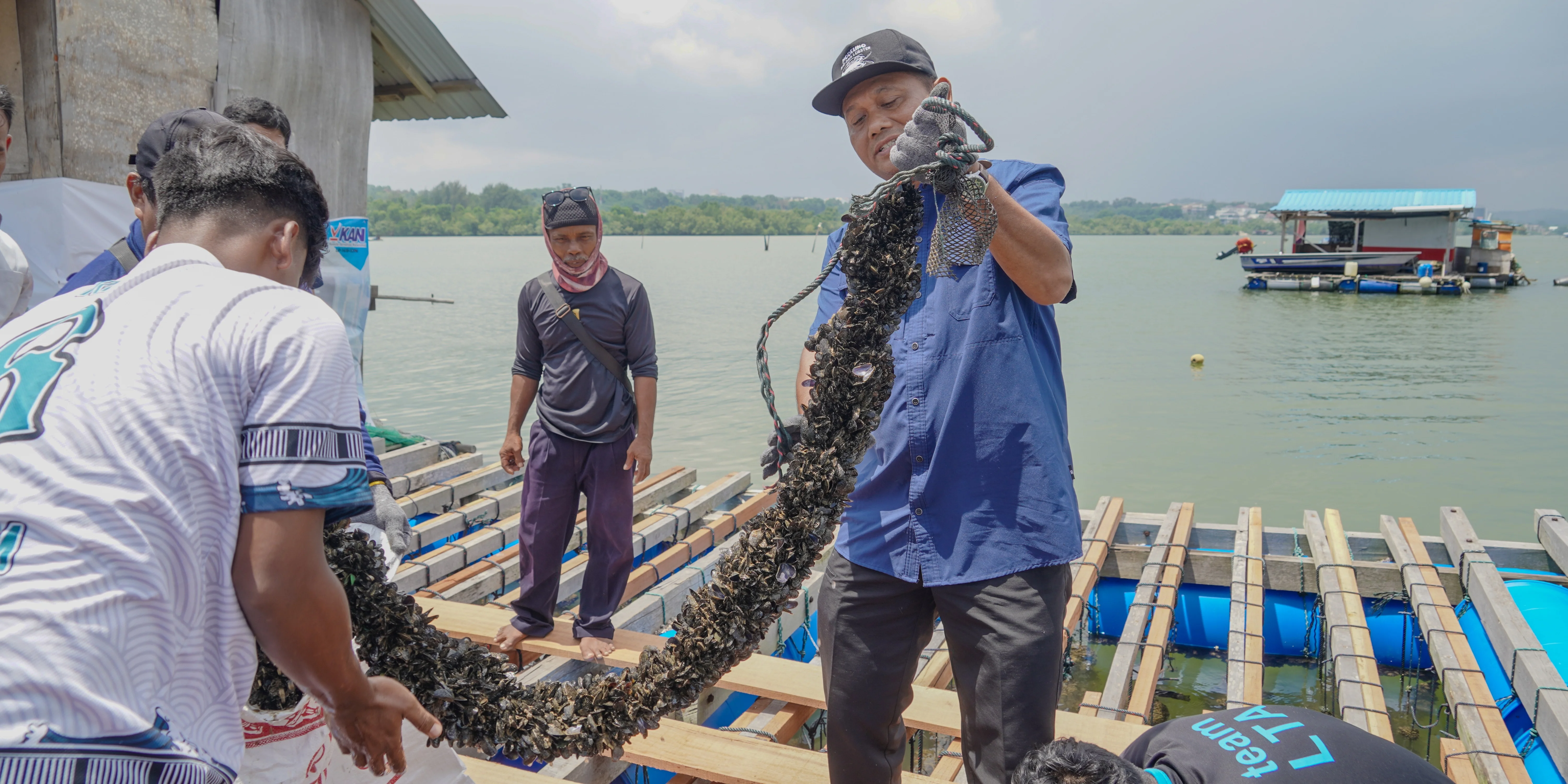
RRI.CO.ID, Jakarta - Lobster farming in Indonesia is beginning to supply the export market. A development model in Batam, Riau Islands, has produced consumption‑size lobsters that have been accepted by buyers in Singapore.
“This shows that we are now able to farm lobsters from the larval stage (BBL) to market size, and we can even sell and export the harvest,” said Director General of Aquaculture at the Ministry of Marine Affairs and Fisheries, Tb Haeru Rahayu, in a ministry press release in Jakarta on Friday, September 11, 2026, as quoted by Antara.
A total of 339.5 kilograms of lobsters produced through the Batam aquaculture pilot project have been marketed to Singapore and received a positive response. The Ministry is targeting the next shipment for November, alongside plans to increase production capacity.
This achievement will serve as the foundation for expanding aquaculture pilot projects to several regions. The Ministry is preparing to develop facilities in Situbondo, East Java, following similar pilot projects in Batam and West Nusa Tenggara (NTB).
Haeru said Batam will be positioned to support the needs of western Indonesia, Situbondo will serve the central region, while Lombok and NTB will support the eastern region.
The expansion aims to increase production capacity and build a more predictable lobster supply chain. The aquaculture scheme also provides an alternative supply source for both domestic and export markets, which have long relied on wild‑caught lobsters.
Crab and lobster exporter to Singapore and China, Sugianto, said lobsters farmed by the Batam Marine Aquaculture Center (BPBL) have strong commercial potential. Business operators have conducted market tests before moving to larger‑scale production.
“The quality is good. The lobsters aren’t limp. Even when they arrive at the holding facility, they’re still in good condition. We’ve also tested exports to Singapore, and the response has been very positive,” Sugianto said.
He added that aquaculture enables a more predictable lobster supply, opening greater opportunities for market expansion. More consistent production can also reduce exporters’ reliance on wild‑caught lobsters. ***
News Recomendation
Memuat berita terbaru.....