



Govt Preparing Domestic-Content Incentives for Indonesia’s EV Industry
- 04 Sep 2026 19:14 WIB
- Voice of Indonesia
Poin Utama
- The Ministry of Industry is preparing an incentive scheme based on Domestic Component Content (TKDN) for electric vehicles (EVs).
- The incentive program is being designed and coordinated with relevant ministries and agencies.
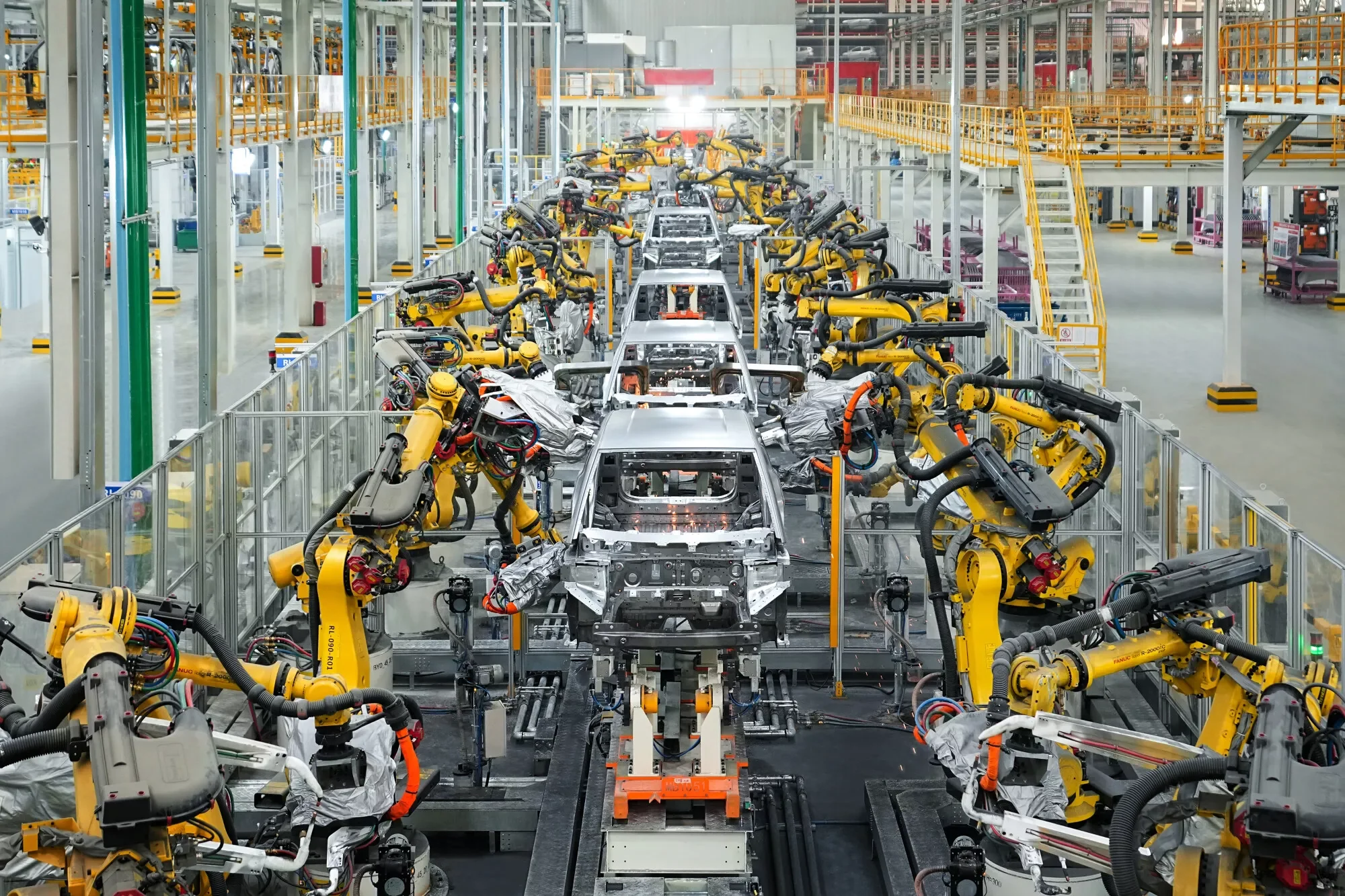
RRI.CO.ID, Jakarta - The Ministry of Industry is preparing an incentive scheme based on the Domestic Component Content (TKDN) for electric vehicles (EVs). The policy aims to increase the use of domestic components while strengthening the national industrial supply chain.
The roadmap for Battery-Based Electric Motor Vehicles (KBLBB) sets a minimum TKDN of 60 percent for 2027–2029, up from the current minimum target of 40 percent through 2026, and rising to 80 percent starting in 2030.
Industry Minister Agus Gumiwang Kartasasmita said increasing the TKDN is essential to ensure EV investment does not stop at the assembly stage. He said the policy must encourage greater involvement from domestic component manufacturers, material suppliers, and other local suppliers.
“There is a directive from Luhut Binsar Pandjaitan for us to study an incentive program based on strengthening the TKDN ratio. The higher the TKDN, the more attention it deserves from the government,” Minister Agus said during the inauguration of BYD Motor Indonesia’s production facility in Subang on Thursday, September 3, 2026.
The Ministry will design and coordinate the incentive scheme with relevant ministries and agencies. The scheme is expected to encourage EV manufacturers to increase their use of domestic components and attract global suppliers.
TKDN strengthening has progressed alongside the growth of Indonesia’s EV market in recent years. As of April 2026, Indonesia’s EV fleet totaled approximately 486,000 units.
Meanwhile, BEV sales in the first half of 2026 reached around 70,000 units, accounting for 16 percent of the market, while HEV sales reached about 40,400 units, with a market share nearing 10 percent.
“The significant market share of EVs indicates that Indonesian consumers are increasingly welcoming them. Therefore, the government continues to implement affirmative policies,” Minister Agus said.
The EV industry's development also aims to increase value added and strengthen linkages with the national components industry. This ecosystem includes raw material processing, battery cell manufacturing, battery packs, components, and electric vehicles.
It also covers the domestic market and the battery recycling industry, strengthening the entire supply chain. “We expect BYD’s presence to further strengthen interconnections across the industrial chain, including by increasingly involving domestic component manufacturers and suppliers,” Minister Agus said.
Strengthening the domestic supply chain is expected to generate multiplier effects from EV investments, including increased value added, job creation, technology mastery, human resource development, and higher exports. (Gusti Panji)
News Recomendation
Memuat berita terbaru.....