



Indonesia Pushes Energy Independence Through 100 GWp Solar Power Plant Program
- 26 Agt 2026 18:44 WIB
- Voice of Indonesia
Poin Utama
- Through the 100 GWp Solar Power Plant program, Indonesia aims to strengthen national energy independence by expanding the use of clean energy.
- The 100 GWp Solar Power Plant program is projected to generate significant economic benefits, including more than IDR 73 trillion in annual State Budget savings.
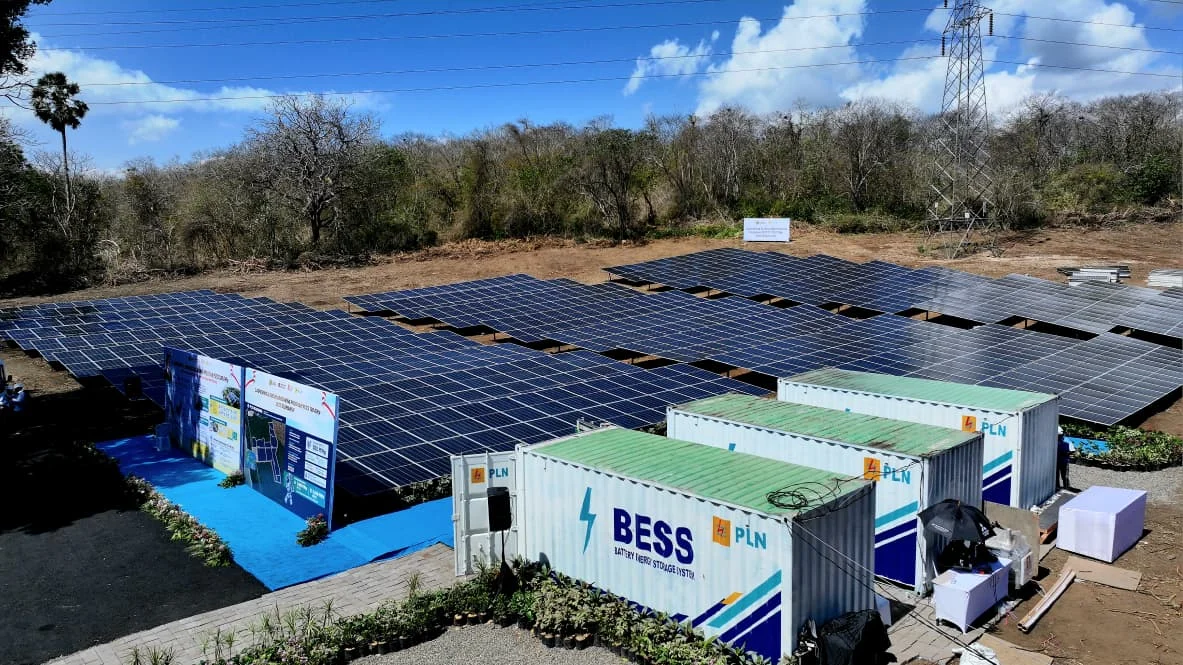
RRI.CO.ID, Jakarta - The Indonesian Ministry of Energy and Mineral Resources views the 100 Gigawatt‑peak (GWp) Solar Power Plant program as a strategic step toward strengthening national energy independence. The program is expected to expand clean energy use while improving the reliability of electricity supply nationwide.
Energy and Mineral Resources Minister Bahlil Lahadalia said the 100 GWp Solar Power Plant program would help Indonesia achieve energy independence.
“Moreover, Indonesia already has a domestic solar panel and Battery Energy Storage System (BESS) industry,” Minister Bahlil said during the launch and groundbreaking ceremony for the 100 GWp Solar Power Plant Program in Bali on Tuesday, August 25, 2026.
He added that Indonesia has significant solar energy potential because it is located in the tropics with year‑round sunlight.
The launch featured three projects: the Gajah Mungkur Floating Solar Power Plant, the Sembur Village Solar Power Plant, and the Rengit Island Solar Power Plant. All three demonstrate large‑scale solar power generation to meet the needs of communities in island regions.
In the initial phase, the government launched 14 solar power plant projects across six provinces with a total capacity of approximately 5.3 GWp. These projects include the 300 MWp Gilimanuk Solar Power Plant and the 134 MWp Gajah Mungkur Floating Solar Power Plant.
The government is also developing the 0.92 MWp Sembur Village Solar Power Plant and the 0.078 MWp Rengit Island Solar Power Plant. These developments aim to expand the benefits of solar energy for community activities and to meet local electricity needs.
The 100 GWp solar power plant program is projected to generate economic benefits through State Budget savings of more than IDR 73 trillion (approximately USD 4.11 billion) per year. These savings are driven by the lower cost of electricity from solar power plants compared with diesel‑ or gas‑fired power plants.
The use of solar energy is projected to reduce diesel consumption by up to 6 million kiloliters per year nationwide. In Bali alone, diesel savings are estimated to reach 500,000 kiloliters per year through this program.
“The 100 GWp solar power plant project has the potential to create 5.52 million cumulative jobs (3.5 million in the solar panel and BESS industries, and 2 million in the construction sector). It can also reduce carbon emissions by 140.16 million metric tons of CO₂ per year, with a carbon economic value of IDR 6.31 trillion,” Minister Bahlil said.
The Sembur Village Solar Power Plant shows how solar energy can support the local fishing community's economic activities. Electricity from the project powers a 5‑metric‑ton cold storage facility and a 4‑metric‑ton ice‑making machine.
Meanwhile, the Rengit Island Solar Power Plant has increased the community’s electricity availability from approximately 12 hours to 24 hours per day. The project has also reduced the Cost of Electricity Supply by around IDR 4,400 per kWh, a 26 percent decrease. (Gusti Panji)
News Recomendation
Memuat berita terbaru.....