



Indonesia Pushes Solar Energy Development at Indosolar 2026
- 20 Agt 2026 19:10 WIB
- Voice of Indonesia
Poin Utama
- The Indonesian Solar Energy Association (AESI) is hosting Indosolar 2026 to accelerate solar energy development in Indonesia.
- Through Indosolar 2026, AESI is promoting stakeholder collaboration to speed up solar energy development and strengthen national energy security.
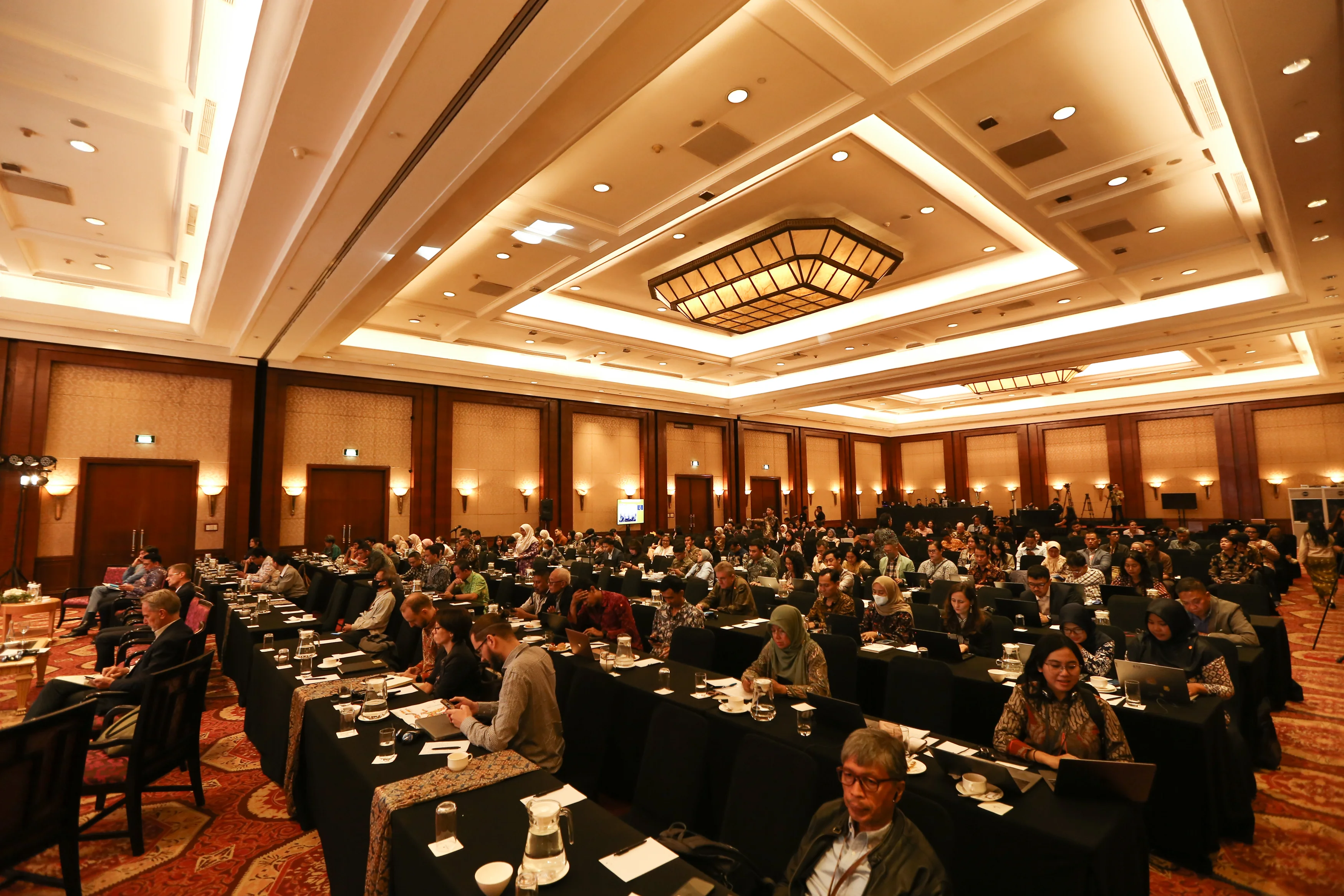
RRI.CO.ID, Jakarta - The Indonesian Solar Energy Association (AESI) is hosting Indosolar 2026 to accelerate solar energy development in Indonesia.
The event serves as a collaborative platform for the government, industry players, investors, and other stakeholders.
Indosolar 2026 also aims to align national solar energy development policies. Deputy Minister of Energy and Mineral Resources (ESDM) Yuliot Tanjung said the energy transition is becoming increasingly critical.
“Global geopolitical conditions can affect a country’s energy security. Conflicts in strategic regions have the potential to disrupt global energy supply chains,” Yuliot said during the opening ceremony of Indosolar 2026 at the Fairmont Jakarta on Wednesday, August 19, 2026.
Such disruptions, he added, can trigger price increases and reduce energy availability, ultimately putting pressure on public purchasing power and the national economy.
Yuliot said the government continues to expand the use of new and renewable energy (NRE) as part of efforts to maintain national energy security.
“The government aims for the NRE mix to reach 18 to 21 percent by 2026. Indonesia has a renewable energy potential of around 6,600 gigawatts (GW) from solar and geothermal sources,” he said.
However, only about 16 GW, or less than 0.5 percent, has been utilized. According to Yuliot, solar energy also has the potential to reduce carbon emissions and create opportunities in the carbon market.
Beyond solar energy, the government is promoting energy diversification through biodiesel. The B40 biodiesel program is part of efforts to reduce dependence on fossil fuels.
Waste management also has the potential to support the energy transition by converting organic waste into biogas and other alternative energy sources. Non‑recyclable waste can be processed into energy or fuel.
Yuliot said international cooperation is essential for accelerating the energy transition. One example is Indonesia’s collaboration with Germany in developing clean energy.
“This cooperation includes technological support, capacity building, and investment. These efforts also support Indonesia’s goal of achieving net‑zero emissions (NZE) in the energy sector by 2060,” he said.
The government is also developing solar, geothermal, and hydroelectric energy, along with transmission infrastructure to strengthen the electricity grid.
Through Indosolar 2026, AESI is encouraging collaboration among stakeholders to accelerate solar energy development and reinforce national energy security. (Gusti Panji)
News Recomendation
Memuat berita terbaru.....