



Industrial Policies Key to Indonesia’s Economic Growth: ADB
- 23 Jul 2026 22:24 WIB
- Voice of Indonesia
Poin Utama
- The Asian Development Bank (ADB) is committed to partnering with the Indonesian government to advance industrial development and create inclusive jobs.
- The manufacturing sector is viewed as strategically important in helping developing countries narrow productivity gaps with advanced economies.
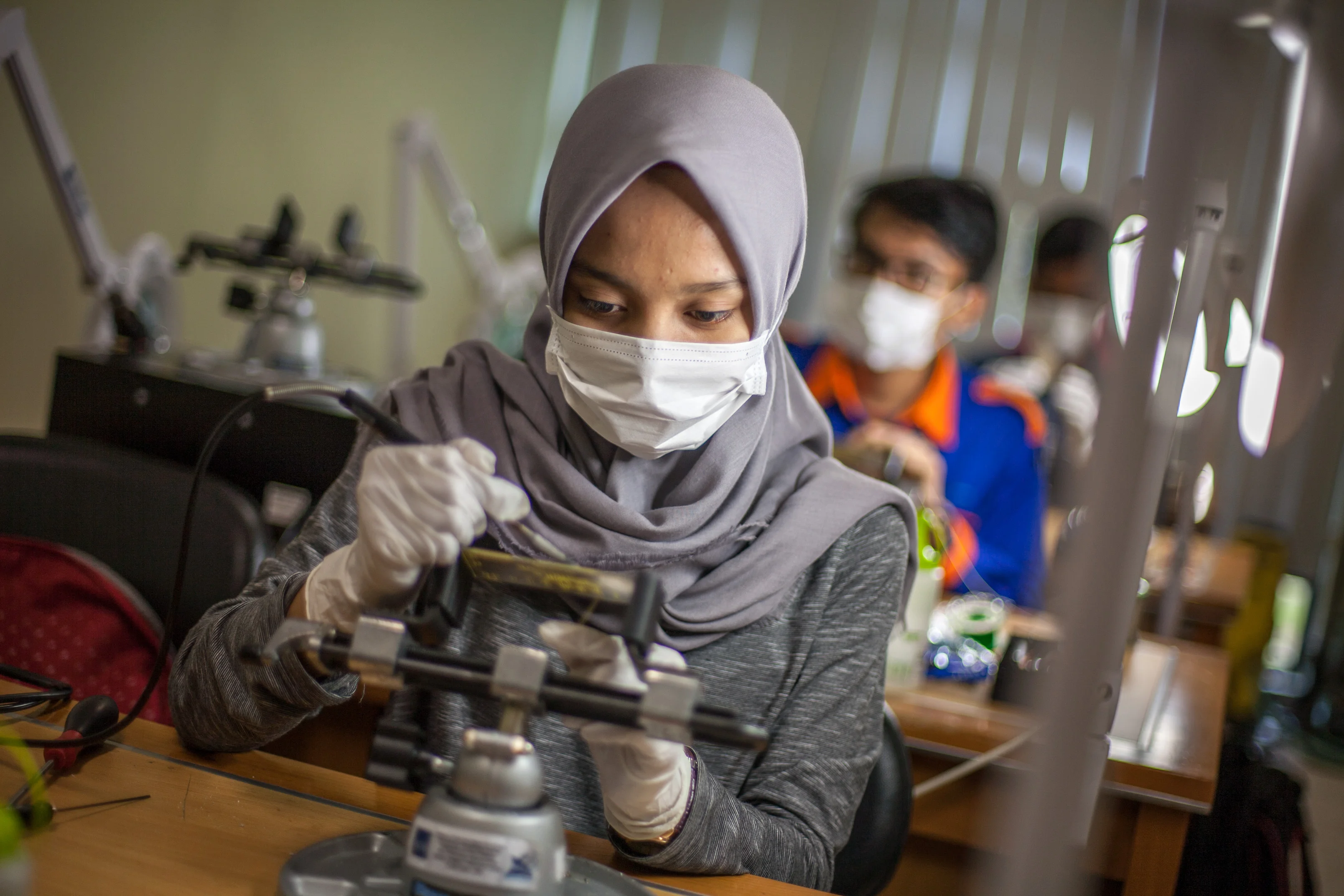
RRI.CO.ID, Jakarta – The manufacturing industry remains a key driver of Indonesia’s economic growth, with policy support and international collaboration seen as essential to creating more quality jobs.
Head of the Asian Development Bank (ADB) Representative Office in Indonesia, Babur Alimov, reaffirmed the ADB’s commitment to continuing its partnership with the government in promoting industrial development. These initiatives aim to expand inclusive employment opportunities while increasing the national economy’s value added.
According to ADB research, the manufacturing sector plays a strategic role in helping developing countries close the productivity gap with advanced economies. Policies that support industrialization, workforce upskilling, and investment are considered key factors in economic transformation.
“In a nutshell, industrial development is people-centered. Indonesia is experiencing significant momentum in its industrial transformation, and this study demonstrates the extent to which that momentum can drive productivity growth with the right policy choices,” Alimov said during the Indonesia Development Talks event in Jakarta on Thursday, July 23, 2026, as quoted by Antara.
These findings align with the Industrial Development Report 2026 published by the United Nations Industrial Development Organization (UNIDO), which emphasizes the need for targeted industrial policies to strengthen competitiveness and sustain long-term growth.
UNIDO also highlighted Indonesia’s progress in expanding domestic mineral processing as a case study of policies aimed at increasing industrial value added. However, both UNIDO and ADB stressed that industrial transformation cannot rely solely on investment.
The ADB noted that strong institutions, a skilled workforce, adequate infrastructure, and access to financing are essential foundations for companies to grow and compete.
Established in 1966 with 69 member countries, the ADB continues to support sustainable, inclusive, and resilient development across the Asia-Pacific region. ***
News Recomendation
Memuat berita terbaru.....