



Indonesia Calls for Stronger Protection of Traditional Knowledge at WIPO
- 17 Sep 2026 14:05 WIB
- Voice of Indonesia
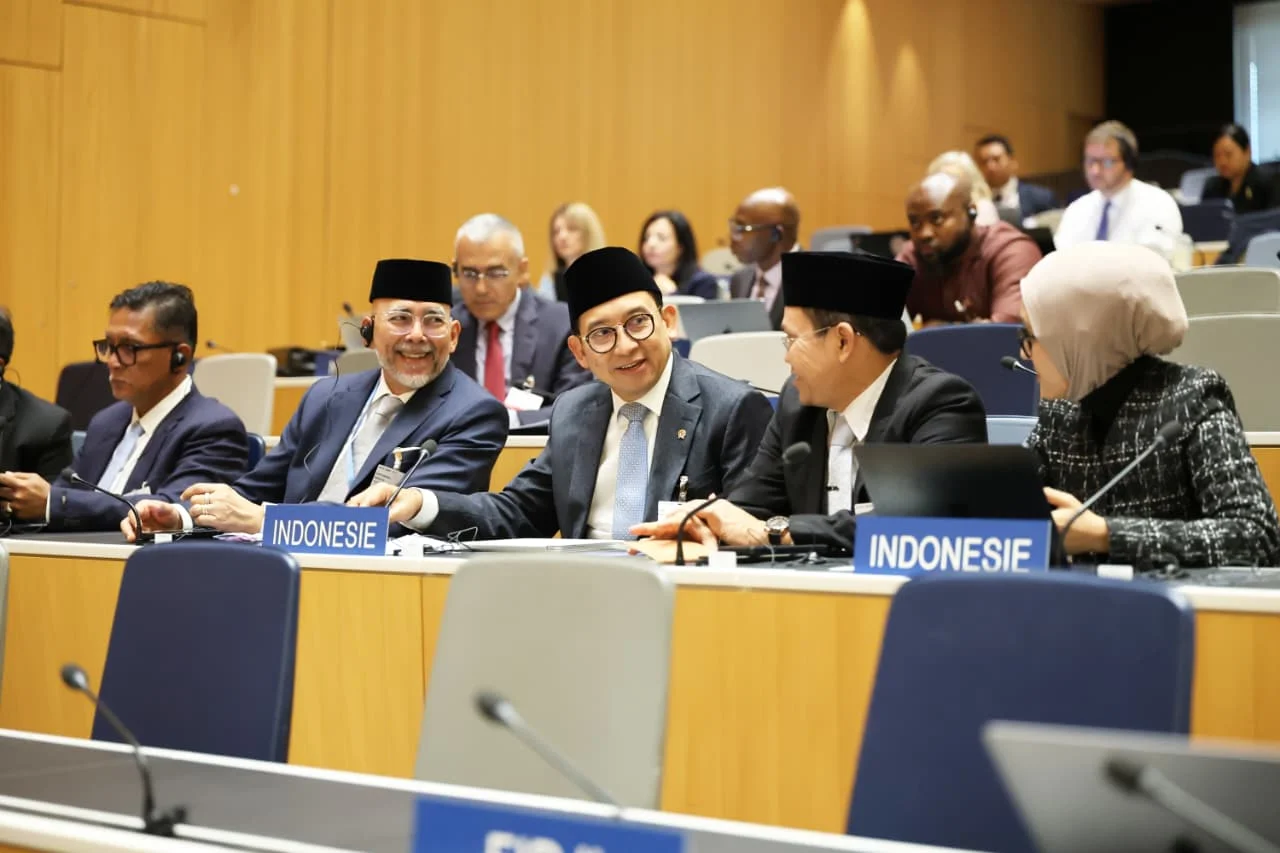
RRI.CO.ID, Geneva - Indonesia's Culture Minister, Fadli Zon, has emphasized the importance of an international legal framework that can provide fair and effective protection for traditional knowledge, traditional cultural expressions, and genetic resources. He made the statement while delivering Indonesia’s National Statement at the 53rd Session of the World Intellectual Property Organization (WIPO) Intergovernmental Committee on Intellectual Property and Genetic Resources, Traditional Knowledge and Folklore (IGC on GR-TKF) in Geneva, Switzerland, on Wednesday September 16, 2026.
The forum, taking place from September 16 to 25, is part of ongoing international negotiations on the protection of traditional knowledge (TK), traditional cultural expressions (TCEs), and genetic resources (GRs). The 53rd session is attended by representatives from 93 countries, special delegations, nine intergovernmental organizations, 39 non-governmental organizations, and Indigenous Peoples’ groups.
Fadli emphasized that, for Indonesia, discussions on intellectual property cannot be separated from a cultural perspective because traditional knowledge and cultural expressions are part of communities’ identities and collective memories. “Traditional knowledge and traditional cultural expressions are not merely intellectual property. They contain the identity, knowledge, history, and collective memory of communities,” Fadli said.
According to the Minister, the protection of cultural heritage must recognize Indigenous Peoples and local communities as the primary owners and custodians while ensuring that they benefit from such protection. “Therefore, their protection must place communities as the primary owners and custodians of this cultural heritage, while ensuring that the benefits return to the communities,” he said.
He said this position is particularly important for Indonesia, which has immense cultural diversity, with 1,340 ethnic groups and 718 regional languages. By the end of 2025, Indonesia had also officially recognized 2,727 elements of Intangible Cultural Heritage, covering traditions, arts, rituals, traditional technologies, crafts, textiles, music, and other cultural practices.
At the WIPO forum, Indonesia called for an international legal framework to provide greater certainty regarding consent, attribution or recognition of communities of origin, and equitable benefit-sharing. Indonesia also stressed the need for stronger protection of traditional knowledge and cultural expressions that are sacred, confidential, or restricted, in accordance with the values, norms, and social systems of their respective communities.
Indonesia also brought a cultural economy perspective to the WIPO discussions, emphasizing that economic value generated from cultural heritage should provide fair benefits to the communities that own and preserve it. “We want to ensure that culture is not only protected but also provides tangible benefits to communities. When traditional knowledge and cultural expressions generate economic value, the communities that safeguard and pass them on must receive recognition and a fair share of the benefits,” Fadli said.
Indonesia reaffirmed its readiness to play an active and constructive role in the WIPO negotiations, including by sharing its national experience in documenting, protecting, utilizing, preserving, and transmitting cultural heritage across generations. “Indonesia is ready to share concrete evidence and national experience in documentation, safeguarding, preservation, and intergenerational transmission to contribute to resolving various issues in the WIPO negotiating text,” Fadli said.
News Recomendation
Memuat berita terbaru.....