



1930 Audio Archives Revive Ancestral Traditions in East Flores
- 14 Agt 2026 00:19 WIB
- Voice of Indonesia
Poin Utama
- Digitized 1930 audio recordings have returned to East Flores communities, reconnecting residents with ancestral songs, languages, and cultural traditions.
- The archive of 182 songs recorded on 75 wax cylinders has helped revive traditional performances and sparked intergenerational dialogue about local heritage.
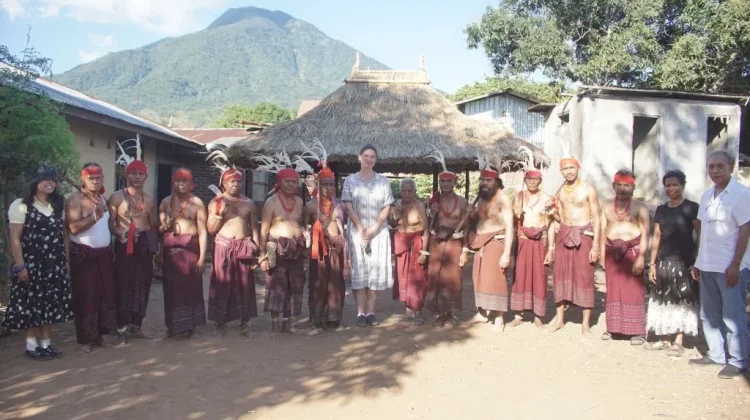
RRI.CO.ID, Jakarta - A rare collection of audio archives recorded in 1930 has been returned to its origin communities in East Flores, East Nusa Tenggara (NTT), through a digital restitution project, sparking intergenerational dialogue and reawakening long-dormant cultural traditions.
Originally documented by Dutch ethnomusicologist Jaap Kunst, the collection comprises 182 songs recorded on 75 wax cylinders, preserved as part of the Jaap Kunst Collection at the Universiteit van Amsterdam. Led by ethnomusicologist Barbara Titus in collaboration with researchers from the Institute of Resource Governance and Social Change (IRGSC), the digitized archive was formally handed over to the NTT Provincial Administration in September 2024.
Following preliminary introduction events in Kupang in late July 2026, the research team carried the recordings directly to indigenous communities in Lewoloba, Waibao, and Riangkroko in East Flores.
The field visits yielded immediate cultural revivals; in Lewoloba, residents identified ancient songs, corrected lyrics documented nearly a century ago, and performed three traditional dances alongside two folk songs on August 9, 2026. In Riangkroko, descendants heard the voices of their ancestors for the first time, establishing a direct emotional link to their heritage.
Cultural researchers and academic leaders stressed that true archival restitution requires direct community engagement, relationship building, and active local stewardship rather than static storage in institutional repositories.
Universiteit van Amsterdam ethnomusicologist Barbara Titus emphasized that cultural archives only regain their living meaning when reunited with source communities who possess the contextual knowledge of language, lyrics, and custom.
"Tradition is always changing, that first and foremost requires building and maintaining relationships. That is best done together," she said in a written statement in Jakarta on Wednesday, August 12, 2026.
She noted that returning digitized assets is merely an initial step in long-term heritage preservation. "The archives will come back to life when they meet people who still recognize the language, music, poetry, and traditions," Titus added. (Naura Sofia-EN)
News Recomendation
Memuat berita terbaru.....