



Barapen: Papua’s Sacred Heritage of Communal Stone-Cooking Rituals
- 09 Agt 2026 22:29 WIB
- Voice of Indonesia
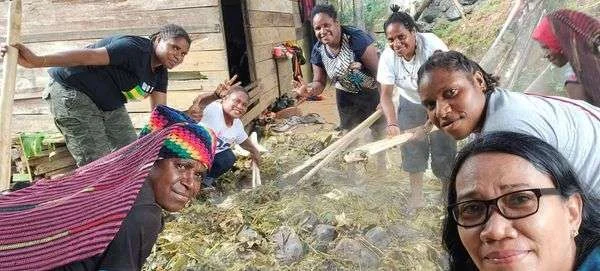
RRI.CO.ID, Paniai – Amidst the mountains of Papua, a communal cooking tradition known as Bakar Batu (Stone-Burning) is still preserved today by various tribes, including those in the Paniai, Lanny Jaya, Yahukimo, Yalimo, and Mimika regions. This ritual is not merely a method of cooking; it is a symbol of togetherness, peace, and reverence for ancestors—a tradition passed down through generations long before the arrival of modern culture in Papua.
The tradition is observed during various significant life events, ranging from welcoming honored guests and celebrating births and weddings to peace ceremonies following inter-tribal conflicts. For the Papuan people, Bakar Batu also serves as a means to strengthen social bonds, as it involves the entire community—from children to the elderly—in a collective, cooperative effort.
Technically, the Bakar Batu process begins with preparing an open area or a large pit, selected based on wind direction and participant safety. River stones are gathered and heated over a wood fire until they glow red-hot; the heat radiating from these stones is what cooks the food.
The ingredients typically include pork (for non-Muslim communities), chicken, sweet potatoes, cassava, and vegetables such as cassava leaves and papaya leaves. All ingredients are arranged in layers interspersed with hot stones and green leaves, and the entire mound is tightly covered with earth to retain heat throughout the cooking process.
The food cooks naturally from the heat of the stones for several hours before the mound is opened and the meal is shared among all participants. This moment of sharing food marks the culmination of the ritual, underscoring the values of equality and togetherness held in high regard by the Papuan people.
Beyond its role as a social ritual, Bakar Batu is also frequently used as a medium for resolving inter-tribal conflicts in Papua. When a Bakar Batu ceremony is held following a period of conflict, it serves as a symbolic sign that relations between the warring parties have been fully restored. For the outside world, this tradition serves as a window into the rich culture of indigenous Papuan communities, which prioritize collectivity over individualism.
The continued preservation of the Bakar Batu tradition demonstrates how Papuan communities maintain their cultural identity amidst the ever-advancing tide of modernization.
News Recomendation
Memuat berita terbaru.....