



Honai: The Papuan House Now Recognized as Indonesian National Cultural Heritage
- 09 Agt 2026 22:33 WIB
- Voice of Indonesia
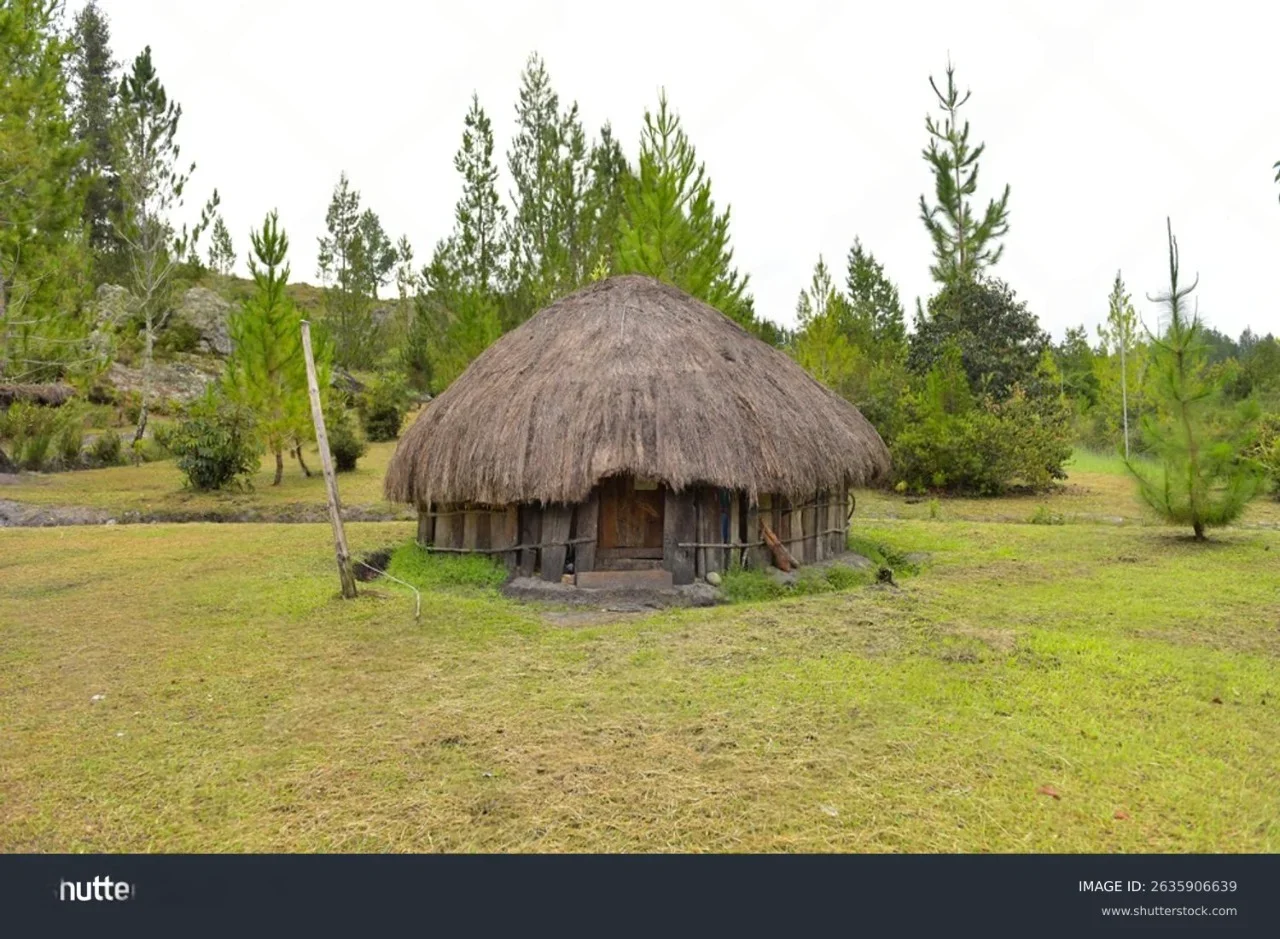
RRI.CO.ID, Baliem – In the highlands of Papua, Indonesia, a round traditional house known as the Honai has garnered global attention as an example of architecture adapted to extreme climates. In 2016, the Indonesian Ministry of Education and Culture officially designated the Honai as an Intangible Cultural Heritage, alongside 150 other cultural elements from 34 provinces.
The Honai is built by the Dani, Lani, and Yali tribes inhabiting the Baliem Valley, one of the highest mountainous regions in Papua. The house is specifically designed to withstand nighttime temperatures that can drop to 10 degrees Celsius—far colder than typical tropical Indonesian regions.
The name "Honai" originates from the Dani language, combining the words "Ho" (meaning "man") and "Nai" (meaning "house"). This windowless, circular structure is constructed from wood, alang-alang (thatch grass), and rattan, featuring a curved roof that sheds rain while trapping heat inside.
Indigenous Papuan communities have built Honai for centuries, long before outside influences reached the region. Each traditional village typically features three distinct types of structures: the Honai for men, the Ebei for women, and the Wamai as a shelter for pigs.
More than just a shelter from the elements, the Honai serves as a hub of social life where residents gather and make collective decisions. The philosophy behind its design reflects the values of balance between men, women, and the natural environment—values deeply cherished by the highland communities of Papua.
Today, amidst modernization, some Honai have been repurposed into cultural tourism destinations and educational centers for visitors from outside Papua. Local governments and indigenous communities have also begun incorporating more durable modern building materials without compromising the structure's signature round shape.
Official recognition by the Indonesian government has transformed the Honai into a symbol of identity that is gaining national prominence and even attracting international attention. Its unique form now frequently appears in cultural festivals and local government logos, underscoring the Honai's status as an architectural heritage worthy of global preservation.
News Recomendation
Memuat berita terbaru.....