



Sungkeman, a Moment of Forgiveness during Eid in Indonesia
- 26 Mar 2026 09:43 WIB
- Voice of Indonesia
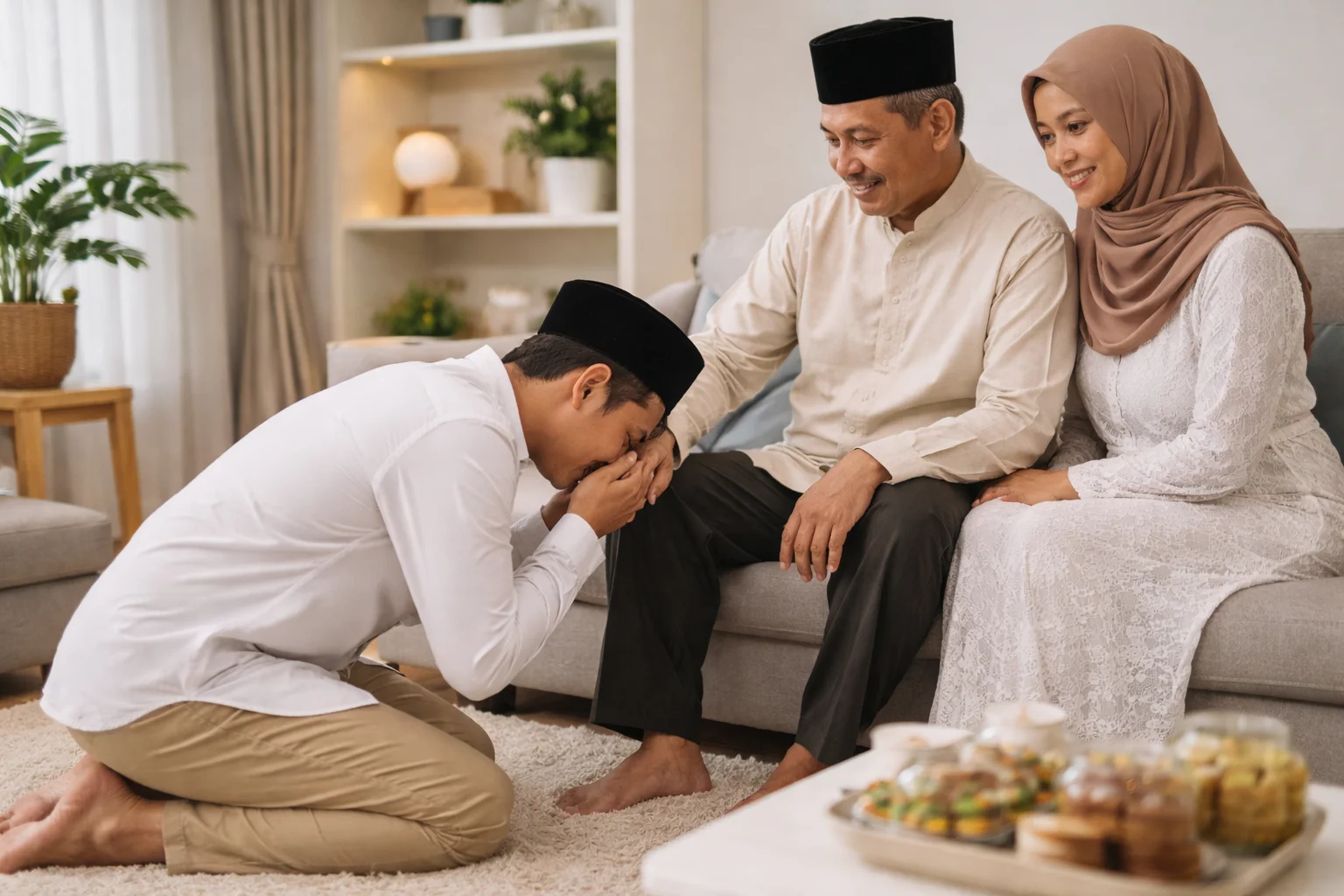
RRI.CO.ID, Jakarta - Every year after Ramadan, families across Indonesia gather to celebrate Eid al-Fitr. The day is usually filled with food, laughter, and visits to relatives. But before all that, there’s a quieter moment that happens at home.
This moment is known as sungkeman. The word comes from sungkem, a Javanese term that refers to bowing as a gesture of respect. During this moment, younger family members sit or kneel in front of their parents and elders, hold their hands, and ask for forgiveness.
The way has done matters. People lower their posture, speak softly, and take their time. These small details reflect sincerity and humility, values that are deeply held in many Indonesian families.
Sungkeman usually takes place on Eid morning, right before families begin visiting relatives. The timing feels natural. After a month of Ramadan, Eid is often seen as a moment to return to a clean slate, to mend relationships, and to reconnect with others.
In many households, this moment can be emotional. Some people tear up, others smile through it. Parents and elders respond with prayers and blessings, often wishing for health, a long life, and well-being.
This practice is often connected with another Indonesian tradition known as Halal Bihalal, where people continue the act of reconnecting and forgiving one another in a wider social setting. The idea is simple: maintaining good relationships with others is just as important as personal devotion.
For many Indonesians, sungkeman is a familiar part of Eid—quiet, sometimes emotional, and deeply personal. It happens before the celebrations begin, but it often stays with people long after the day is over.
News Recomendation
Memuat berita terbaru.....