



Must-Visit Tourist Spots to Celebrate Chinese New Year 2026
- 13 Feb 2026 15:31 WIB
- Voice of Indonesia
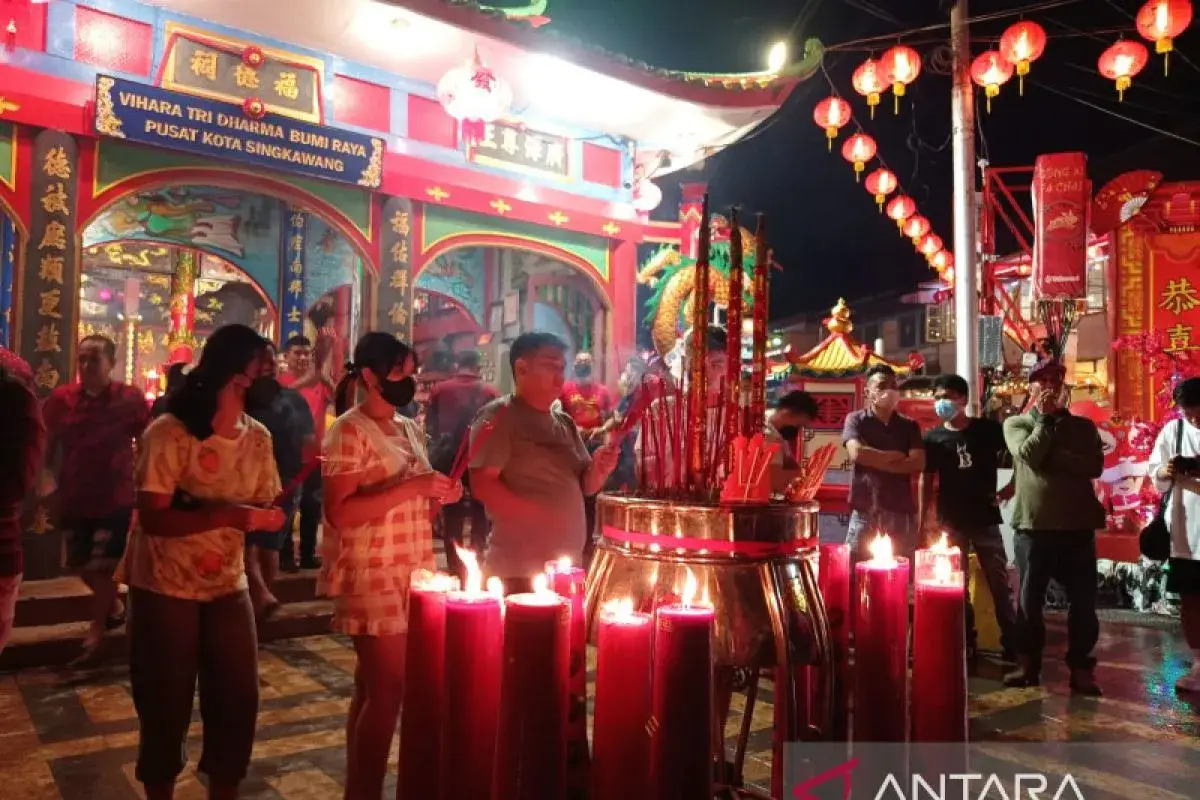
RRI.CO.ID, Jakarta - Rather than simply marking the turn of the lunar calendar, the 2577 Kongzili Chinese New Year is shaping up as a powerful driver of cultural tourism across Indonesia. The Ministry of Tourism has curated a list of destinations where travelers can experience not only festive celebrations but also living traditions that reflect centuries of cultural exchange between Chinese communities and local ethnic groups.
As quoted by Antara, in Singkawang, Chinese New Year blends spirituality and spectacle. The city’s Cap Go Meh festival is nationally renowned for its Tatung parade, an extraordinary ritual in which participants enter trance states believed to be guided by ancestral or divine spirits.
Alongside the Tatung procession, visitors can enjoy lantern parades, Chinese cultural performances, a themed “Chinese village,” and the symbolic street-washing ritual meant to cleanse the city of misfortune. The celebration reflects a unique fusion of Chinese, Dayak, and Malay heritage, making Singkawang one of Indonesia’s most distinctive multicultural destinations.
In Semarang, festivities stretch from the historic Sam Poo Kong Temple to the lively Semawis Chinese New Year Market. Lion dances, Wayang Potehi puppet shows, music performances, and bustling culinary bazaars transform the city into an open-air cultural stage.
Meanwhile, Surakarta, widely known as Solo, centers its celebrations around Pasar Gede near the Tien Kok Sie Temple. The Solo Chinese New Year Festival features Grebeg Sudiro, the Pao Oen ritual, lantern displays, and Cap Go Meh festivities, underscoring how Javanese and Chinese traditions have long coexisted and evolved together.
In Palembang, celebrations unfold on Kemaro Island, located in the Musi River. The island houses the Hok Ceng Bio Pagoda and Hok Tjing Rio Temple, becoming a spiritual and cultural focal point during Cap Go Meh. Visitors can witness lion dances, traditional Chinese opera, Wayang Potehi performances, and culinary festivities against the backdrop of the river.
Further north in Selatpanjang, the highlight is the playful Cian Cui tradition, a large-scale water fight where residents ride motorized rickshaws and splash passersby, symbolizing joy and renewal for the coming year.
The capital, Jakarta, offers multiple celebration hubs: Pecenongan, Petak Sembilan Glodok, the Chinese Cultural Park at TMII, Old Shanghai in Kelapa Gading, and Pantai Indah Kapuk (PIK). Decorations, lion dances, and culinary tours turn these neighborhoods into vibrant centers of cultural tourism.
Beyond the ministry’s main recommendations, Bogor will host the Bogor Street Festival (BSF) Cap Go Meh, part of the 2026 Kharisma Event Nusantara (KEN), while Yogyakarta typically stages the Yogyakarta Chinese Cultural Week (PBTY), further enriching Java’s festive landscape.
Beyond parades and rituals, Chinese New Year is also a gastronomic journey. Traditional dishes such as kue keranjang (nian gao), mooncakes, lumpia (spring rolls), siu mie (longevity noodles), lontong Cap Go Meh, and Eight Treasure Soup attract culinary travelers eager to taste symbolic flavors of prosperity and longevity. The Eight Treasure Soup, made with premium ingredients like fish, shrimp, abalone, dried scallops, black fungus, lotus seeds, and ginkgo nuts, is especially associated with hopes for good fortune in business and life. ***
News Recomendation
Loading latest news.....