



Ratu Kalinyamat, the Heroine of Java's Maritime Rulers
- 02 Des 2024 16:11 WIB
- Voice of Indonesia
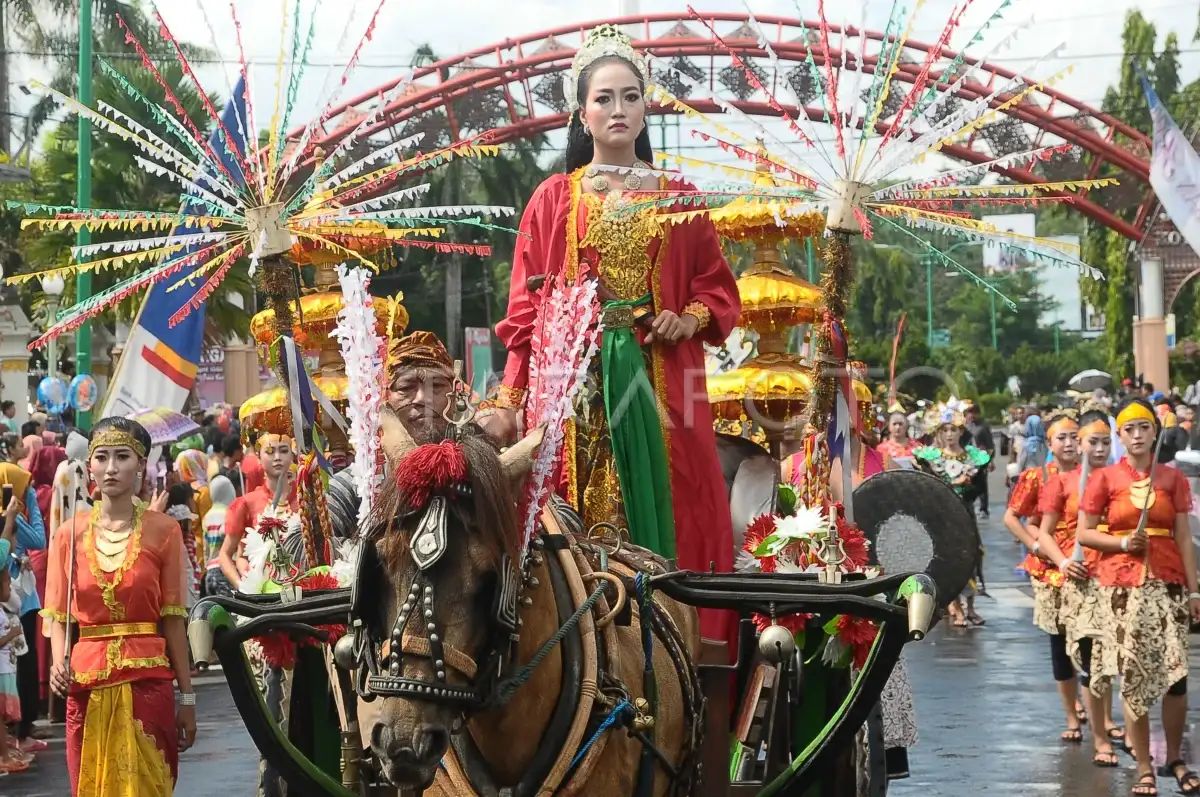
KBRN, Jakarta: Ratu Kalinyamat, or Queen Kalinyamat, is a celebrated Indonesian heroine who significantly contributed to warfare and the arts. The Indonesian government officially declared the queen a national hero on November 10, 2023.
Queen Kalinyamat, also known as Retno Kencono, was a formidable warrior from Jepara, Central Java. As the daughter of Sultan Trenggono, the ruler of Demak, she inherited a legacy of courage and leadership. According to the Jepara District Public Information Service, her story began in 1536.
Sultan Trenggono bestowed the title of Adipati (Duke) of Jepara upon his daughter, Retno Kencono. Her husband, Prince Hadiri, son of Sultan Ibrahim of the Aceh Empire, assisted her in governing the region.
However, Sultan Trenggono's death in 1546 disrupted the peaceful succession, resulting in a power struggle within the Demak kingdom.
Four years later, another conflict erupted in Demak. Prince Hadiri was tragically killed by Aryo Penangsang in 1549 during the struggle for the Demak throne. Grieving the loss of her loved ones, Queen Retno Kencono withdrew from the palace life and retreated to the Danaraja hills for meditation.
Following the defeat and death of Aryo Penangsang by Sutowijoyo, Queen Retno Kencono emerged from seclusion and was crowned as the ruler of Jepara, taking the title Nimas Ratu Kalinyamat. Her coronation on April 10, 1549, marked the birth of the city of Jepara, now located in Central Java.
- Jepara's Rise under Queen Kalinyamat
Under Queen Kalinyamat's rule from 1549 to 1679, Jepara flourished as a major trading port on Java, facilitating exports and imports. Renowned for her patriotism and anti-colonial sentiments, Queen Kalinyamat sent her fleet to attack the Portuguese in Malacca in 1551 and 1574.
The Portuguese feared her so much that they nicknamed her "Rainha de Jepara" (Queen of Jepara) and "Senora De Rica" (Rich Lady), acknowledging her power and wealth.
Her daring attacks involved nearly 40 ships and 5,000 soldiers. Although her initial attempt to besiege the Portuguese fort in Malacca failed, her unwavering spirit continued to inspire her people.
- The Culmination of Resistance
Undeterred by her earlier defeat, Queen Kalinyamat launched another massive attack on Malacca in October 1574, sending 300 ships, including 80 large junks, carrying 15,000 elite soldiers.
The months-long battle, though ultimately unsuccessful in driving the Portuguese out of Malacca, significantly weakened their position.
Queen Kalinyamat's relentless resistance played a pivotal role in freeing Java from Portuguese colonial rule in the 16th century. A testament to her bravery, a cemetery for Javanese soldiers can still be found in Malacca today.
- Legacy in Arts and Culture
Beyond her military achievements, Queen Kalinyamat is also credited with promoting the art of woodcarving, which has become a hallmark of Jepara's economy. Combining the traditional Javanese style with Chinese influences from Patih Badarduwung (Chi Hui Gwan), she fostered a unique and enduring art form.
Queen Kalinyamat passed away in 1579 and was buried in Mantingan village, Jepara, alongside her husband, Prince Hadiri. Her legacy as a courageous warrior, skilled ruler, and patron of the arts continues to inspire Indonesians for generations. ***
News Recomendation
Loading latest news.....