



SEAblings Digital Solidarity Sparks Boycott of Korean Cultural Product
- 20 Feb 2026 16:52 WIB
- Voice of Indonesia
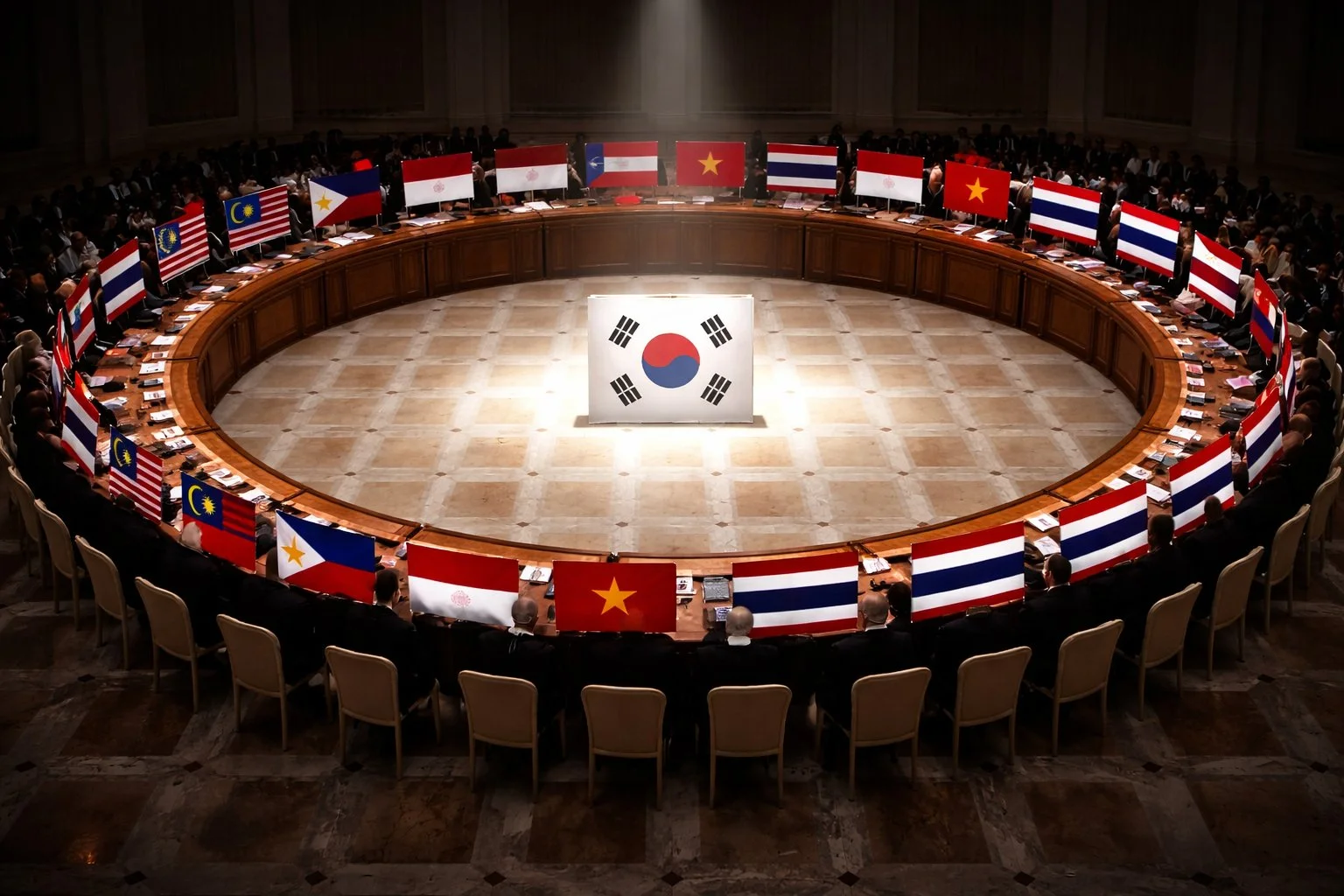
RRI.CO.ID, Jakarta - A grassroots digital movement known as “SEAblings”, a portmanteau of Southeast Asia and siblings, has rapidly evolved from an online solidarity campaign into a sweeping boycott of South Korean cultural products.
Netizens from Indonesia, Malaysia, the Philippines, and Thailand have united to push back against online harassment from South Korean netizens (KNetz) following a controversy at a DAY6 concert in Kuala Lumpur that quickly went viral of social media.
The dispute began on January 31, 2026, when several Korean fansite operators violated venue rules at Axiata Arena by bringing prohibited professional cameras and obstructing local fans’ views.
When Malaysian fans raised concerns, the fansite owners reportedly responded with arrogance, sparking retaliation from KNetz who escalated the conflict with racial slurs, economic insults, and demeaning remarks about Southeast Asians’ appearance and culture.
As tensions grew, KNetz mocked Indonesian actor Baskara Mahendra and ridiculed the girl group No Na for featuring rice fields in a music video. In response, Southeast Asian netizens rallied under the #SEAblings tag, declaring themselves “one family” and countering the attacks with humor, memes, and coordinated campaigns.
The movement has now expanded into financial retaliation. Netizens have downrated Korean content on Netflix, issued one-star reviews for major tourist landmarks, and pledged to boycott K-pop concerts, dramas, and products. This action carries weight: Indonesia alone represents the largest global market for K-pop, far surpassing other countries.
Prominent Indonesian academic Rhenald Kasali analyzed the phenomenon, noting that South Korea often seeks validation from Western collaborations while dismissing Southeast Asia.
“They mock us as a ‘nation of farmers’ and belittle our skin color, education, and economy. Yet ASEAN is the backbone of the global economy. If K-pop isn’t careful, it will collapse under its own arrogance,” he warned.
Social media voices have echoed this sentiment. Some urged fans to stop financially supporting those who insult them, while others clarified that criticism of KNetz does not equate to hatred of K-pop itself. “Liking K-pop doesn’t mean their citizens can look down on Indonesia,” one user wrote in a post that drew 25,000 likes.
Ultimately, the SEAblings movement has become more than a defense of fandom; it is a collective stand against racism and disrespect. As the digital feud continues, it underscores a broader lesson: cultural soft power cannot thrive without mutual respect and basic civility in an interconnected world. ***
News Recomendation
Loading latest news.....