



Endangered, These Six Indonesian Primates Must Be Protected
- 30 Jan 2025 14:04 WIB
- Voice of Indonesia

KBRN, Jakarta: Indonesia, renowned for its rich biodiversity, is home to a diverse array of primate species. Indonesian forests harbor unique and rare primates from the Sabang at the westernmost tip of Sumatra to the Merauke at the easternmost reaches of Papua.
However, many species face serious threats due to habitat loss and illegal hunting.
In commemorating International Primate Day on January 30th, let's explore six of Indonesia's endemic primates under special protection, as summarized by rri.co.id.
1. Javan Langur
The Javan langur (Trachypithecus auratus) is an endemic primate found only on the island of Java and small parts of Bali.
This arboreal primate inhabits tropical rainforests, mangroves, and mountainous areas. It is known for its dense, blackish-brown fur and golden-orange hues.
Its population is threatened by habitat conversion for plantations and hunting.
As a result, this species is listed as "Vulnerable" on the International Union for Conservation of Nature (IUCN) Red List and is protected under Indonesian law.
2. Tapanuli Orangutan
The Tapanuli orangutan, a remarkably rare primate, was scientifically identified as a new species 2017.
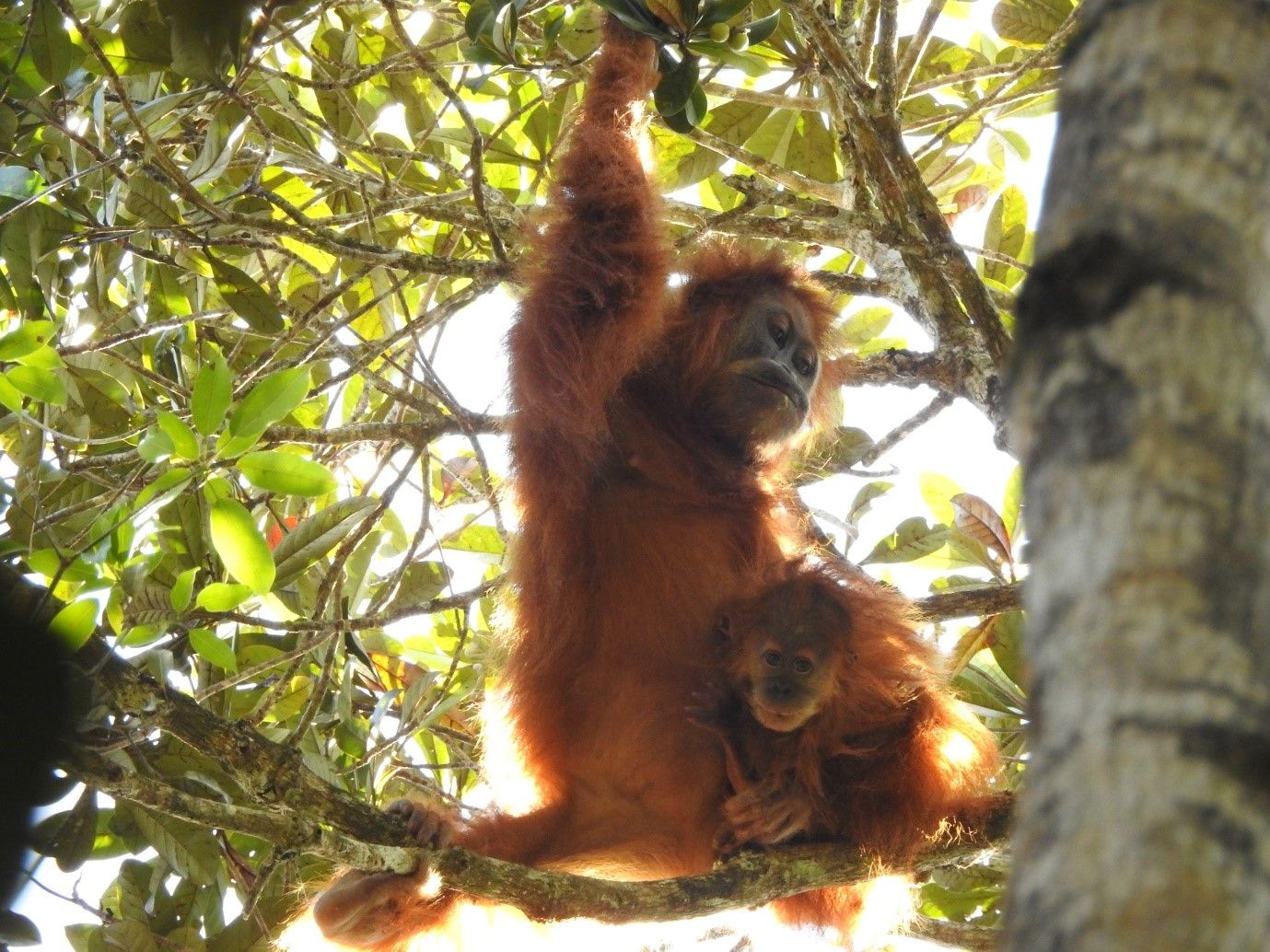
A baby tapanuli orangutan with its mother. (Photo: Forestry Ministry Natural Resources and Ecosystem Conservation Directorate General)
Endemic to the Batang Toru region of North Sumatra, this species has a population of less than 800 individuals, making it the world's most critically endangered great ape.
3. The Javan Slow Loris
The Javan slow loris (Nycticebus javanicus) is a small primate known for its adorable face and large, captivating eyes.
Endemic to Java, this nocturnal primate inhabits tropical rainforests, bamboo forests, and even plantations.
A unique feature of the Javan slow loris is a gland on its arm that produces a toxin for self-defense.
Being slow-moving and arboreal, it spends most of its time in trees, feeding on leaves, fruits, and flowers.
Unfortunately, the Javan slow loris is frequently targeted by the illegal pet trade, while habitat loss due to deforestation exacerbates its conservation status.
4. Sangihe Tarsier
The Sangihe tarsier is a small, endemic primate found only on the Sangihe Islands, North Sulawesi.
This nocturnal primate, characterized by its large, round eyes, typically lives in small groups within primary and secondary forests.
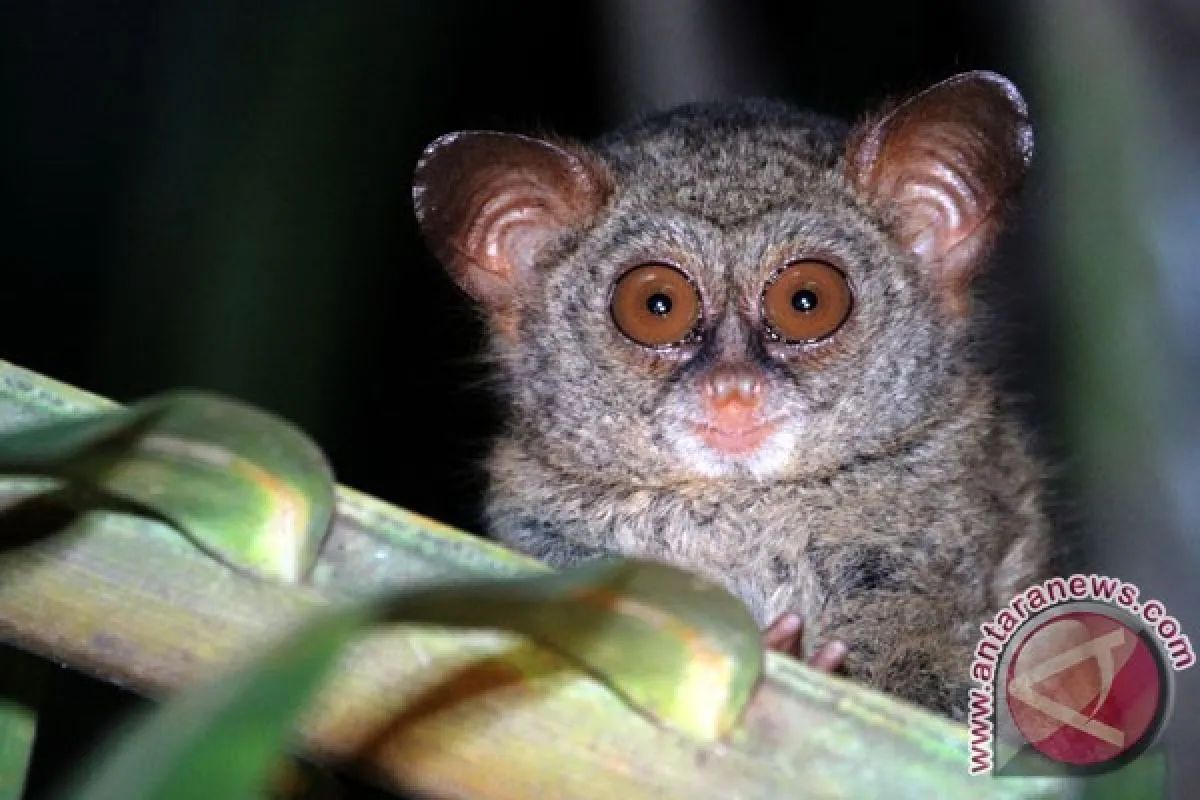
Sangihe Tarsier. (Photo: Antara)
Primarily insectivorous, the Sangihe tarsier faces threats from deforestation due to agricultural expansion and other human activities.
Despite these challenges, conservation efforts are ongoing, including habitat protection and public awareness campaigns.
5. East Sumatran Banded Langur
The East Sumatran banded langur is an endemic primate species in Sumatra, known for its unique characteristics.
These primates live in groups in lowland and hilly forests, primarily feeding on young leaves.
Due to extensive deforestation, especially for oil palm plantations, the East Sumatran banded langur is now classified as critically endangered.
6. Proboscis Monkey
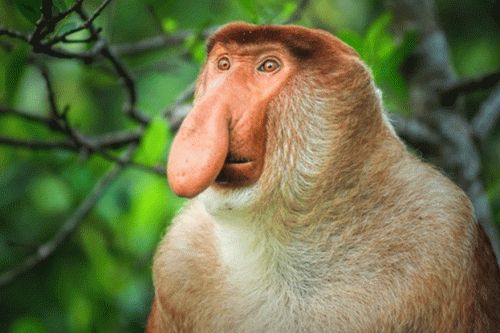
Proboscis monkeys are distributed and endemic to the mangroves, swamps, and coastal forests of the Borneo island. (Photo: Fauna Indonesia/Indonesia.go.id)
The proboscis monkey, a unique primate easily recognizable by its large nose, is endemic to the mangrove forests, swamps, and riverbanks of Borneo.
Possessing exceptional swimming abilities due to its webbed feet, this species has unfortunately seen a decline in population due to habitat conversion, primarily for oil palm plantations. ***
News Recomendation
Loading latest news.....