



"Telolet" rhythmic bus horns, when entertainment and danger collide
- 01 Nov 2024 11:35 WIB
- Voice of Indonesia
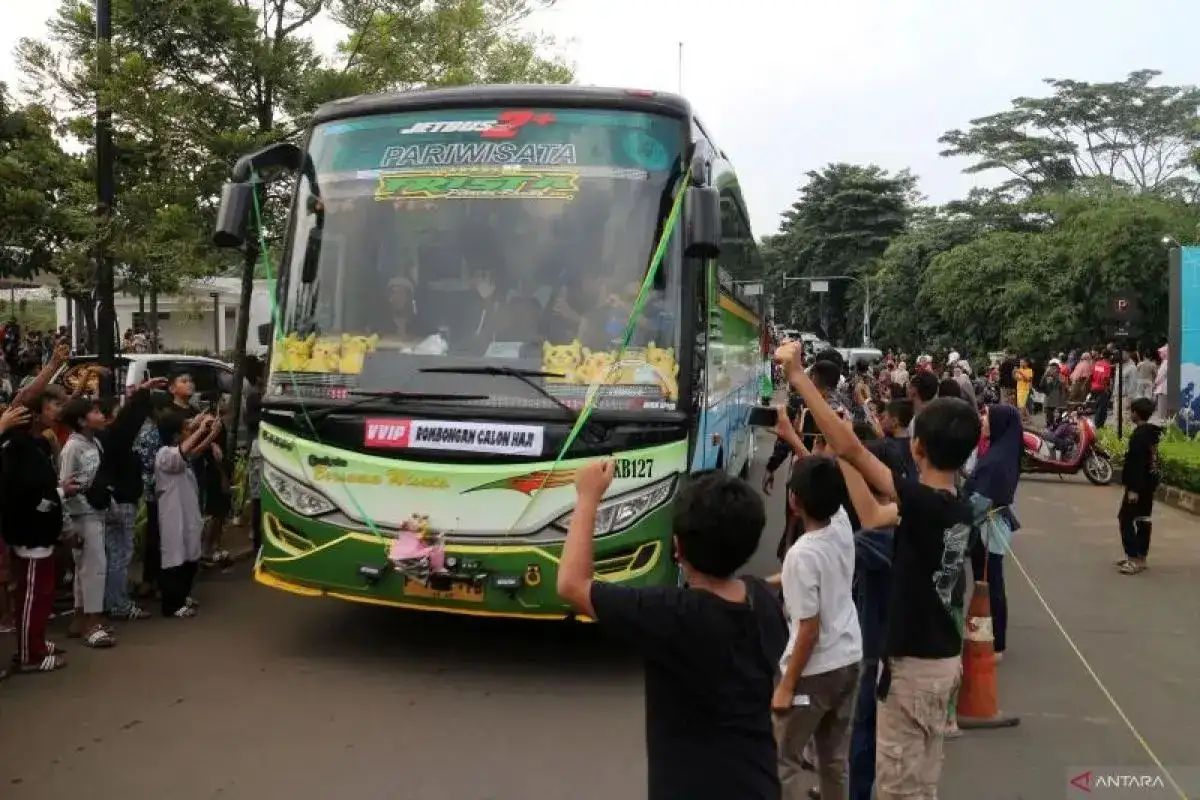
KBRN, Yogyakarta: The "telolet" bus horn phenomenon has been a popular trend in Indonesia. People, especially children, would wait excitedly by roadsides for buses to pass and honk their horns, often unaware of the potential dangers.
The term 'telolet" itself refers to the name of the sound of vintage bus horns. Nowadays, the sound has been modified into more rhythmic tones, to attract people's attention.
Telolet horns started to gain popularity in 2016, along with the famous phrase of "Om telolet, Om" (Uncle, honk the telolet, Uncle). Both went quite viral in social media that time, especially among schoolchildren.
Children deliberately gathered on roadsides, shouting passing by bus drivers with "Om telolet, Om", expecting that the drivers would honk the dynamic, musical rhythm of their bus horns.
Once the awaited songs were heard, the children would use their cellphones to record the moment. Some children also rode bicycles, cycling alongside the moving bus.
The more crowds waiting for the bus, the more excited the bus drivers seem to honk their respective signature horns.
However, some bus drivers sometimes did not give the expected response, making the horn hunting game more interesting and challenging.
This attracted netizens that they began uploading videos capturing their respective versions of telolet horn hunting activities, leading to massive posts of this phenomenon on social media.
Unfortunately, this carries danger. There have been news reports of children being hit by a bus while recording the bus as it honks the horn.
What is even concerning is that a video recording the incident went viral on social media.
A footage uploaded by Instagram account @memomedsos shows a bus running while honking its musical horn. Some children are seen cycling along with the bus while recording using their cellphone cameras.
One of the children, however, seemed to lose balance that he fell right in front of the bus and was hit by the bus. Although the child survived and only suffered minor injuries, the incident added to the list of victims of telolet buses in the streets.
“Hopefully, the police and the transportation agency will take action quickly because this telolet horn trend is increasingly dangerous,” said transportation observer Djoko Setiowarno in a statement received by RRI.
Djoko also regretted that telolet buses were still allowed to operate. “There have been many victims. We have been warned repeatedly, but they are still there,” said Djoko, urging that bus drivers whose buses still have telolet horns were sanctioned.
Telolet horns have been banned in several areas, including in Tangerang (Banten), Solo (Central Java), and Bandung (West Java), mostly because this particular kind of horns were considered disturbing security and order.
According to the official website of the Transportation Ministry's Directorate General of Land Transportation, the regulation regarding the use of horns only stipulate that the lowest horn sound is 83 decibels, while the highest is 118 decibels. Violators are subject to a fine of Rp. 500.000. ***
News Recomendation
Loading latest news.....