



Gen Z Seeks Meaningful Travel, Pushing Indonesia Toward Experiential Tourism
- 28 Sep 2026 19:14 WIB
- Voice of Indonesia
Key Points
- Gen Z seeks meaningful travel experiences, prompting tourism businesses to rethink conventional tour packages.
- The Ministry of Tourism is encouraging travel agencies to develop interactive activities such as walking tours and cultural workshops.
- Experiential tourism aims to transform Indonesia’s natural and cultural assets into immersive experiences that tourists can directly engage with.
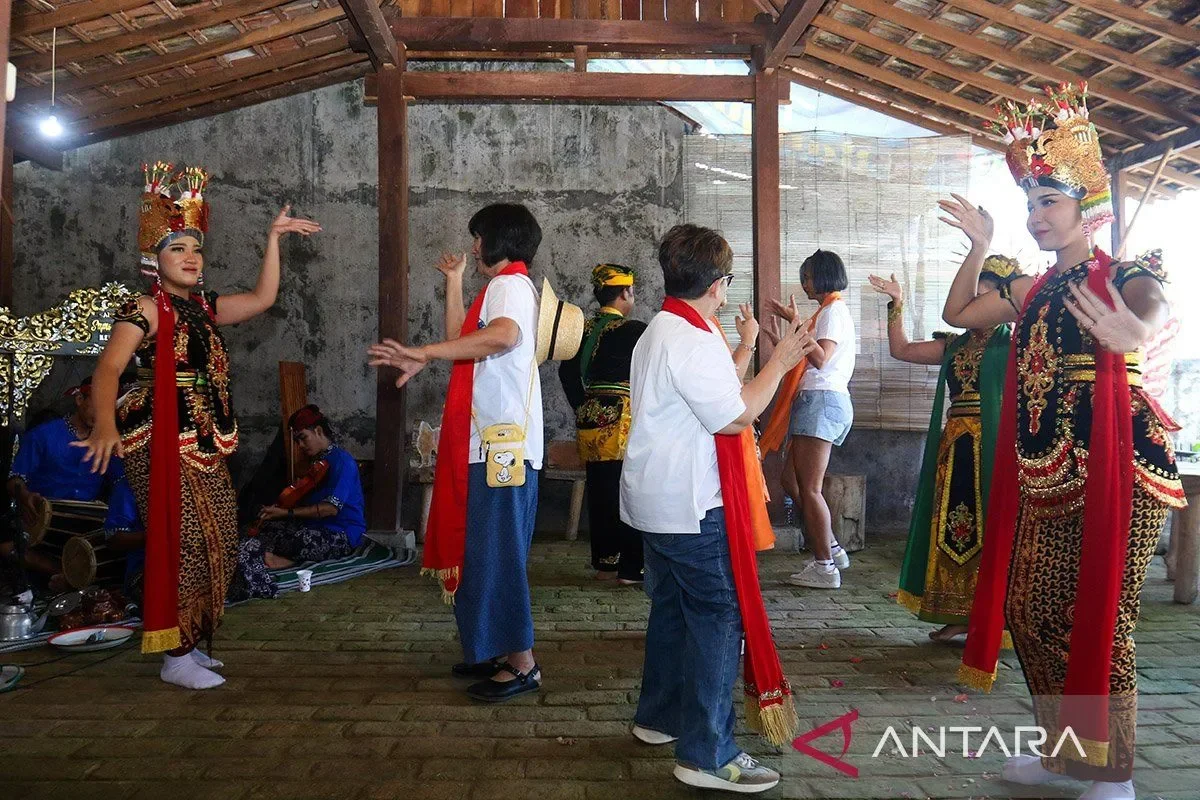
RRI.CO.ID, Jakarta - Shifting preferences among Gen Z travelers, who are increasingly in pursuit of meaningful experiences, are forcing tourism industry players to rethink their strategies. The Ministry of Tourism is urging travel agencies to modify conventional tour packages into interactive activities, such as walking tours and cultural workshops, to attract the young traveler market.
Deputy for Marketing at the Ministry of Tourism, Ni Made Ayu Marthini, said this trend is driving destinations to develop tourism based on natural and cultural potential. The aim is to transform local wealth into experiences that tourists can directly feel.
“Gen Z, in particular, are looking for meaning. When they travel, it has to mean something. That transforms into the kind of experience they want to achieve,” said Made in Jakarta on Monday, September 28, 2026.
She said the shift in interest is evident in how young travelers enjoy a destination. Ayu Marthini cited the example of mountain hiking, Gen Z is not only focused on reaching the summit but is also interested in following attractions or seeing interesting things along the journey.
According to her, Indonesia has rich potential to be developed into experience-based tour packages. However, the biggest challenge is translating that potential into actions that can deliver meaningful experiences for tourists.
Experiential tourism is one effort to realize increasingly high-quality Indonesian tourism. Its implementation needs to integrate three components, such as respect for culture, nature, and human connection.
Since last year, the Ministry of Tourism has begun managing experiential tourism through three lines: gastronomy, fitness, and marine tourism. This year, two new lines are being developed, such as wastra (traditional textiles) tourism and art and culture tourism.
Made said Indonesia’s wastra wealth can be further developed as part of experiential tourism. She cited Pekalongan in Central Java, which has been part of the United Nations Educational, Scientific and Cultural Organization (UNESCO) Creative Cities Network in the Crafts and Folk Art category since December 1, 2014.
She assessed that wastra can be introduced to tourists through various interactive activities packaged in engaging ways. With this approach, tourists do not only see the end product but can also gain a deeper understanding of this cultural wealth.
Meanwhile, for art and culture tourism, Made noted that Indonesia’s abundant cultural wealth is still not being optimally utilized by tourism stakeholders. Therefore, Made is encouraging tourism players to create more attractive tour packages, including by leveraging the growing trend of walking tourism.
Industry players are also being urged to offer varied tour packages that can help prevent mass tourism, as tourists can be dispersed across various destinations rather than concentrated in one particular location.
“Walking tours are excellent and are currently trending. For instance, by combining art and culture, textile tourism, and marine tourism with these walks, Indonesia becomes highly appealing and offers a truly immersive experience. The more creative, engaging, and unique the offering, the more it appeals to today’s travelers,” said Made, as quoted by Antara.
CEO of Werkudara Group, Fadli Fahmi Ali, said Indonesia’s natural and cultural assets require several stages before they can become something valuable as a tourism experience. He explained that the process can begin with research into the strengths of the asset, such as the stories, figures behind cultural assets, or the meanings they hold.
The research results are then used to design activities that can attract tourists to experience the asset themselves. “Value consists of several layers. So, we have to design various layers to create value from an asset, from the object itself, the person, the tradition, and so on,” said Fadli. ***
News Recomendation
Loading latest news.....